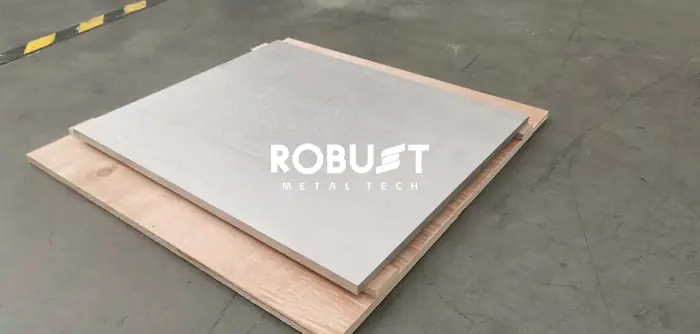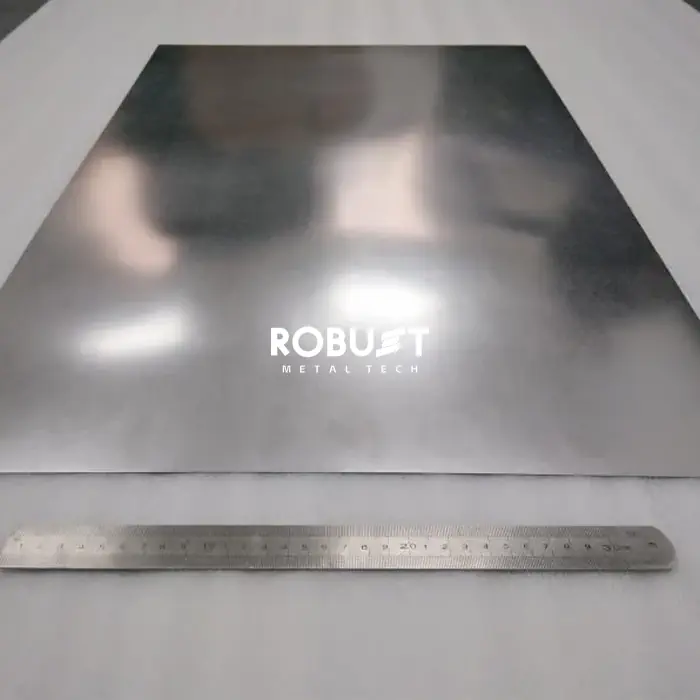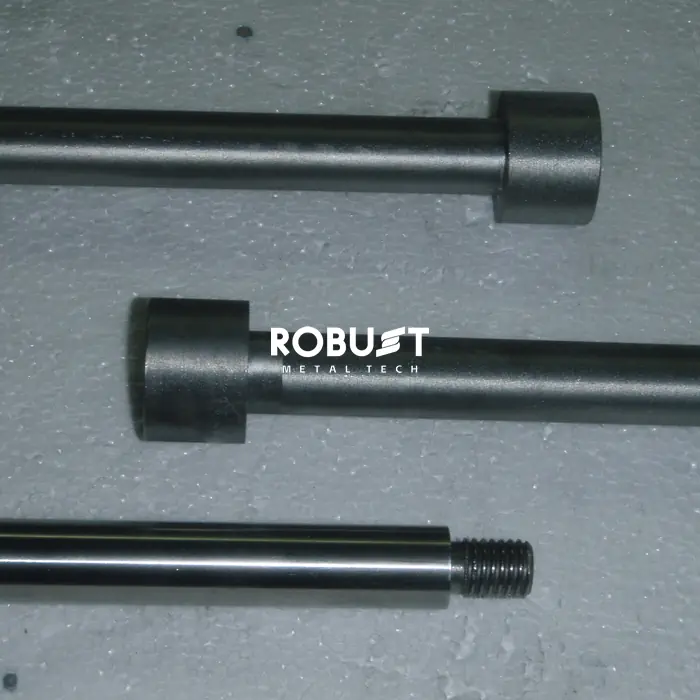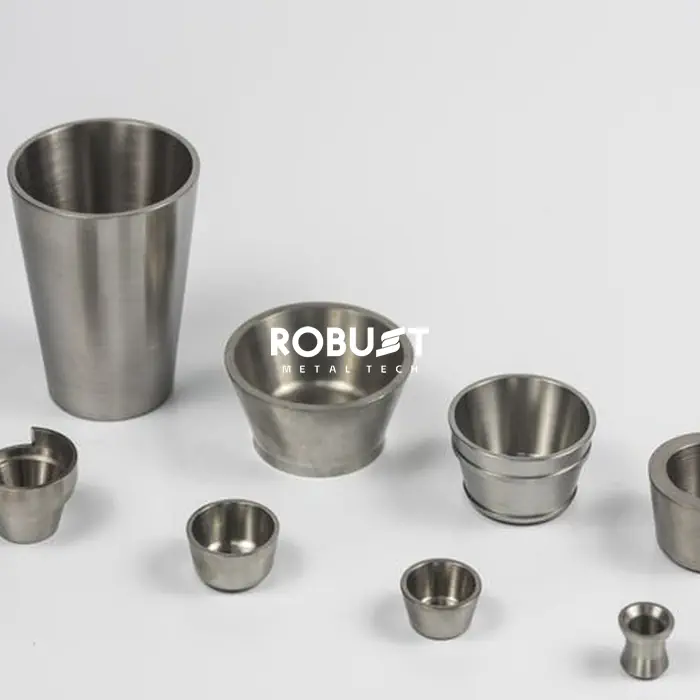
High-temperature equipment places demands on metals that ordinary materials may not withstand. Depending on operating temperature, atmosphere and chemical exposure, a component may need thermal stability, corrosion resistance, strength or a workable combination of these properties. This guide compares five metals identified in the supplied source material: tungsten, molybdenum, titanium, tantalum and niobium.
How the Five Metals Differ
Tungsten: Stability at Extreme Temperatures
Tungsten has a melting point of 3,422°C and is used where components must retain their form under extreme thermal stress. The supplied material identifies furnace heating elements, heat shields and aerospace components among its applications.
Molybdenum: Thermal Performance with Lower Weight Than Tungsten
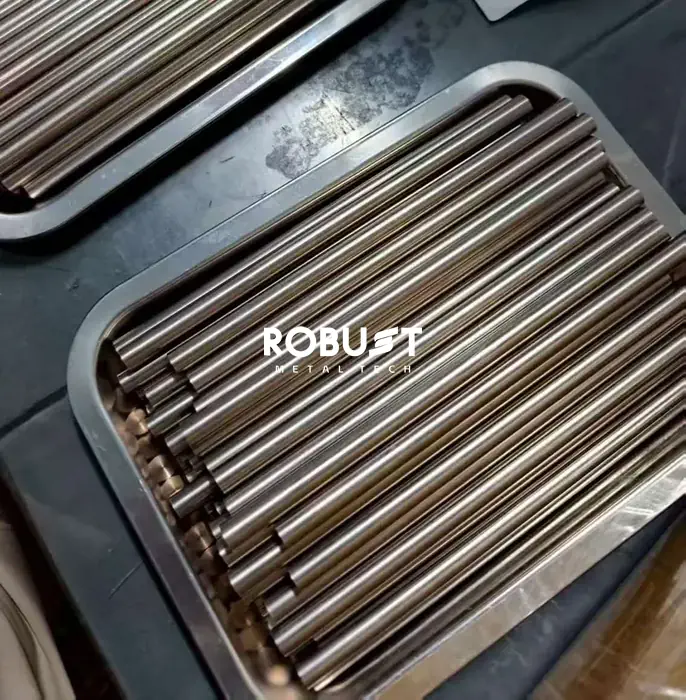
Molybdenum offers high thermal conductivity and is lighter than tungsten. The source identifies vacuum furnaces, glass-melting equipment and semiconductor tools as application areas for molybdenum components.
Titanium: Strength-to-Weight Balance for Medium-High Temperatures
Titanium is described in the supplied article as a material for medium-high temperature conditions where a combination of low weight, strength and corrosion resistance is important. It should be evaluated against the actual service temperature rather than treated as a direct substitute for tungsten or molybdenum in every extreme-heat application.
Tantalum: High-Temperature and Chemical Resistance
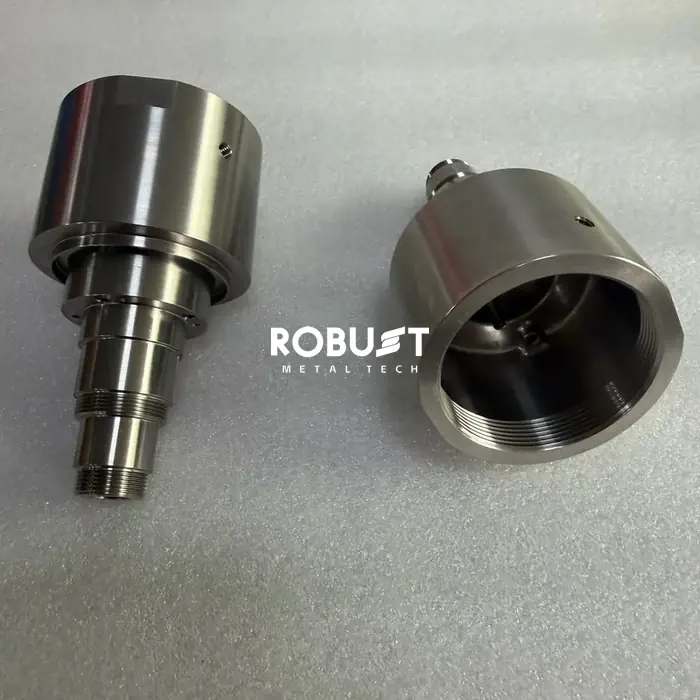
Tantalum combines a high melting point with strong resistance to many aggressive chemical environments. The supplied material points to chemical reactors and heat exchangers as applications where both heat and chemical exposure need to be considered.
Niobium: High-Temperature Strength and Formability
Niobium is described as retaining strength at elevated temperatures while remaining formable. The source identifies jet engines, specialized lighting systems and selected metal alloys as application areas.
Match the Material to the Service Conditions
The material name alone is not enough to select a component. Before choosing a heat-resistant metal, confirm the operating temperature, surrounding atmosphere, chemical exposure, mechanical load, required geometry and dimensional tolerances. These factors help determine whether the priority is extreme-temperature stability, thermal conductivity, corrosion resistance or a balance of weight and strength.
Custom Processing for High-Temperature Components
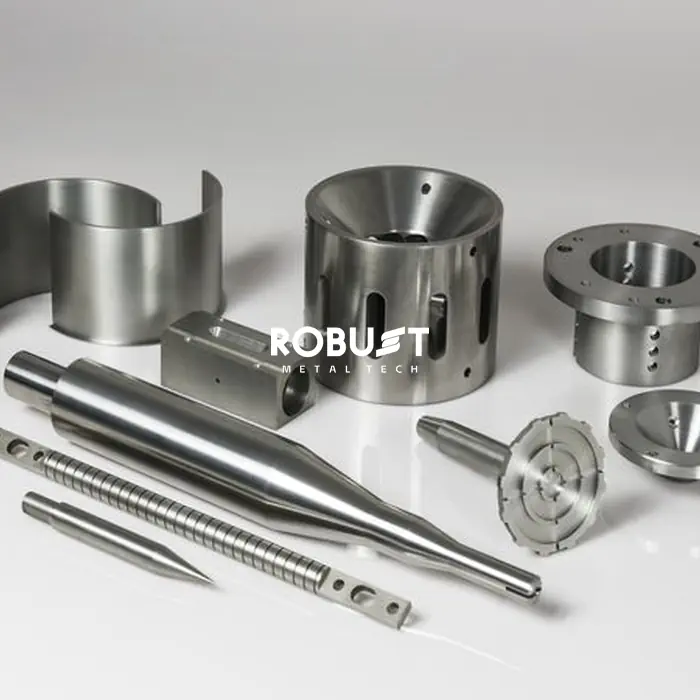
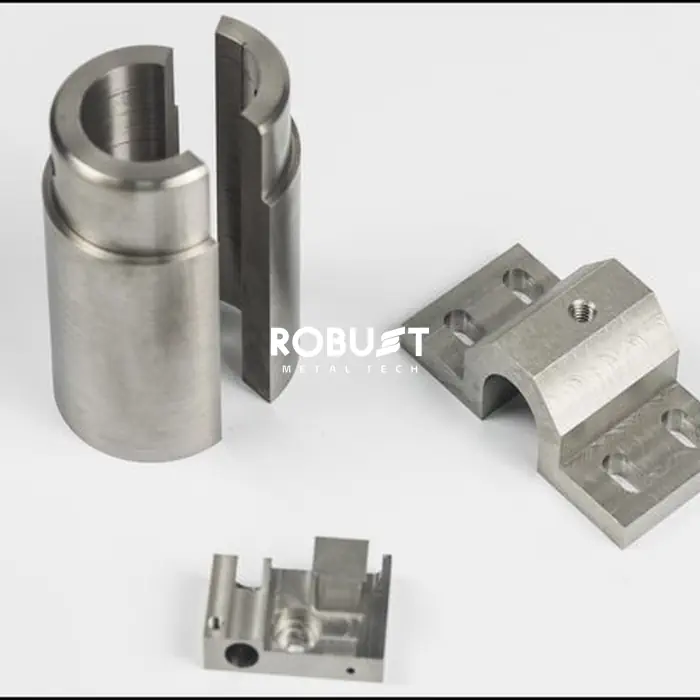
The supplied technical notes highlight that tungsten and molybdenum can be difficult to machine without suitable tooling and process control. Poor cutting methods may create small surface cracks that can grow under thermal stress. Depending on the part geometry, custom processing may involve cutting, drilling, bending and polishing, together with attention to surface finish and dimensional control.
ROBUST works with tungsten, molybdenum, titanium, tantalum and niobium materials and custom components. Explore the tungsten, molybdenum and titanium product ranges, or send your drawing and operating requirements through the project inquiry page.