 View Product ↗
01
Product Description
Technical details, material information and manufacturing notes for this product.
1. Common Types of Fasteners We Supply
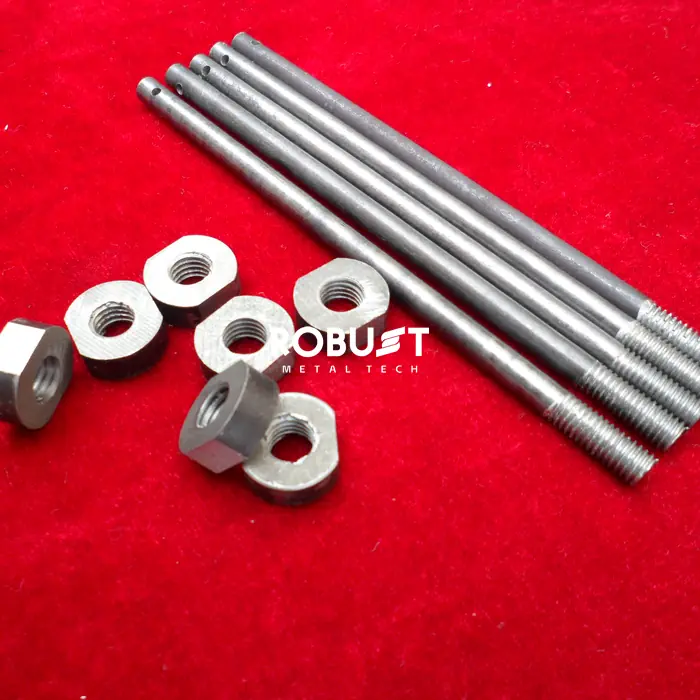
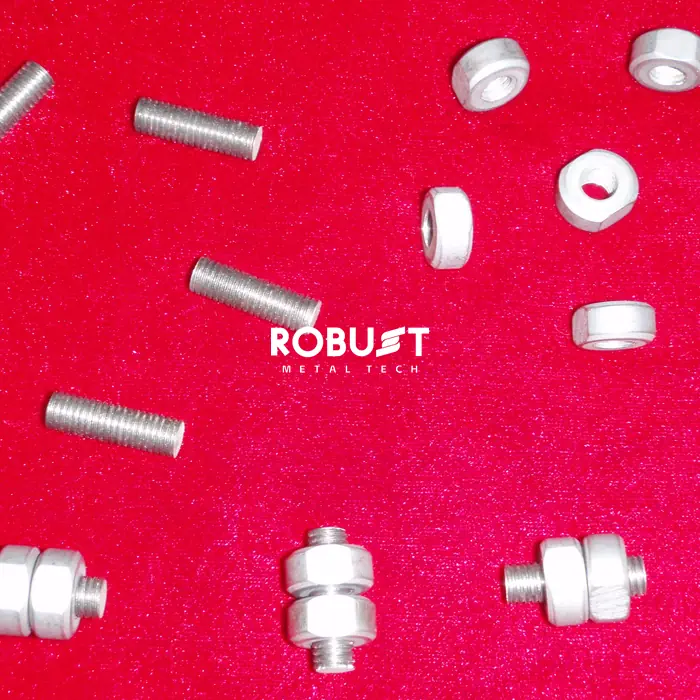
Hex Bolts & Cap Screws: The primary choice for structural assembly in vacuum furnaces.
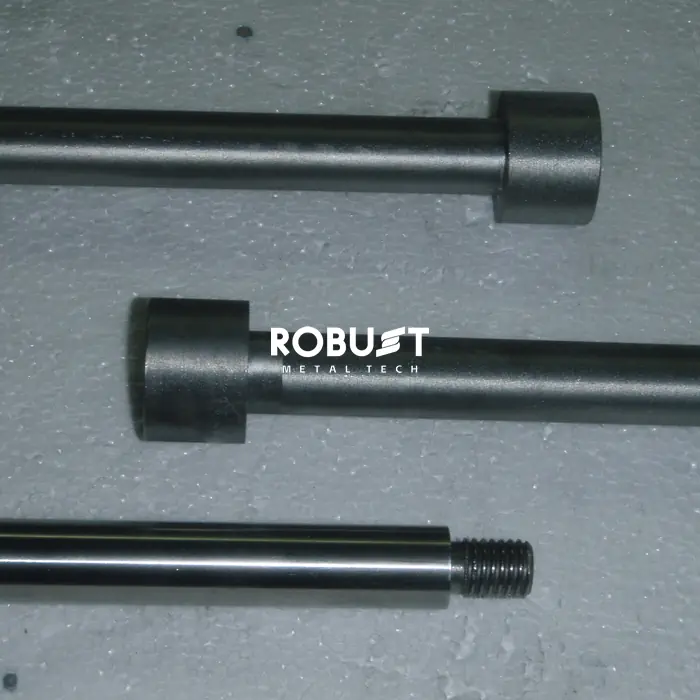
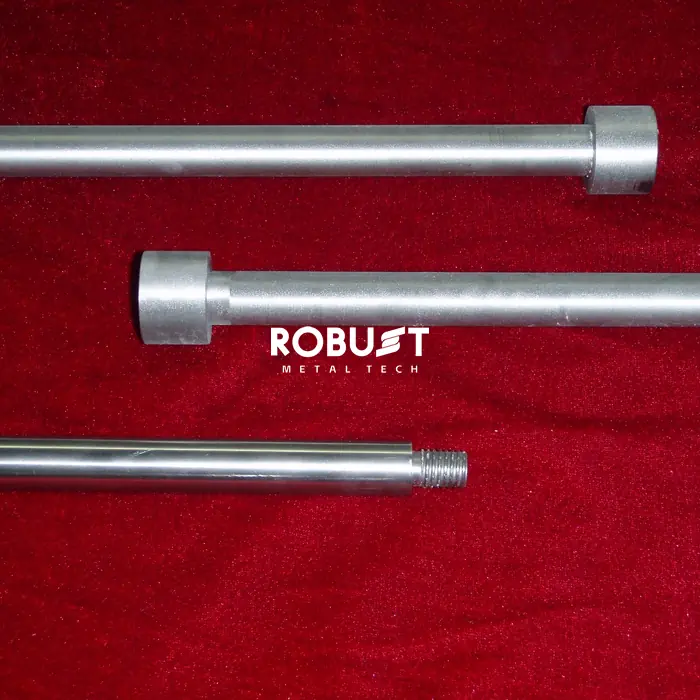
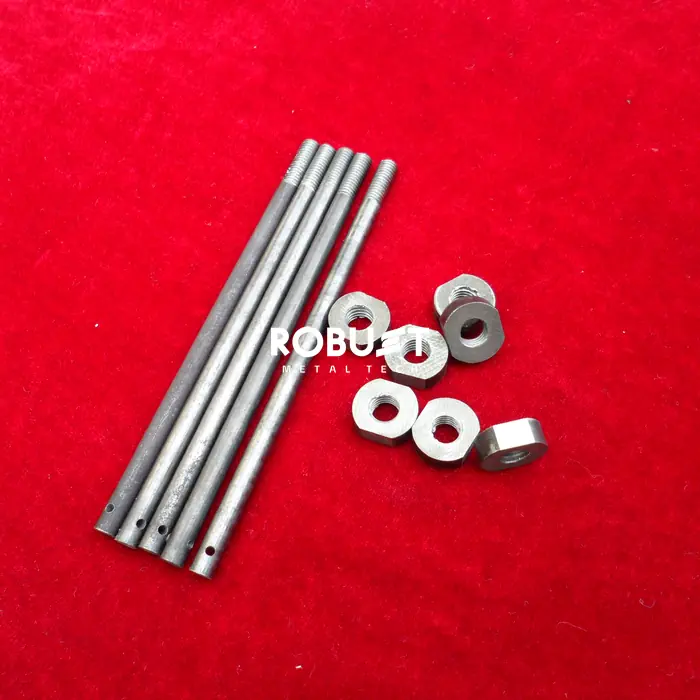
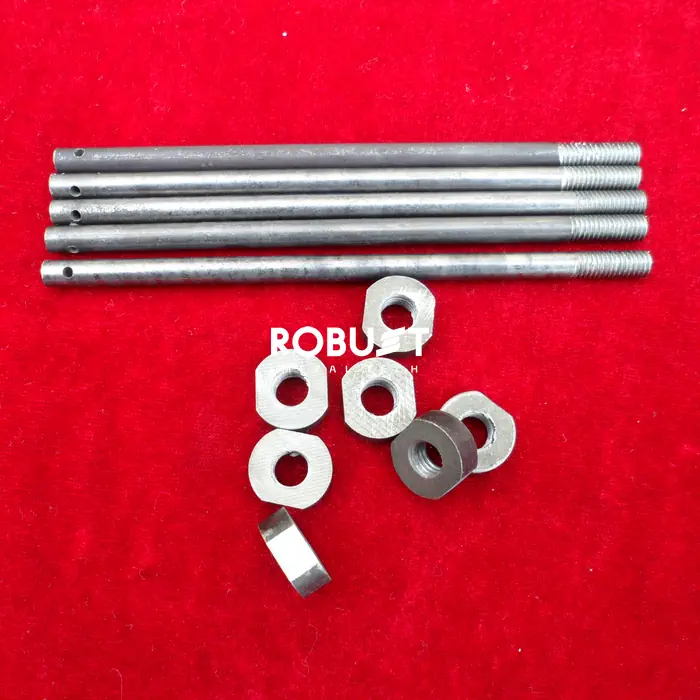
Threaded Rods: Frequently used to hang heat shields or create custom-length support structures.
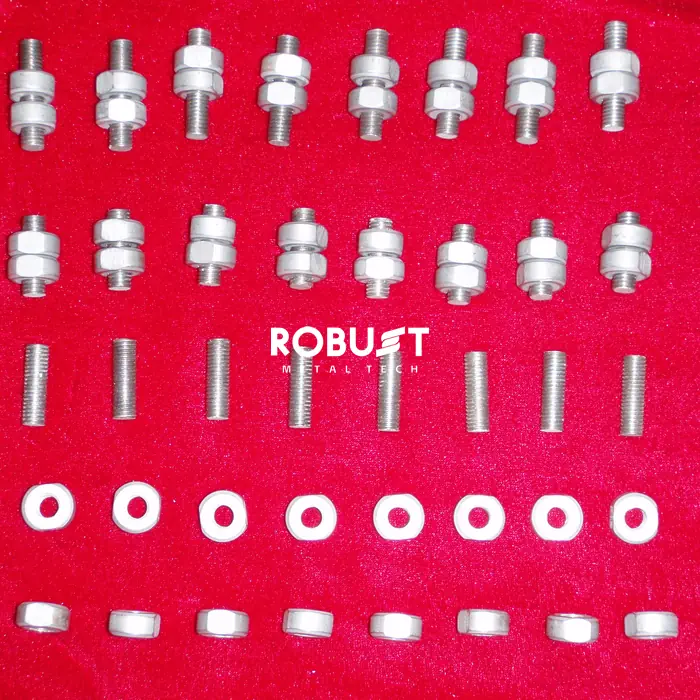
Hex Nuts & Square Nuts: Usually paired with washers to distribute load across brittle Molybdenum Plates.
Grub Screws / Set Screws: Often used to secure molybdenum hooks or electrodes in place.
2. How to Choose Molybdenum Fasteners
A. Machined vs. Rolled Threads
Machined Threads: Cut into the rod. They are precise but can have "micro-tears" that lead to cracks under stress.
Rolled Threads: Formed by pressing the metal. This creates a superior grain flow, making the threads much stronger and less likely to shear off at high temperatures. Always prefer rolled threads for load-bearing parts.
B. Head Integrity
Molybdenum is notch-sensitive. If the transition between the bolt head and the shaft is a sharp 90-degree angle, it will snap.
Quality fasteners have a radiused fillet (a slight curve) under the head to distribute stress.
C. Metric vs. Imperial
While the US uses Imperial (1/4-20, etc.), the global vacuum furnace industry is heavily slanted toward Metric (M3 to M20).
Buyers should double-check their shielding hole patterns before ordering, as re-drilling a molybdenum plate in the field is nearly impossible without specialized bits.
3. Material Comparison for Fasteners
| Feature | Pure Molybdenum | TZM Alloy Fasteners |
| Typical Use | Light shielding, low stress. | High-vibration or heavy-load areas. |
| Torque Limit | Lower; prone to snapping if over-tightened. | Higher; better toughness. |
| Cost | Baseline. | ~30% higher. |
| Longevity | Good for static setups. | Better for parts that need frequent disassembly. |
04
Related Technical Resources
Material guides, application notes and manufacturing knowledge from ROBUST.
05