Stainless steel and molybdenum can both be good engineering materials, but they solve very different problems.
Stainless steel is usually the practical choice for general industrial equipment because it is widely available, corrosion resistant in many everyday environments and comparatively easy to fabricate.
Molybdenum becomes more relevant when the project involves very high temperature, vacuum service, low thermal expansion or a need for better dimensional stability under heat.
Temperature Performance: The Main Difference
Common stainless steels lose strength progressively as temperature rises, and the usable limit depends heavily on the exact grade, load, exposure time and atmosphere.
Molybdenum has a melting point of approximately 2,623°C and retains useful strength at temperatures far beyond the normal range of stainless steel.
This is why molybdenum materials are widely considered for vacuum furnaces, semiconductor equipment, heat shields and other thermal systems.
Operating Atmosphere Matters
High melting point does not mean molybdenum can simply replace stainless steel in every hot environment.
Molybdenum oxidizes rapidly in air once temperature rises to roughly 400°C and above. For sustained high-temperature service it is normally used in vacuum, inert gas or reducing atmospheres.
Stainless steel, by contrast, forms a chromium-rich oxide layer and is often the more practical option in oxidizing air or wet industrial environments, provided the selected grade is suitable for the actual temperature and chemicals involved.
Thermal Expansion and Heat Transfer
Molybdenum has much lower thermal expansion than common stainless steels. Components therefore change size less during heating and cooling cycles, which can help maintain alignment and dimensional stability.
It also conducts heat more effectively than stainless steel. This combination can be valuable in thermal assemblies, furnace structures, semiconductor fixtures and heat-management components.
Corrosion Resistance: There Is No Universal Winner
Stainless steel performs well in many atmospheric, water and mild chemical environments, but its corrosion resistance changes with grade, chloride level, temperature and process chemistry.
Molybdenum can perform well in selected molten-metal, molten-glass and high-temperature process environments, but it is not universally resistant to every acid, salt or oxidizing medium.
For corrosive service, material selection should be based on the actual chemical, concentration, temperature and exposure condition rather than on a general comparison alone.
Machining, Fabrication and Cost
Stainless steel is easier to source and normally less expensive to machine. It is therefore the sensible choice when the application does not require refractory-metal performance.
Molybdenum costs more and needs controlled machining methods, suitable tooling and careful handling of edges and thin sections.
For applications where stainless steel would distort, soften or require frequent replacement, the higher material and processing cost of molybdenum can still be justified by longer service life and better thermal stability.
When Should You Choose Each Material?
Choose Stainless Steel When
The operating temperature is moderate, the equipment works in air or wet environments, fabrication flexibility matters and total material cost is a major consideration.
Choose Molybdenum When
The application involves high-temperature vacuum or controlled atmosphere, low thermal expansion, strong dimensional stability or specialized thermal and electrical performance.
Custom Molybdenum Components from ROBUST
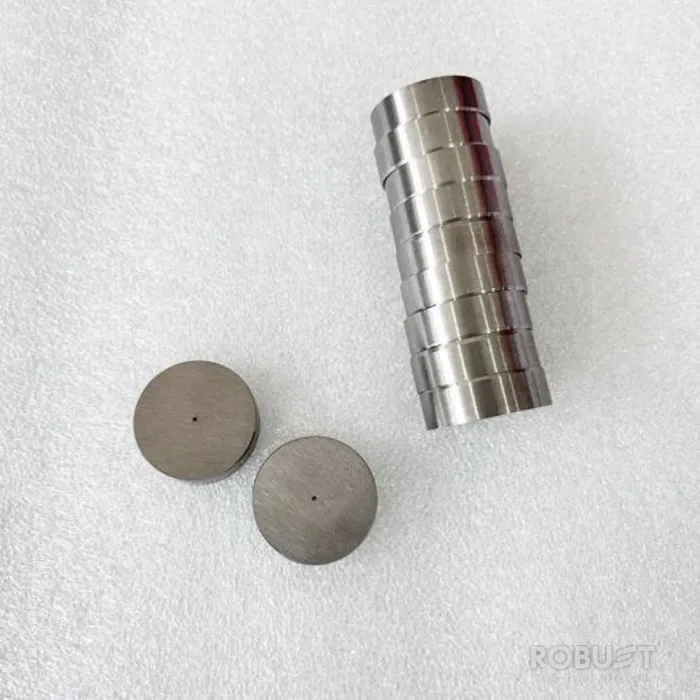
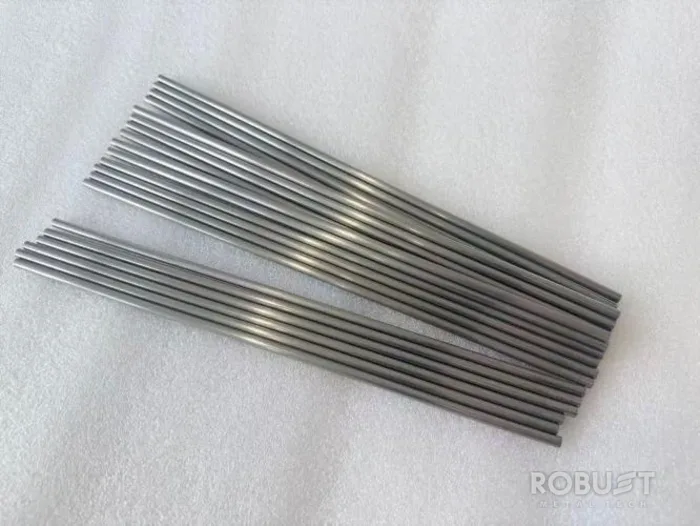
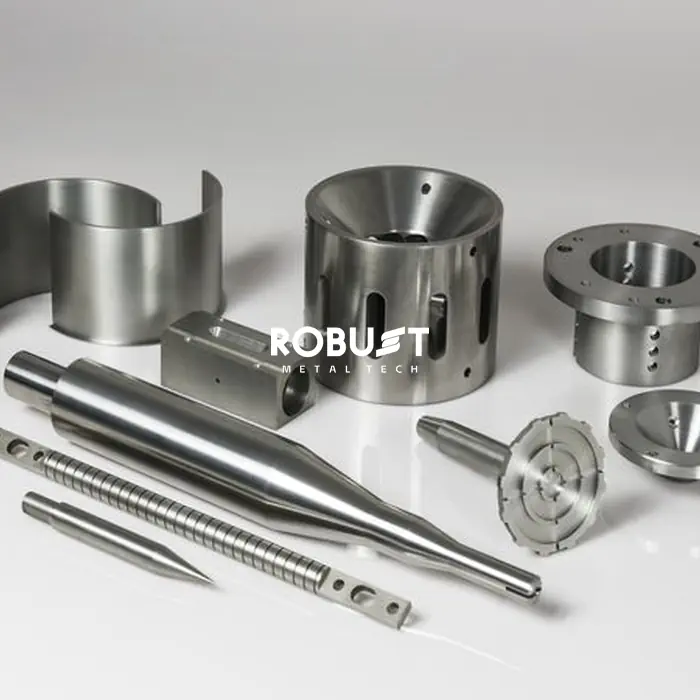
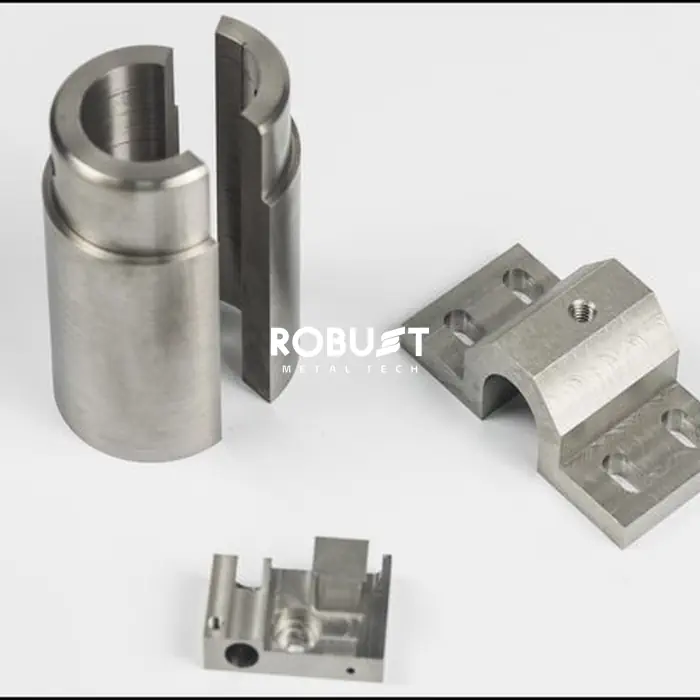
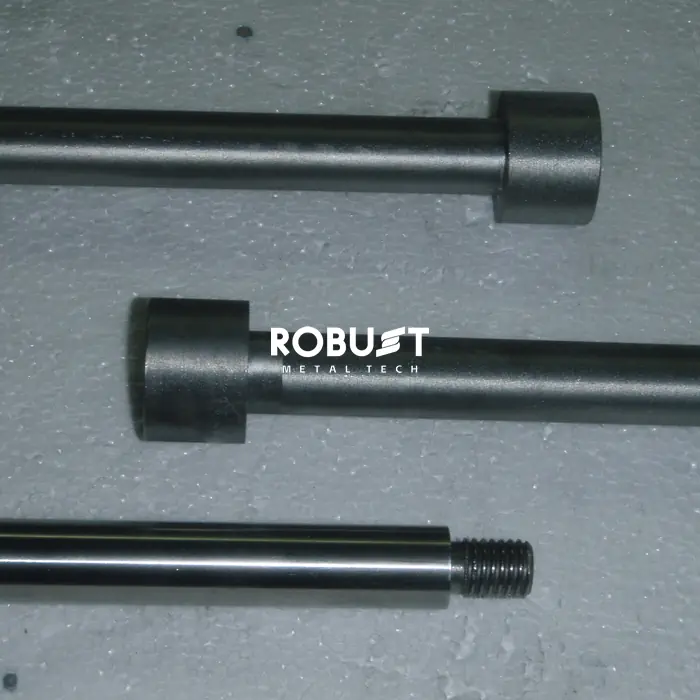
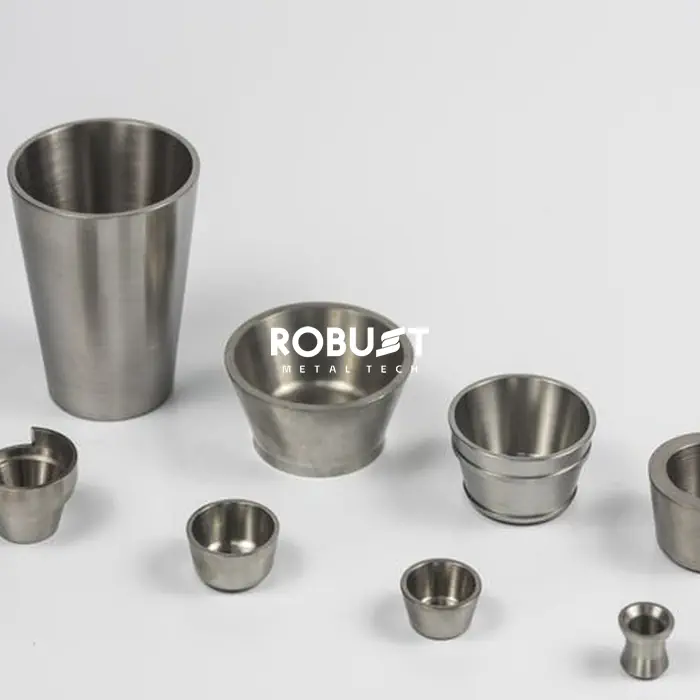
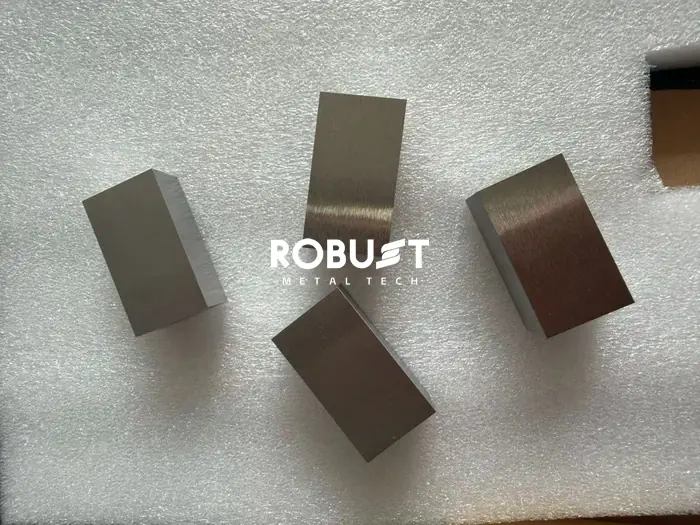
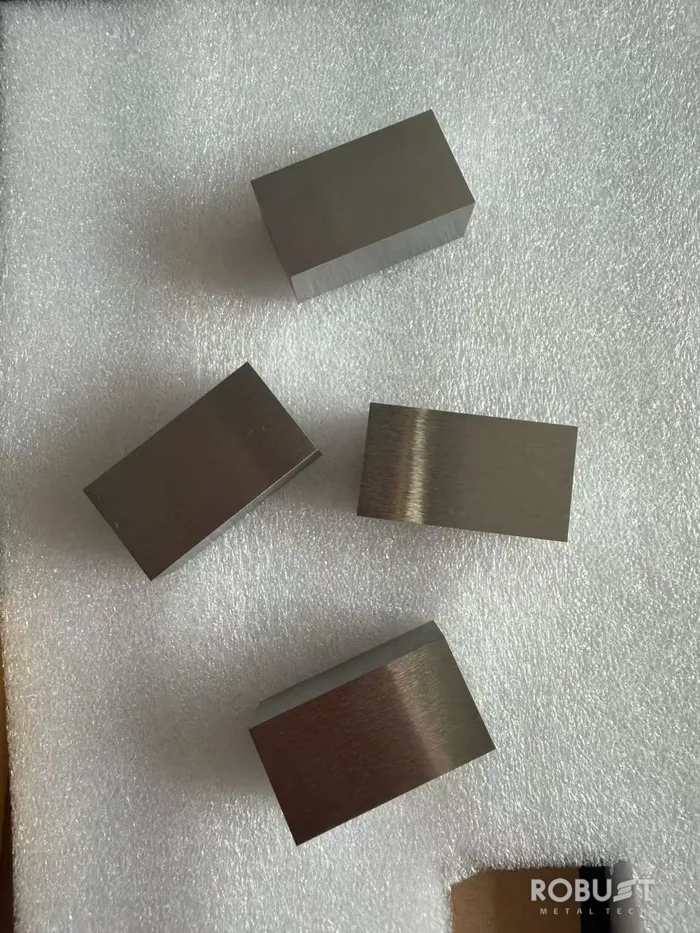
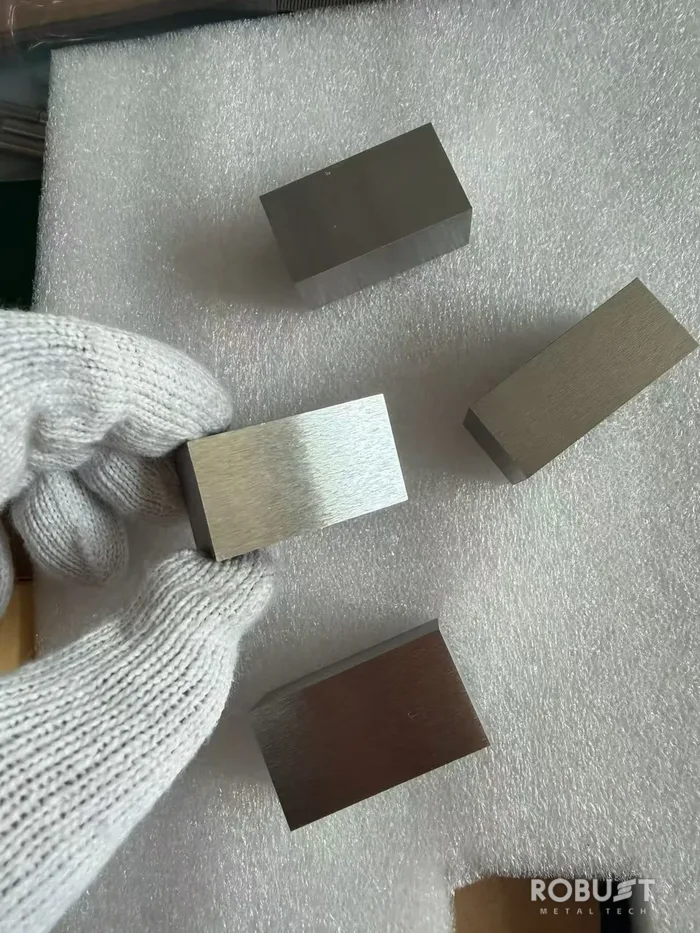
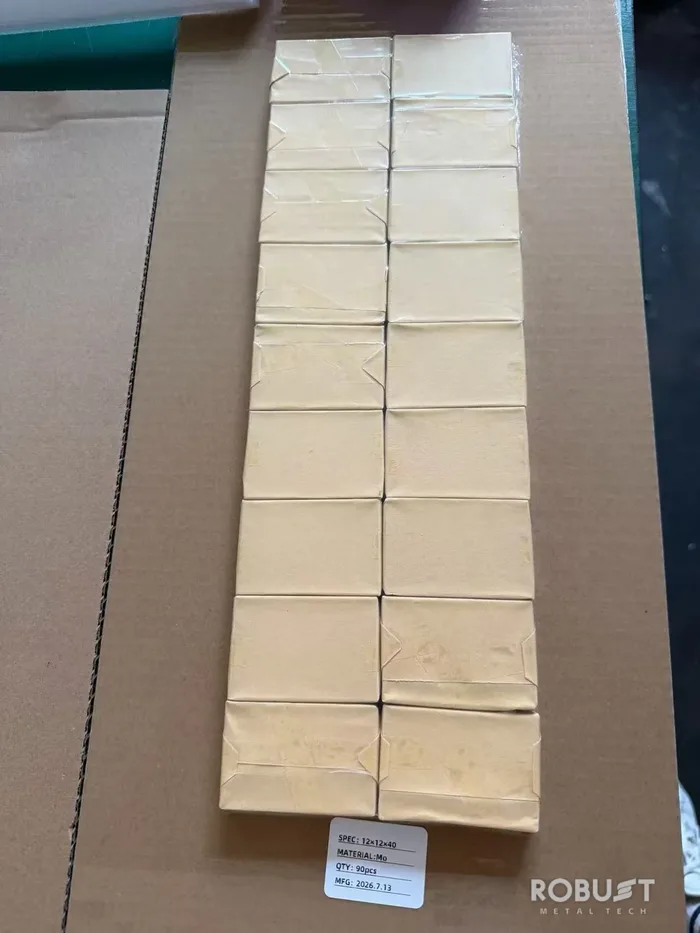
ROBUST supplies raw material and custom molybdenum parts for high-temperature and precision applications.
For drawing-based components, our team can review material grade, geometry, tolerances and manufacturing route before quotation.
Need help comparing stainless steel with molybdenum for your application? Send your drawing, service temperature and operating atmosphere through our project inquiry page.