 View Product ↗
01
Product Description
Technical details, material information and manufacturing notes for this product.
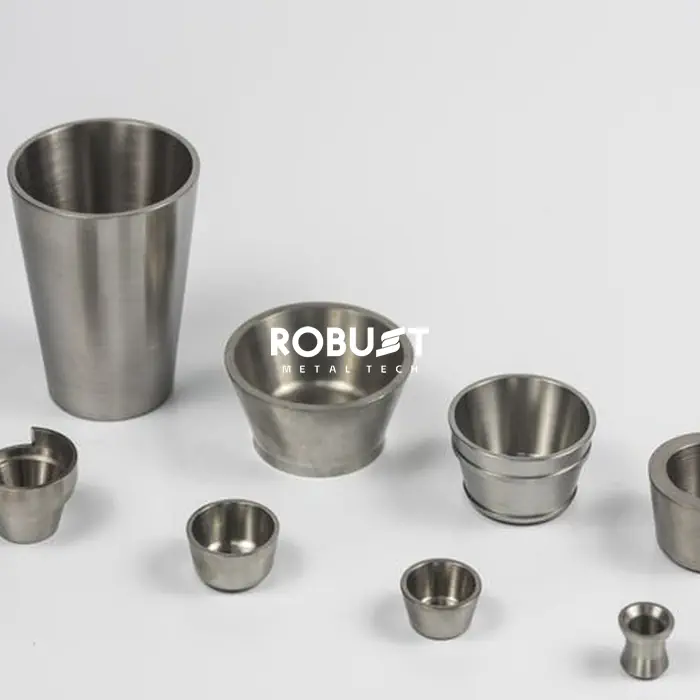
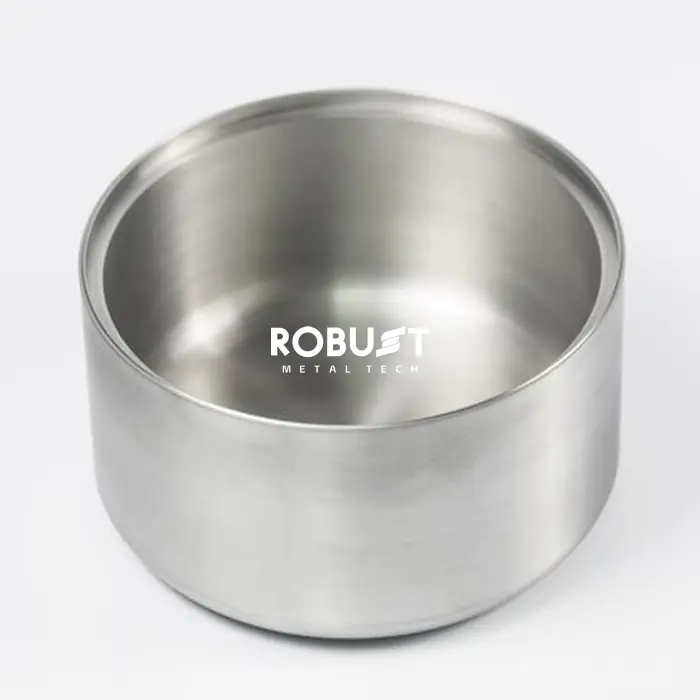
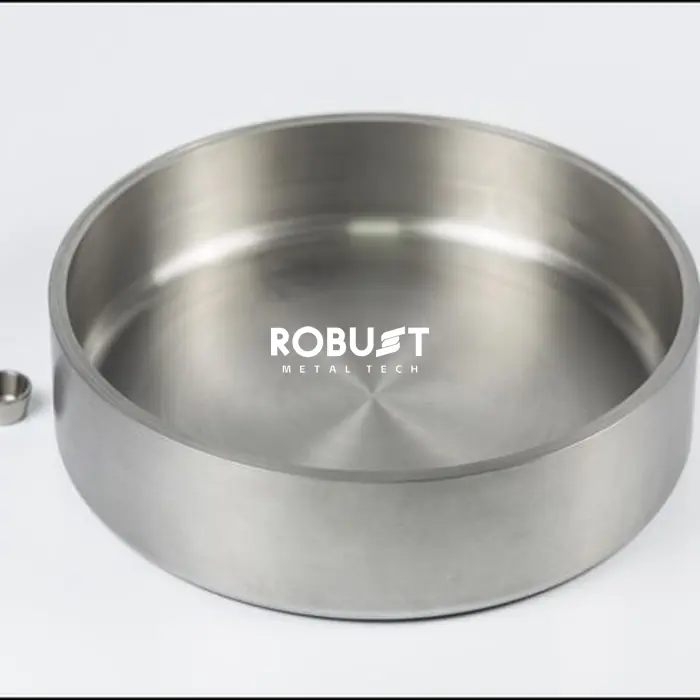
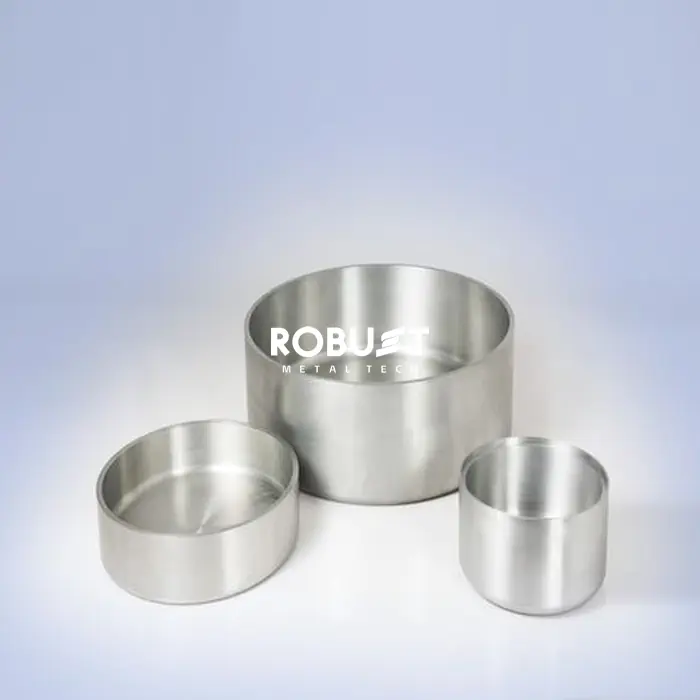
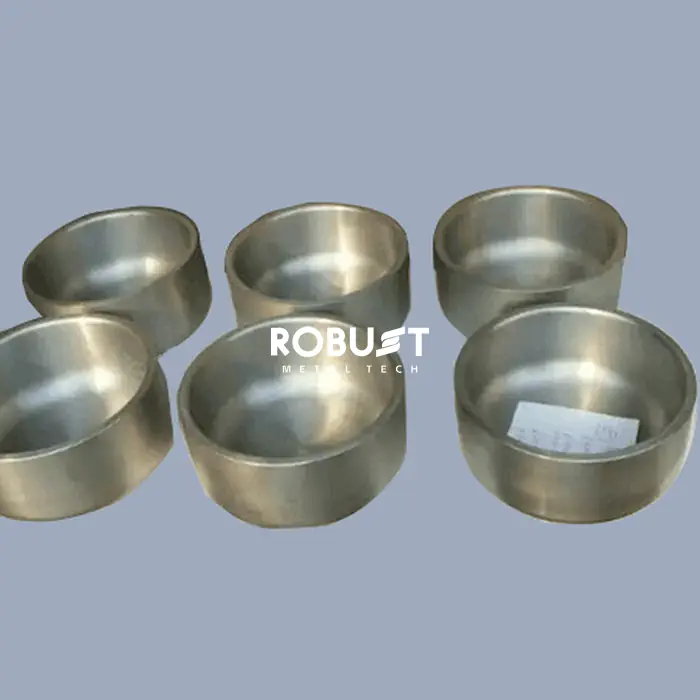
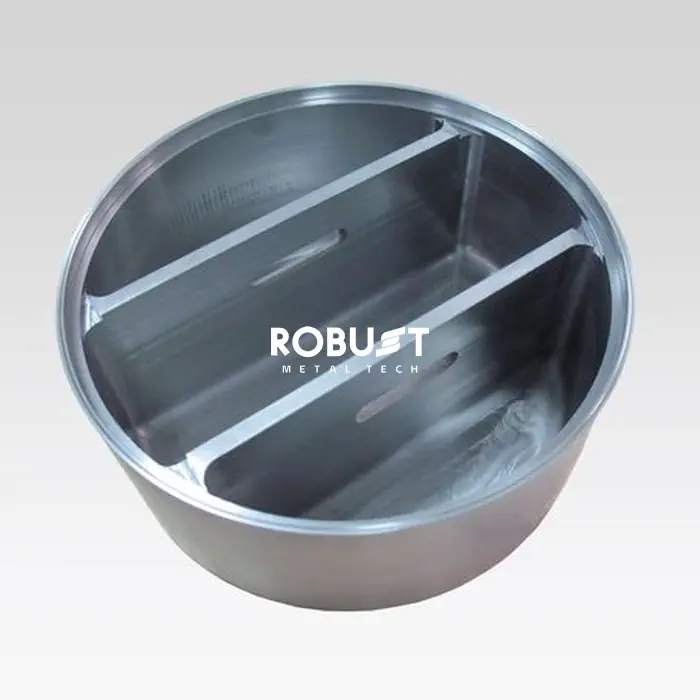
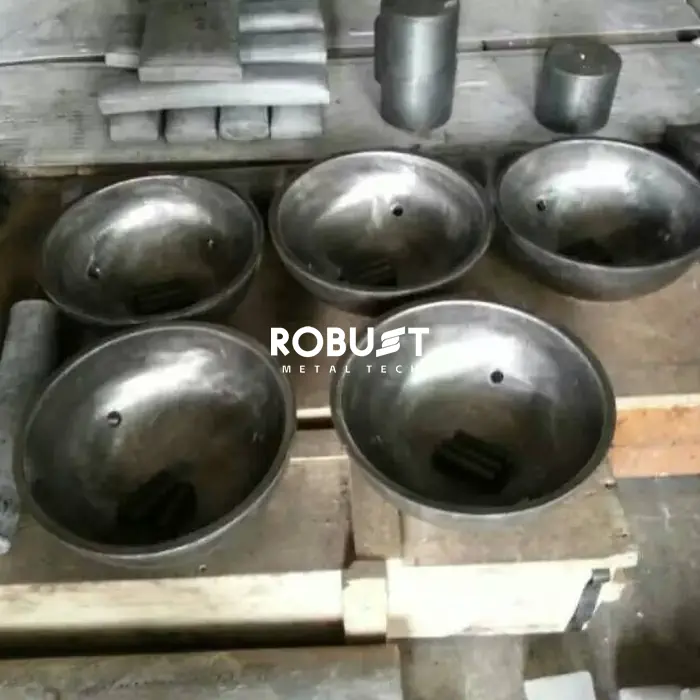
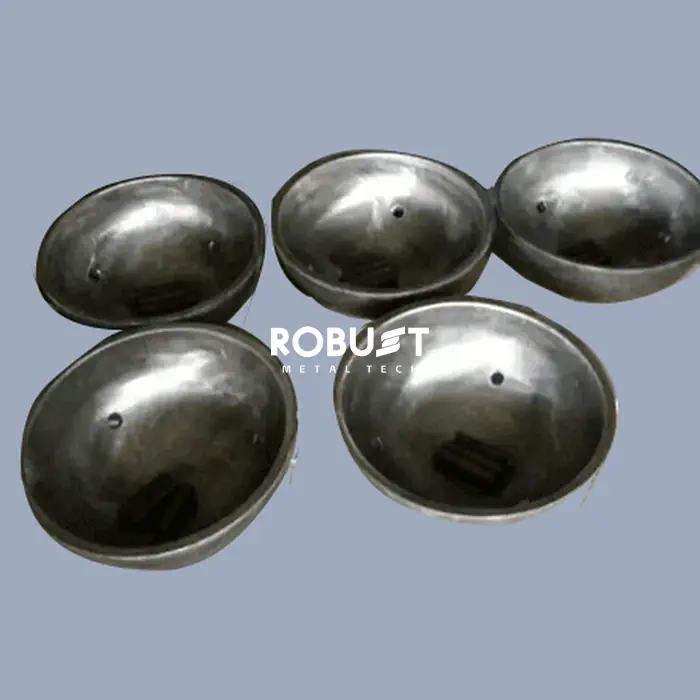
Molybdenum Crucible Overview
Molybdenum (Mo) crucibles are high-temperature containers primarily used in environments where temperatures exceed 1000℃ but do not quite reach the extreme limits requiring tungsten.
Since molybdenum has a melting point of 2623℃, it offers a more cost-effective yet highly durable solution for vacuum and inert gas thermal processes.
Manufacturing Methods
Similar to tungsten, molybdenum crucibles are produced based on the density and durability required for the specific application:
Sintered: Produced from molybdenum powder.
These are the most common and cost-effective, with a density of around 9.8 to 10.0g/cm3.
Forged: Sintered blanks are mechanically forged to reach a density of above 10.1g/cm3.
Forging creates a finer grain structure, which significantly improves the crucible’s lifespan and resistance to deformation.
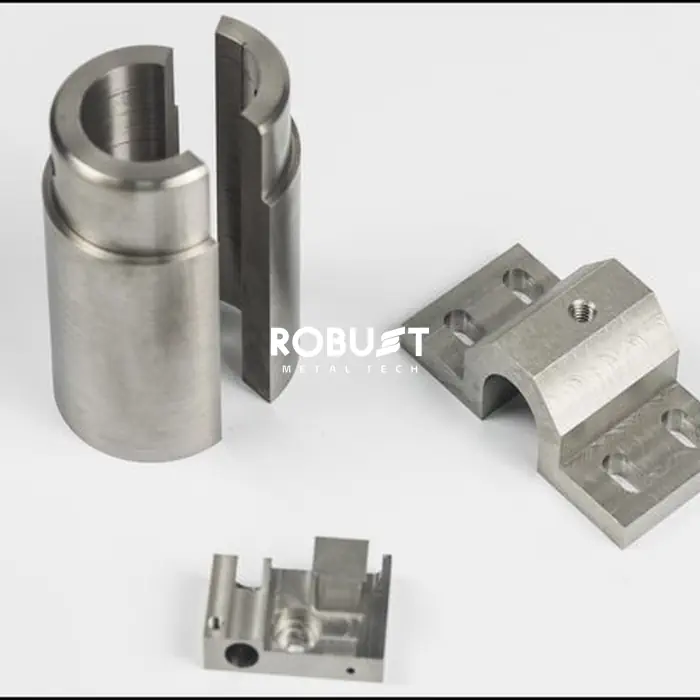
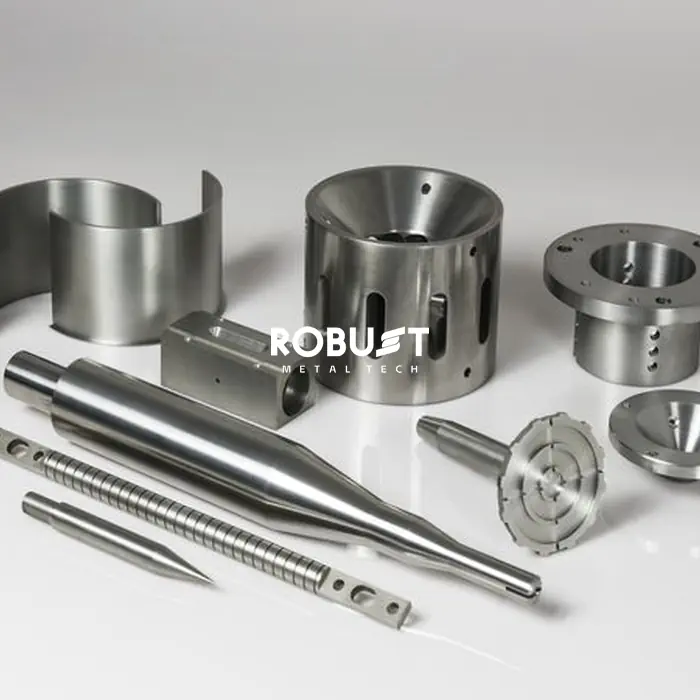
Machined: Cut from a solid Molybdenum Rod.
This method provides the highest precision for small, complex shapes.
Welded: Made by rolling and welding Molybdenum Plates.
These are typically used for very large, thin-walled applications.
Key Applications
Molybdenum crucibles are the workhorses of several high-tech industries:
1. LED & Sapphire Production: Used for melting alumina and growing sapphire crystals (though often as a secondary choice to tungsten, depending on the specific furnace design).
2. Rare Earth Smelting: Excellent resistance to corrosion from certain molten rare earth metals.
3. Vacuum Evaporation: Used as a container for coating materials (like gold or specialized alloys) in the electronics and optics industries.
4. Quartz Glass Melting: Used in the production of high-purity glass and silica fibers.
Technical Properties
Property | Value / Characteristic |
Melting Point | 2623℃ |
Purity | Standard 99.95%min |
Max Working Temp | 1900℃ (In Vacuum/Inert) |
Thermal Expansion | Low (allows for dimensional stability) |
Corrosion Resistance | High resistance to molten glass and various liquid metals |
02
Image Gallery
Additional product views, manufacturing details and application references.
04
Related Technical Resources
Material guides, application notes and manufacturing knowledge from ROBUST.
05