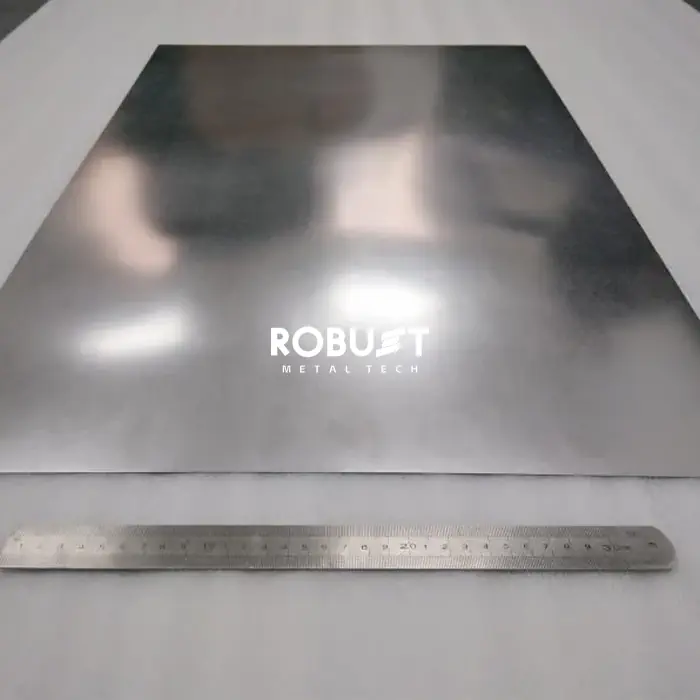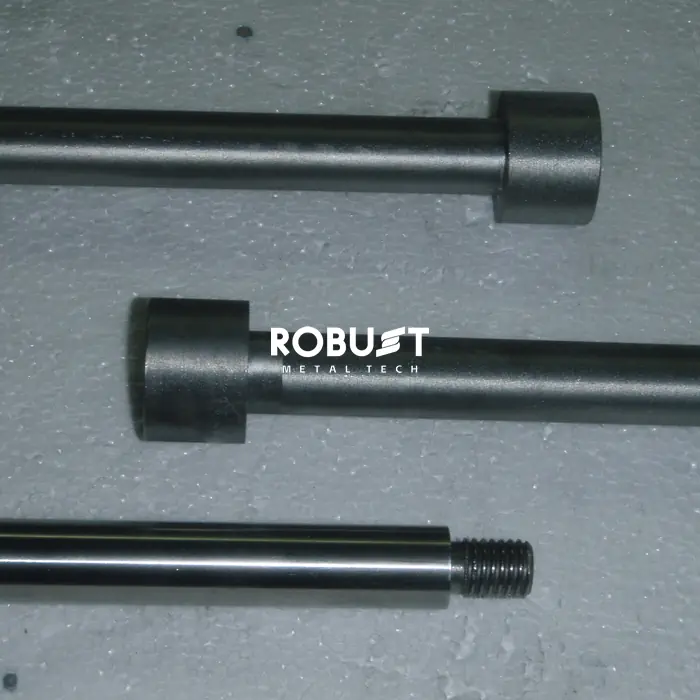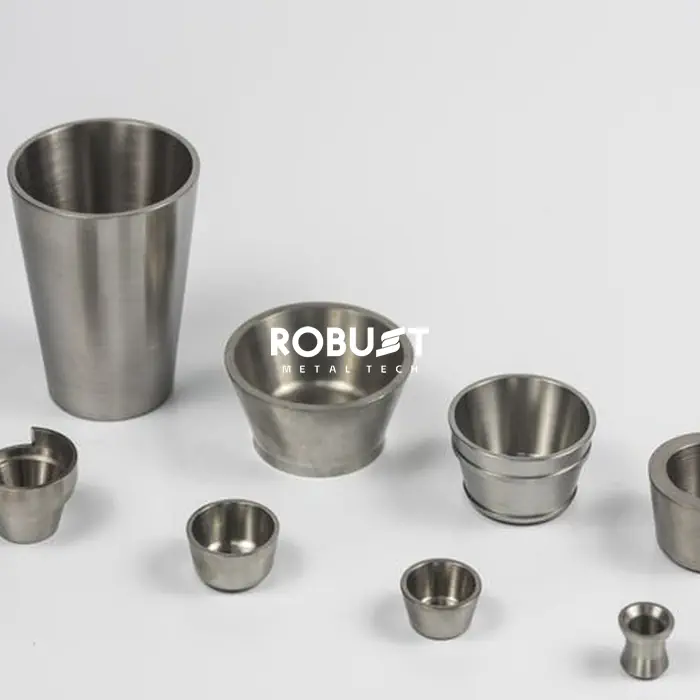
High-temperature industrial processes can cause standard metals to soften, warp or lose dimensional stability. Pure Tungsten Plate is considered for applications that require high density and strong thermal stability. The supplied guide gives tungsten's melting point as 3,422°C and its density as approximately 19.3 g/cm³, alongside low thermal expansion and low vapor pressure as relevant properties for demanding environments.
Physical Properties of Pure Tungsten Plate
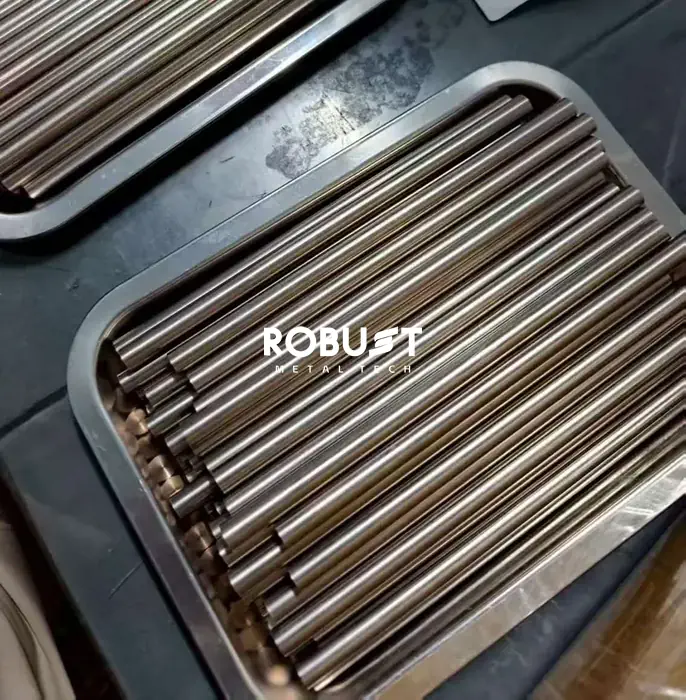
According to the supplied source, pure tungsten sheet is produced through powder metallurgy: refined tungsten powder is pressed, sintered and then rolled into plate or foil dimensions. Its high density is useful in applications where compact mass, thermal stability or radiation shielding is important. Low vapor pressure is also relevant in high-vacuum processes where material evaporation can affect the working environment.
Where Tungsten Sheet and Plate Are Used
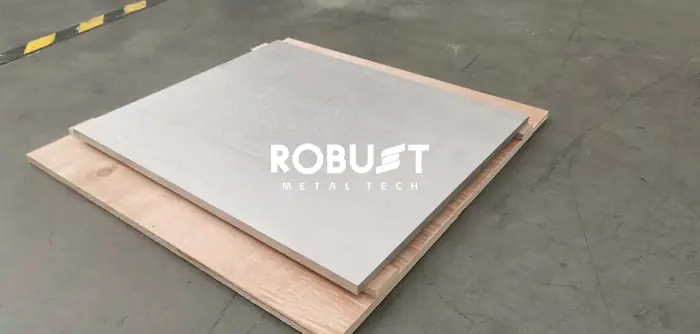
The supplied guide identifies several application groups:
- Vacuum and high-temperature furnaces: heating elements, heat shields and structural boats.
- Semiconductor and electronics: sputtering targets, ion-implantation components and heat-management parts.
- Medical and industrial shielding: collimators, X-ray shielding plates and protective liners.
- Aerospace and defense: heat shields, nozzle liners and compact high-density components.
Thickness and Processing Considerations
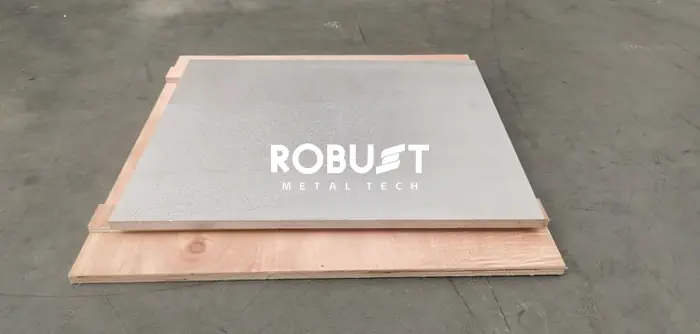
Pure tungsten is brittle at room temperature, and the supplied guide notes that cold bending or stamping can cause cracking. It describes warm working as one option for thin sheet and recommends that thicker plate be heated before forming. The exact working temperature and method must be confirmed for the actual grade, thickness, geometry and required tolerance rather than applied as a universal setting.
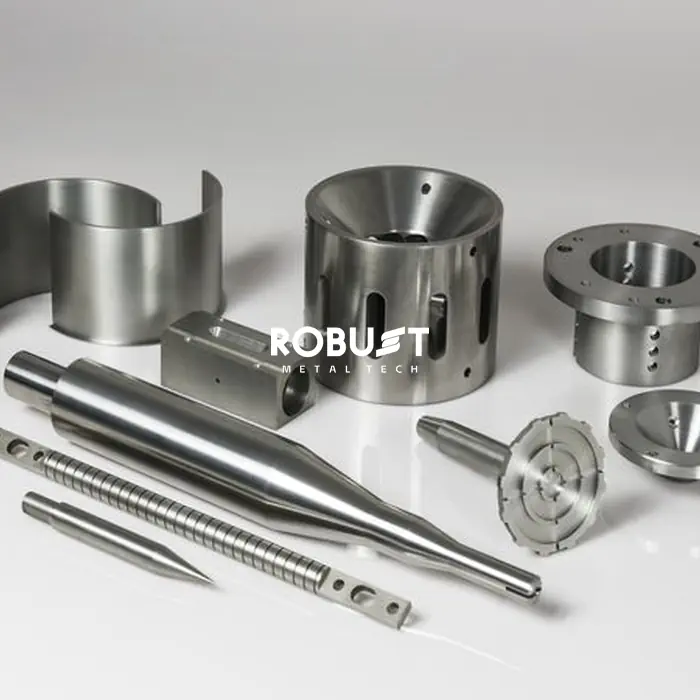
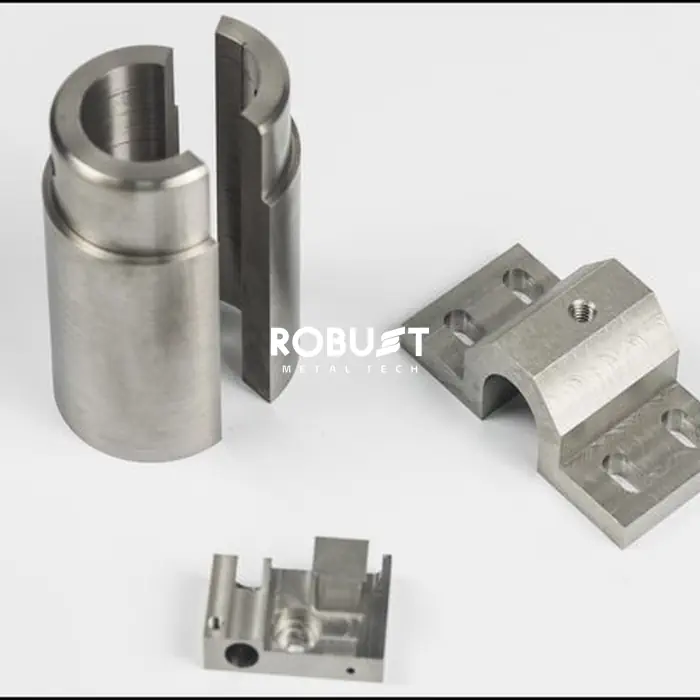
For complex flat profiles, the source identifies electrical-discharge machining (EDM) and laser cutting as possible methods. Surface conditions may include hot-rolled, cold-rolled, chemically cleaned or mirror-polished finishes, depending on the application.
Information to Confirm Before Ordering
A useful tungsten plate enquiry should state the material grade and purity, thickness, width, length, dimensional tolerances, flatness, edge condition, surface finish and operating environment. For furnace or vacuum applications, also describe the service temperature and atmosphere so the material and processing route can be reviewed together.
ROBUST supplies tungsten plate and custom-processed tungsten components. Review the tungsten plate product information, or send your drawing and specifications through the project inquiry page for a technical review.