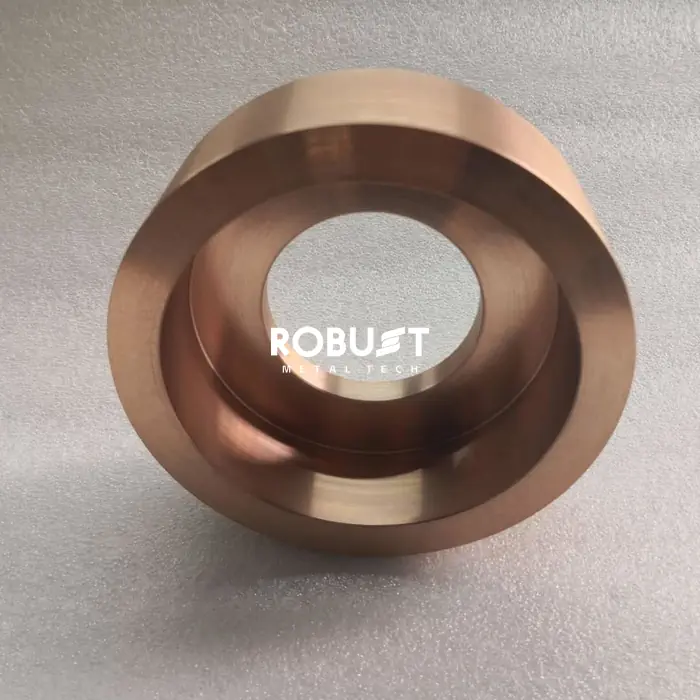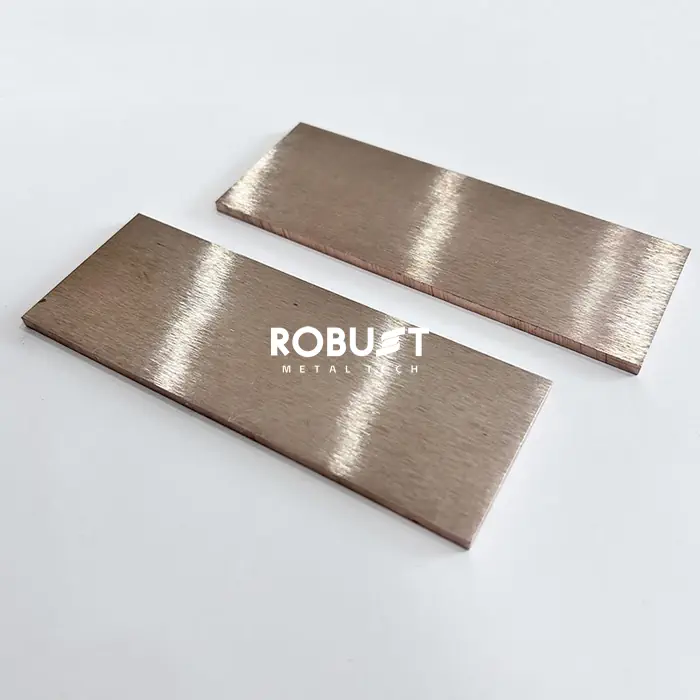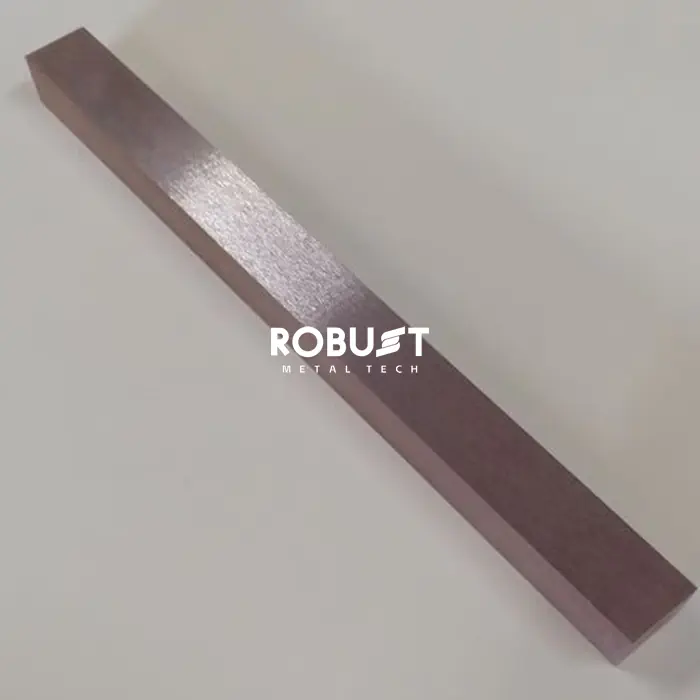
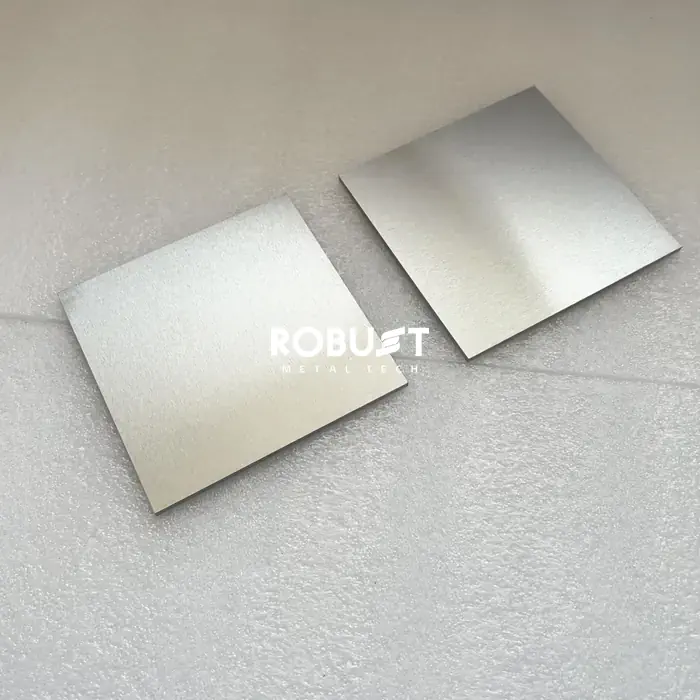
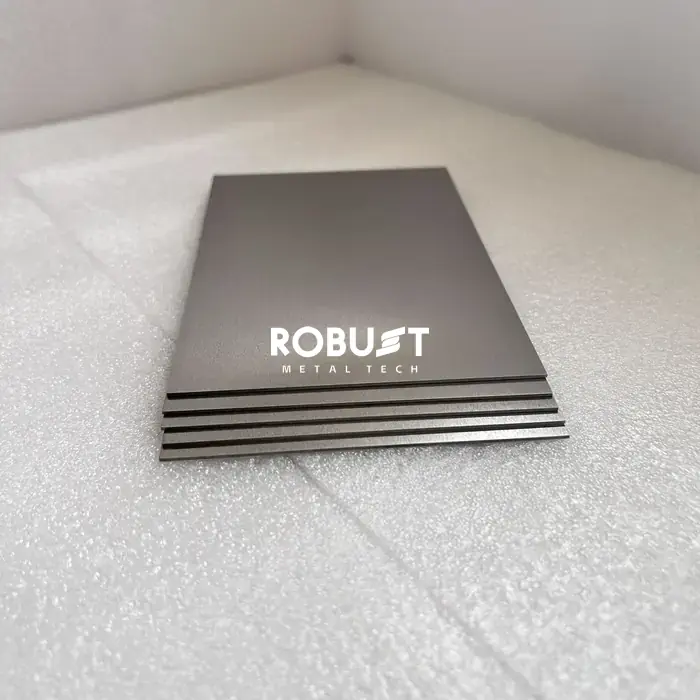
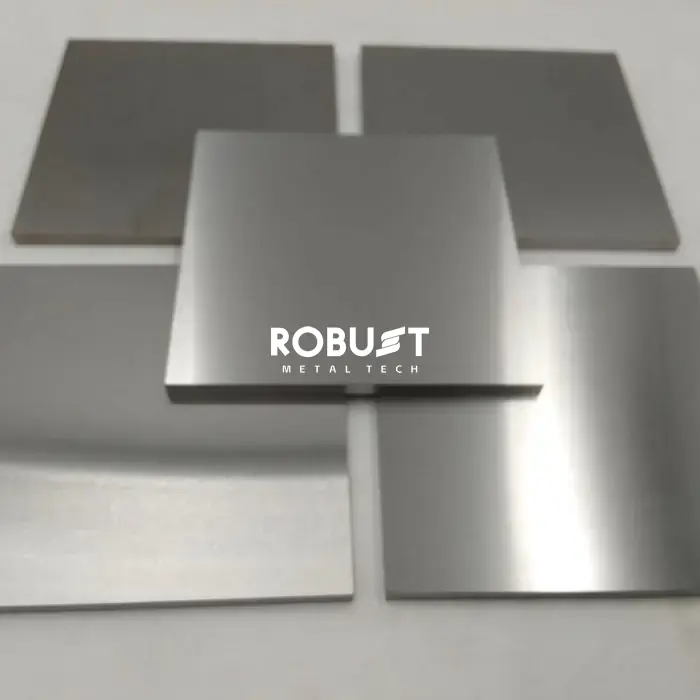
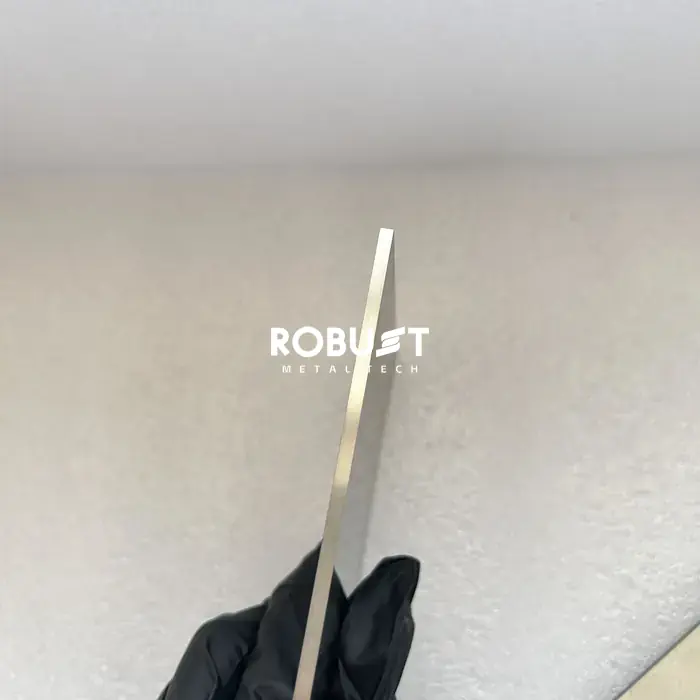
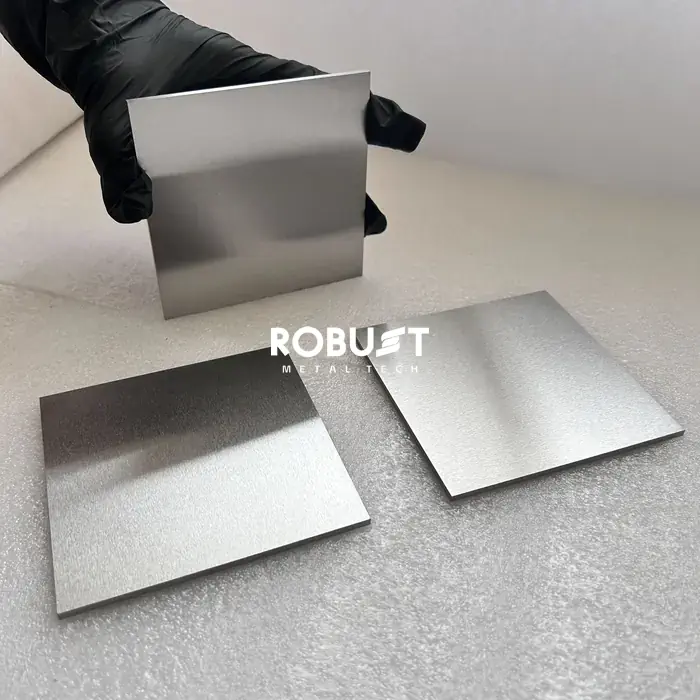
A tungsten plate is a high-density flat-rolled refractory metal product designed for extreme environments where conventional metals fail.
It offers outstanding thermal stability, radiation shielding capability, and structural integrity under high temperature and high stress conditions.
Due to its extremely high melting point and density, tungsten plate is widely used in vacuum furnaces, semiconductor processing, aerospace engineering, and medical radiation shielding systems.
Manufactured through powder metallurgy and multi-stage rolling processes, it ensures superior purity and mechanical strength.
This material is ideal for industries requiring precision, durability, and resistance to deformation under extreme operating conditions.
A tungsten plate is a flat, semi-finished mill product made from pure tungsten or tungsten-based alloys.
Known for possessing some of the most extreme physical and thermal properties of any metal, tungsten plates are used in environments where standard materials would instantly melt, deform, or fail.
Here is a breakdown of their classification, key properties, manufacturing process, and primary applications.
In metallurgy, flat-rolled tungsten is generally classified by its thickness:
Tungsten Foil: Thicknesses from 0.0016" to 0.0049" (0.04 mm to 0.12 mm)
Tungsten Sheet: Thicknesses from 0.005" to 0.187" (0.13 mm to 4.75 mm)
Tungsten Plate: Thicknesses from 0.1875" to 1.575"+ (4.76 mm to 40+ mm)
Tungsten plates are favored in heavy industry because they retain their mechanical integrity under brutal conditions:
Extreme Melting Point: It has a melting point of 3,422°C (6,192°F), the highest of all unalloyed metals.
High Density: At 19.3 g/cm³, it is roughly 2.5 times denser than steel and nearly equal to gold. This gives it immense mass in a compact volume.
Thermal & Electrical Conductivity: It features excellent thermal conductivity and a very low coefficient of thermal expansion, making it highly dimensionally stable when rapidly heated or cooled.
Radiation Shielding: Because of its high density and atomic number (Z = 74), tungsten is highly efficient at absorbing gamma rays and X-rays.
Because pure tungsten has a melting point higher than almost any container can hold, it cannot be cast like traditional steel or aluminum.
Instead, it is manufactured using powder metallurgy:
Powder Compression: Mined tungsten is chemically refined into a high-purity, fine metal powder.
This powder is poured into molds and subjected to immense hydraulic pressure (often via Cold Isostatic Pressing) to form a dense "green compact" block.
Sintering: The compressed block is placed into a high-temperature hydrogen atmosphere or vacuum furnace at 1,450°C to 1,550°C.
The heat causes the metal particles to bond together at a molecular level without fully melting, resulting in a solid, high-density ingot.
Hot Rolling & Annealing: The sintered ingot is heated to temperatures between 900°C and 1,200°C and repeatedly passed through heavy-duty rolling mills.
The thickness is progressively reduced while intermediate annealing cycles are used to prevent the brittle metal from cracking.
Finishing: Depending on the target application, the plate surface can be left as-rolled, acid-washed, machined, or polished to a mirror finish.
Industry | Primary Use Cases |
High-Temp Furnaces | Used as heat shields, structural supports, heating elements, and sintering base plates inside vacuum and high-temperature furnaces. |
Semiconductor & Electronics | Thick tungsten plates are machined into sputtering targets (used to deposit thin tungsten films onto microchips) and used as ion implantation parts. |
Medical & Nuclear | Utilized as X-ray and gamma radiation shields, collimators, and medical imaging components where lead is either too soft or toxic. |
Aerospace & Defense | Used in rocket nozzles, propulsion system components, and machined down into balance weights or kinetic energy penetrators. |
Welding & Tooling | Serves as the base material for high-wear electrodes, backing plates, and heavy-duty cutting tools. |
Pure Tungsten (99.95%): Best for applications requiring the highest possible melting point, electrical conductivity, and lowest vapor pressure (e.g., vacuum furnace heating elements, semiconductor sputtering targets). However, it is exceptionally brittle and difficult to machine.
Tungsten Heavy Alloys (WHA): Blended with binders like Nickel-Iron (Ni-Fe) or Nickel-Copper (Ni-Cu), usually containing 90% to 97% tungsten. These alloys retain high density and radiation shielding capabilities but offer much higher ductility, making them significantly easier to machine into complex parts.
You should ensure the vendor complies with internationally recognized material standards:
Pure Tungsten Plates: Specify ASTM B760.
Tungsten Heavy Alloy Plates: Specify ASTM B777 or aerospace standard AMS 7725.
Choose a Nickel-Iron (Ni-Fe) binder if high tensile strength is your priority. Note: This alloy is magnetic.
Choose a Nickel-Copper (Ni-Cu) binder if the plate is destined for medical imaging (like MRI machines) or sensitive electronics. Note: This alloy is non-magnetic.
No. Pure tungsten is incredibly hard and brittle at room temperature; attempting to drill or mill it with standard steel tools will result in shattered tools or cracked plates.
Pure Tungsten usually requires Electric Discharge Machining (EDM), water-jet cutting, diamond-tool grinding, or laser cutting.
WHA plates can be machined using carbide tooling, but still require slower speeds and specific coolants. Tip: If you don't have specialized EDM or carbide machining capabilities in-house, it is highly recommended to buy the plate pre-machined to your final dimensions from the supplier.
Black (As-Rolled): Has a dark oxide layer from the manufacturing process. Least expensive; ideal if you plan to machine the entire surface anyway.
Chemical Cleaned (Acid Washed): The oxide layer is chemically removed, leaving a uniform matte-gray finish.
Ground / Polished: Machined to strict flatness tolerances with a bright, metallic finish. Crucial for semiconductor targets or vacuum furnace applications.
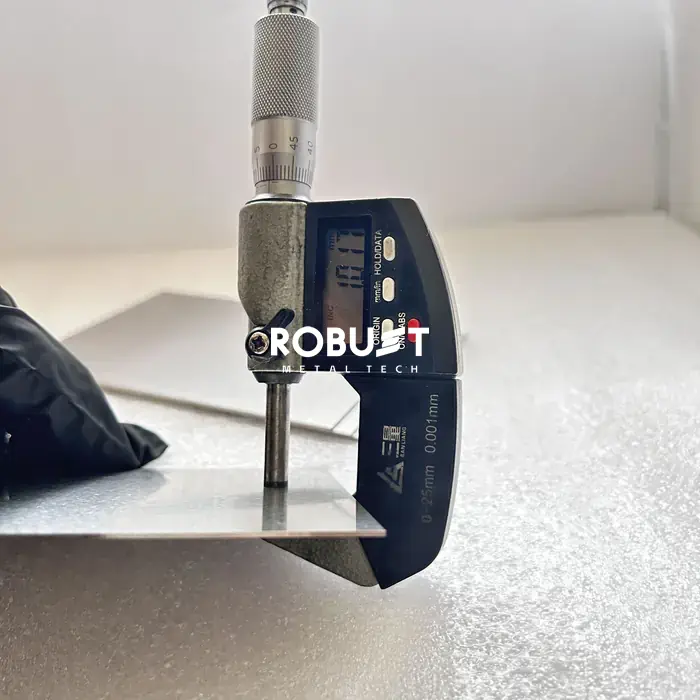
Tolerances vary by manufacturer, but a standard precision-ground plate typically guarantees a thickness tolerance of 0.002" to 0.005". Always request a flatness specification if the plate will be used as a structural backing or a sputtering target.
Because tungsten cannot be melted and cast in large bulk batches, every plate must go through powder pressing, sintering, and multiple labor-intensive hot-rolling stages.
Custom thicknesses or oversized plates can carry lead times of 4 to 8 weeks if not actively held in standard distributor stock.
Tungsten is a minor metal, and its pricing fluctuates based on global ammonium paratungstate (APT) market indexes.
It is usually priced by weight (per kilogram or per pound) rather than by square foot.
Because of its massive density (19.3 g/cm³), even a small plate will be surprisingly heavy and, consequently, expensive.
To ensure you aren't receiving a low-density or contaminated product, your quality control department should require:
A Material Test Report (MTR) or Mill Test Certificate showing chemical purity breakdown.
Density Verification data (ensuring pure tungsten meets 19.2/cm³).
An Ultrasonic Inspection (NDT) report if the plate is thick, ensuring there are no internal cracks, voids, or deformation caused during the rolling process.
Robust provides high-quality Tungsten Plates: High-Performance Material for Extreme Industrial Applications solutions for industrial, high-temperature, and precision engineering applications worldwide.
OEM & ODM Support | Fast Delivery | Factory Direct Price