Molybdenum Crucibles for High-Temperature Vacuum and Industrial Thermal Processes
-
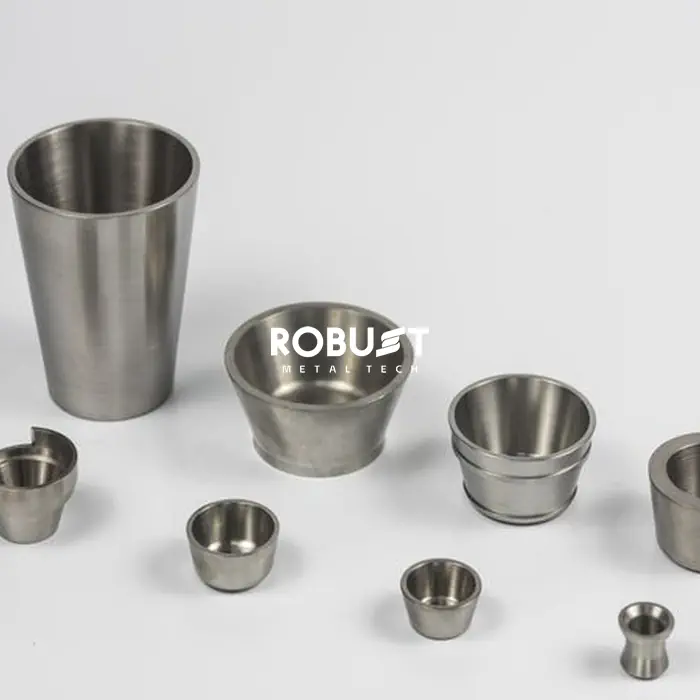
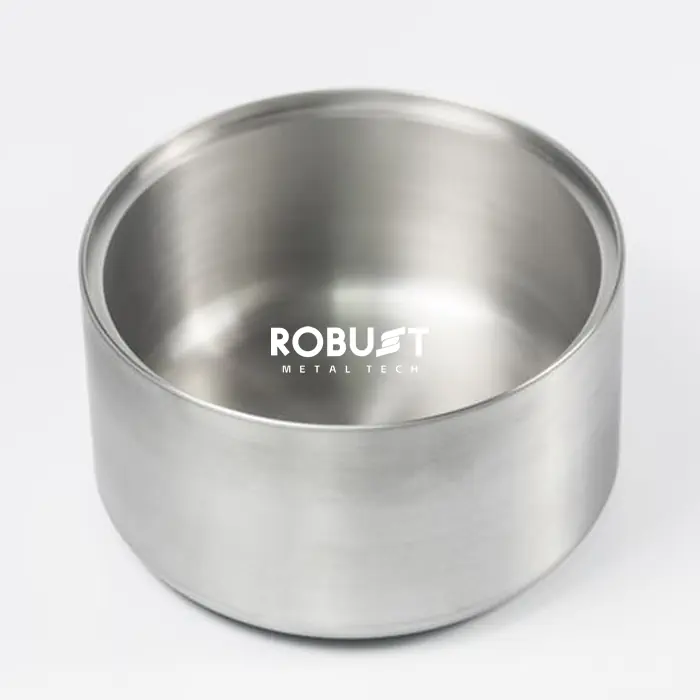
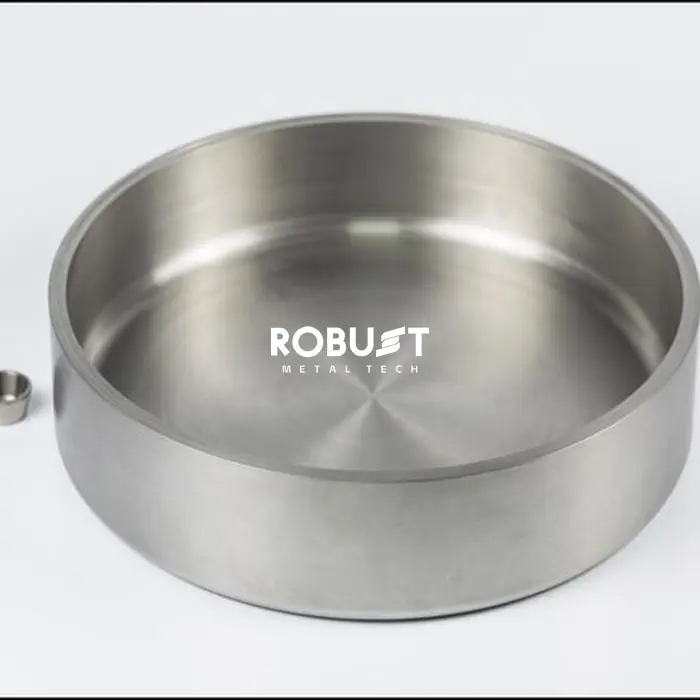
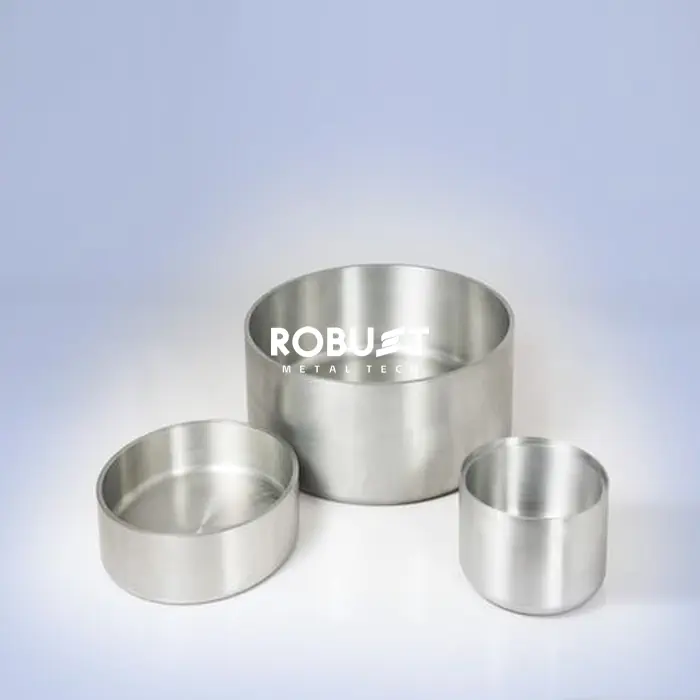
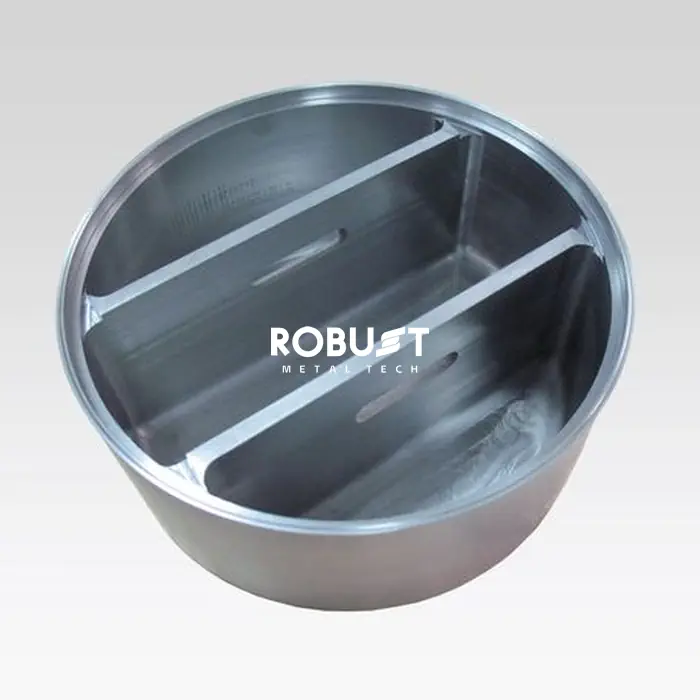
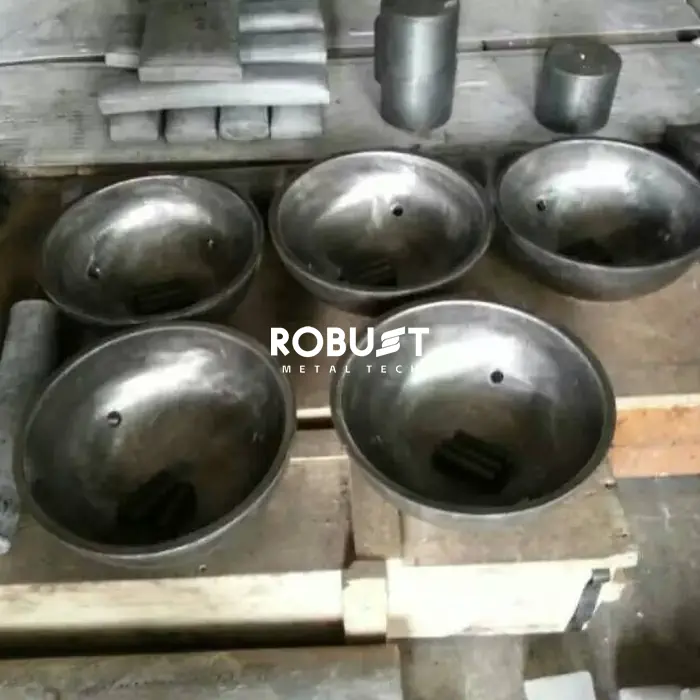
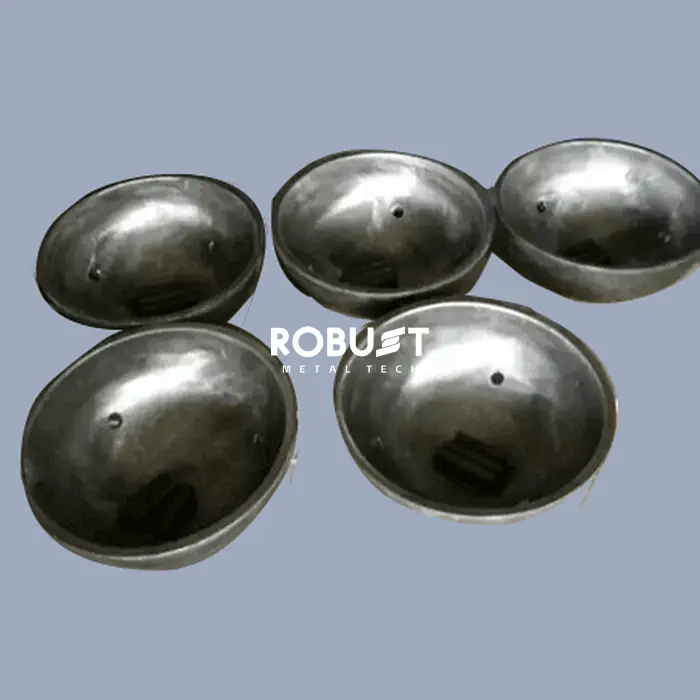
Molybdenum crucibles are high-temperature containers designed for vacuum and inert gas environments where operating temperatures exceed 1000℃. With a melting point of 2623℃, molybdenum provides excellent thermal stability, corrosion resistance, and long service life in demanding industrial processes. These crucibles are widely used in LED and sapphire production, rare earth smelting, vacuum evaporation, and quartz glass melting. Available in sintered, forged, machined, and welded types, they offer different levels of density, precision, and durability. Molybdenum crucibles are a cost-effective alternative to tungsten for high-temperature thermal applications requiring reliability and stability.
Description
Molybdenum Crucible Overview
Molybdenum (Mo) crucibles are high-temperature containers primarily used in environments where temperatures exceed 1000℃ but do not quite reach the extreme limits requiring tungsten.
Since molybdenum has a melting point of 2623℃, it offers a more cost-effective yet highly durable solution for vacuum and inert gas thermal processes.
Manufacturing Methods
Similar to tungsten, molybdenum crucibles are produced based on the density and durability required for the specific application:
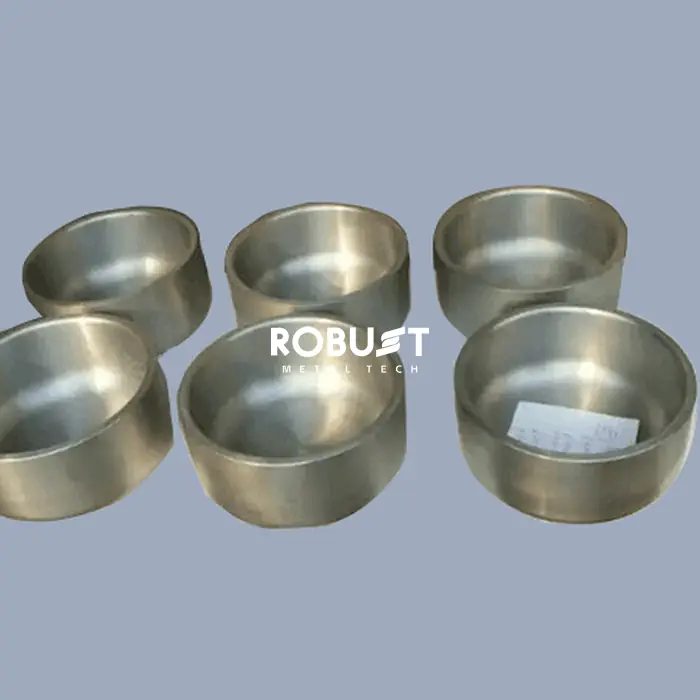
Sintered: Produced from molybdenum powder.
These are the most common and cost-effective, with a density of around 9.8 to 10.0g/cm3.
Forged: Sintered blanks are mechanically forged to reach a density of above 10.1g/cm3.
Forging creates a finer grain structure, which significantly improves the crucible’s lifespan and resistance to deformation.
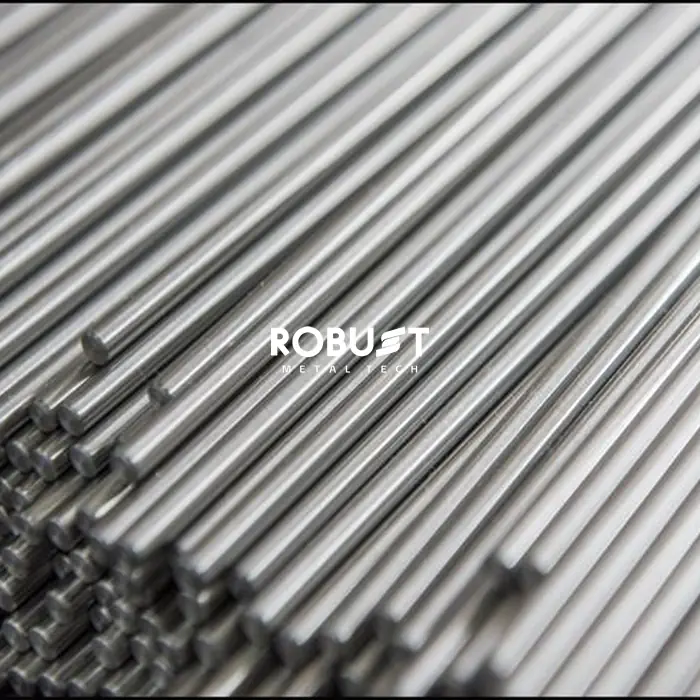
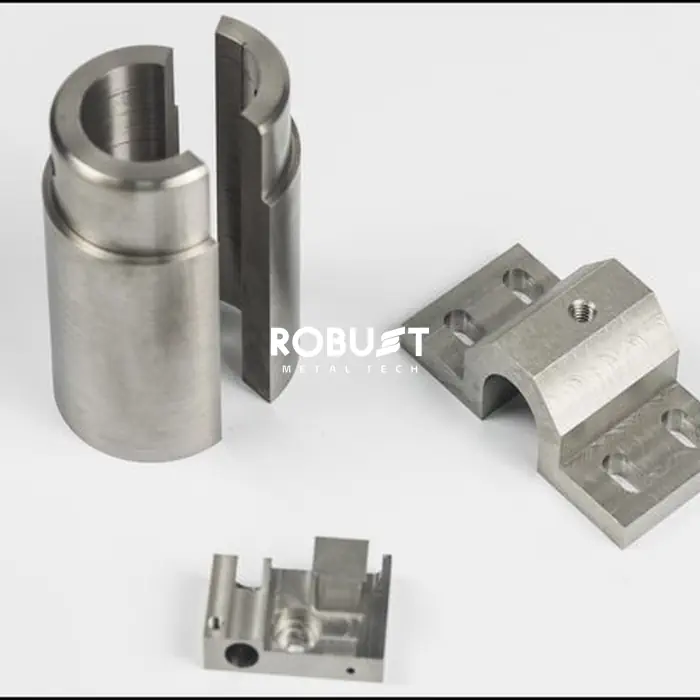
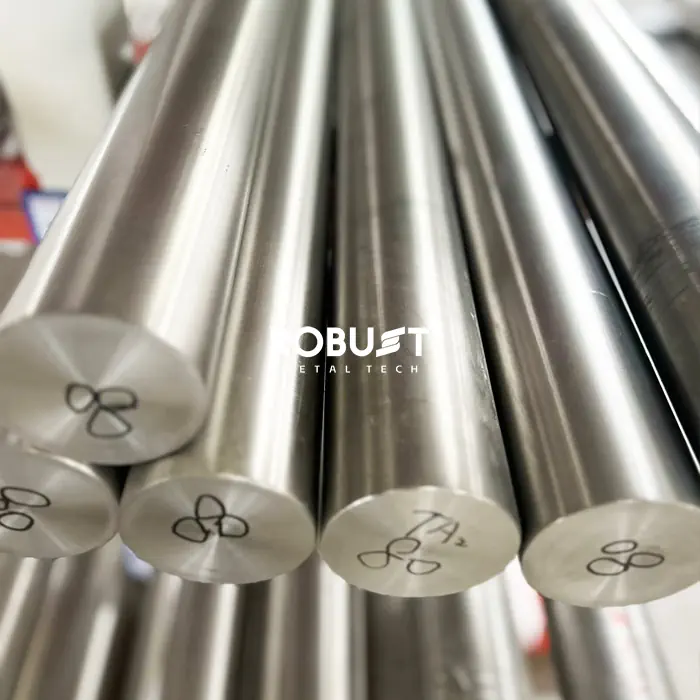
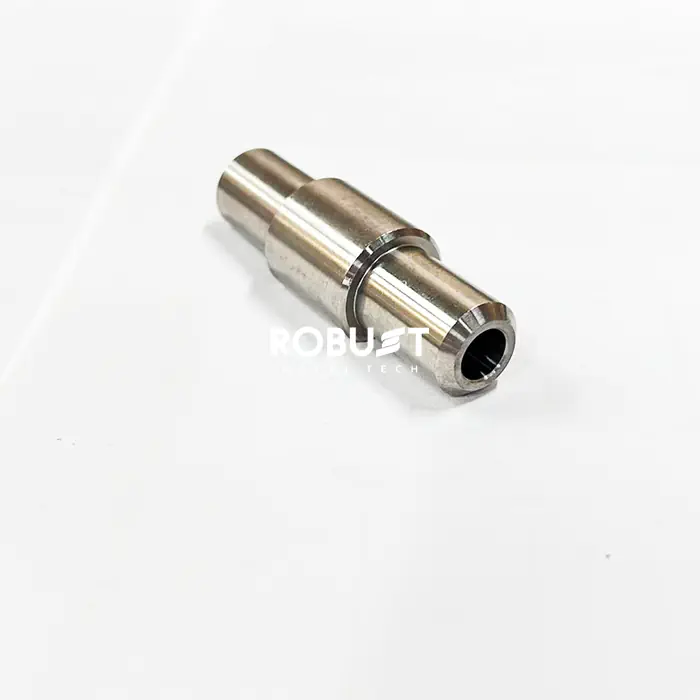
Machined: Cut from a solid molybdenum rod.
This method provides the highest precision for small, complex shapes.
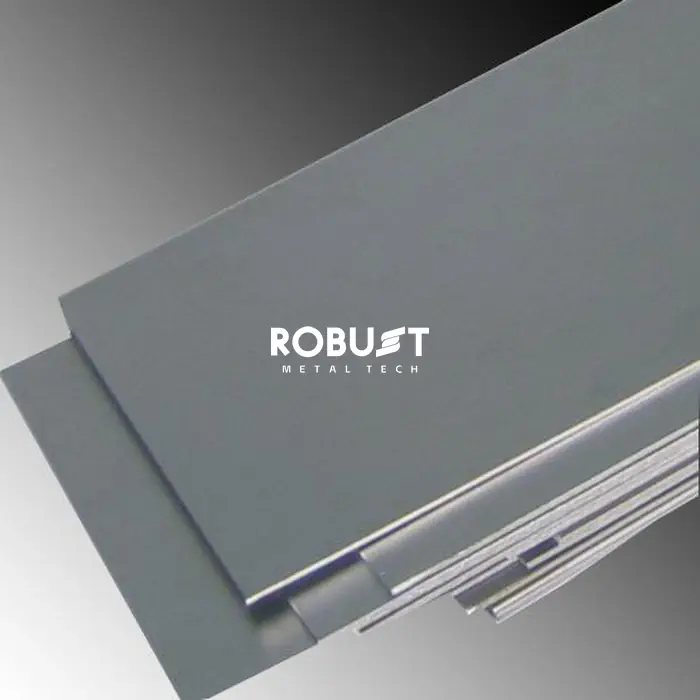
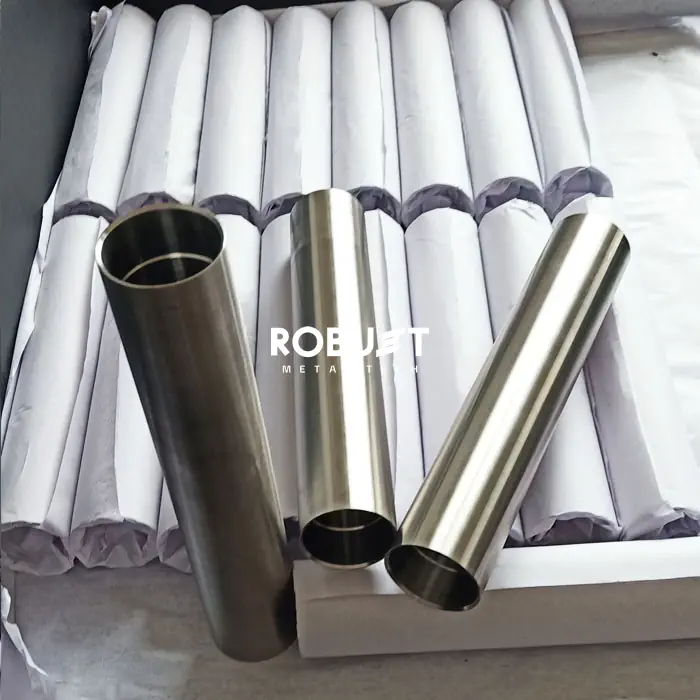
Welded: Made by rolling and welding molybdenum plates.
These are typically used for very large, thin-walled applications.
Key Applications
Molybdenum crucibles are the workhorses of several high-tech industries:
1. LED & Sapphire Production: Used for melting alumina and growing sapphire crystals (though often as a secondary choice to tungsten, depending on the specific furnace design).
2. Rare Earth Smelting: Excellent resistance to corrosion from certain molten rare earth metals.
3. Vacuum Evaporation: Used as a container for coating materials (like gold or specialized alloys) in the electronics and optics industries.
4. Quartz Glass Melting: Used in the production of high-purity glass and silica fibers.
Technical Properties
Property | Value / Characteristic |
Melting Point | 2623℃ |
Purity | Standard 99.95%min |
Max Working Temp | 1900℃ (In Vacuum/Inert) |
Thermal Expansion | Low (allows for dimensional stability) |
Corrosion Resistance | High resistance to molten glass and various liquid metals |
Video
Image Gallery
FAQs
1. Can it be used in an open-air furnace?
The Answer: No.
Molybdenum oxidizes rapidly above 500–600℃ in air.
It must be used in a vacuum, hydrogen (reducing), or argon (inert) atmosphere.
2. What is the advantage of Mo-La (Lanthanated Molybdenum) crucibles?
The Answer: Adding Lanthanum Oxide (La2O3) raises the recrystallization temperature.
This prevents the crucible from becoming extremely brittle after its first heating cycle.
It makes the crucible much more durable for repeated use.
3. What surface finish do you provide?
Buyers usually require a ground or polished finish (Ra < 1.6um).
A smooth surface is critical to ensure that the melted material can be poured out easily and does not stick to the walls.
4. What is the tolerance on wall thickness?
Uniform wall thickness is vital for even heat distribution.
Standard tolerances are usually within +-0.1mm to +-0.5mm depending on the size.
Shipping & Handling Note
Because molybdenum is a heavy "refractory" metal, shipping costs are calculated by weight rather than just volume.
Foreign buyers often request custom wooden crates with internal foam padding.
Forged or sintered molybdenum can be brittle and may crack if subjected to heavy impact during international transit.
Literature
Reliable Molybdenum Crucibles for High-Temperature Vacuum and Industrial Thermal Processes Manufacturer & Supplier in China
Robust provides high-quality Molybdenum Crucibles for High-Temperature Vacuum and Industrial Thermal Processes solutions for industrial, high-temperature, and precision engineering applications worldwide.
OEM & ODM Support | Fast Delivery | Factory Direct Price