 View Product ↗
01
Product Description
Technical details, material information and manufacturing notes for this product.
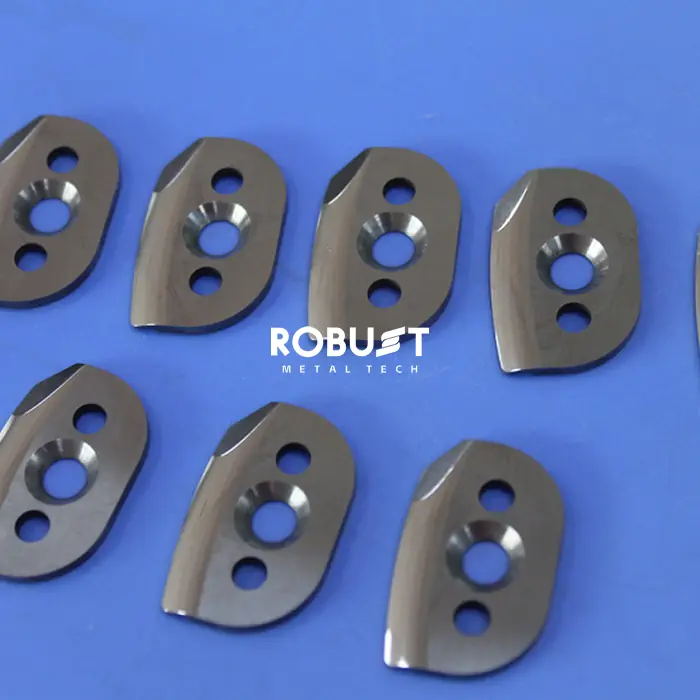
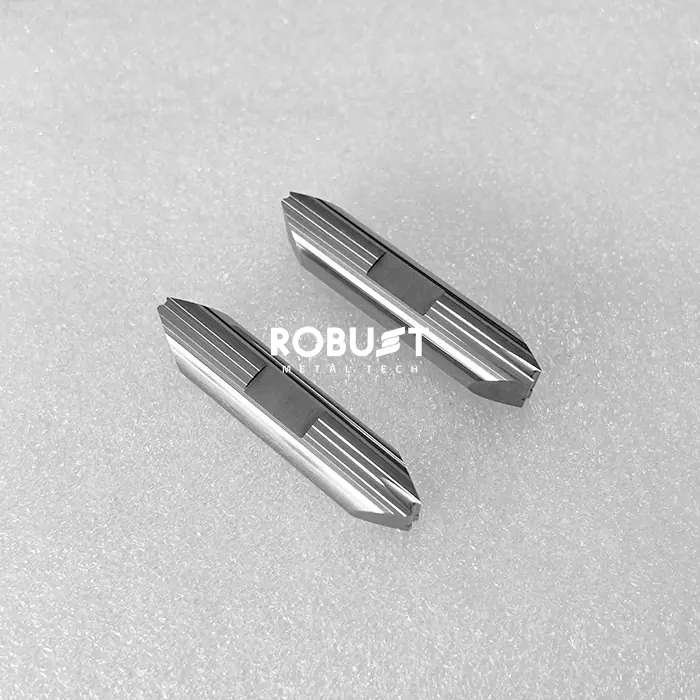
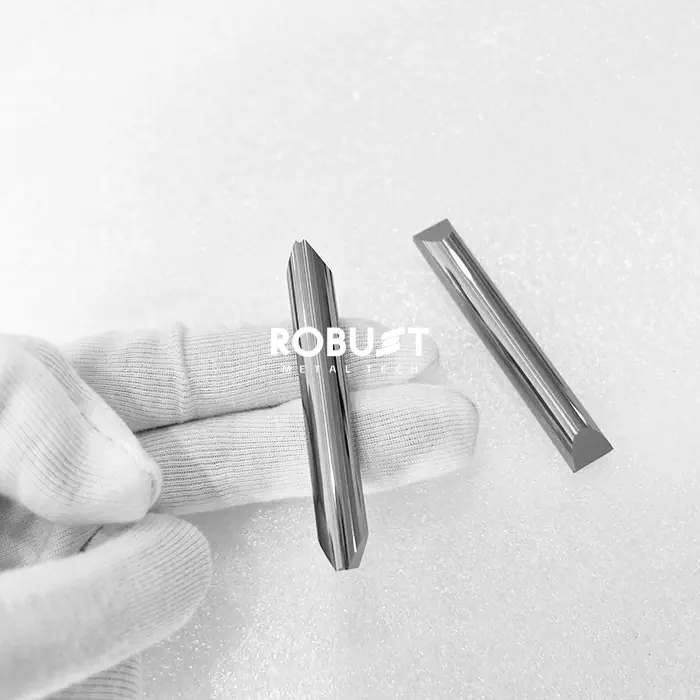
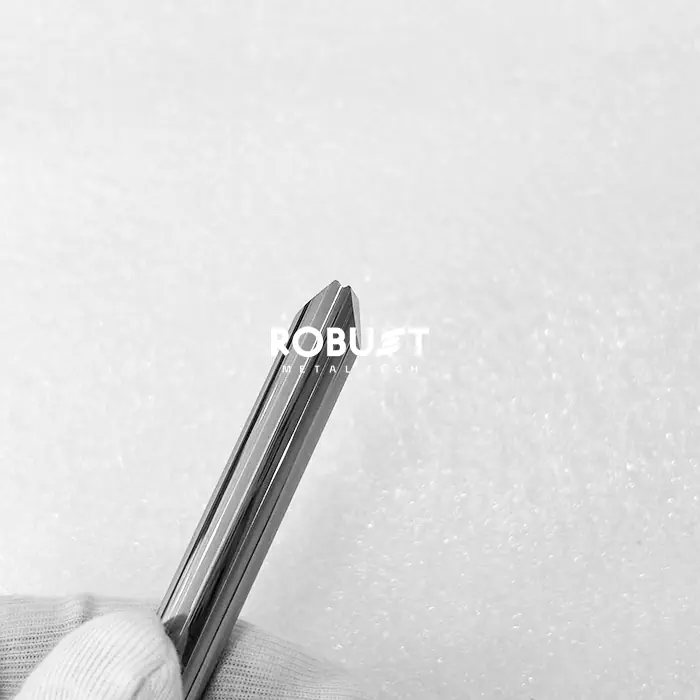
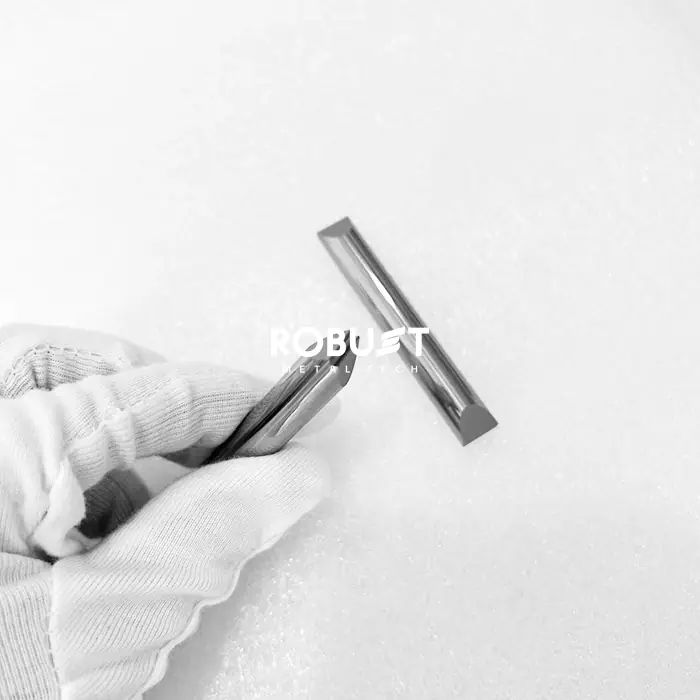
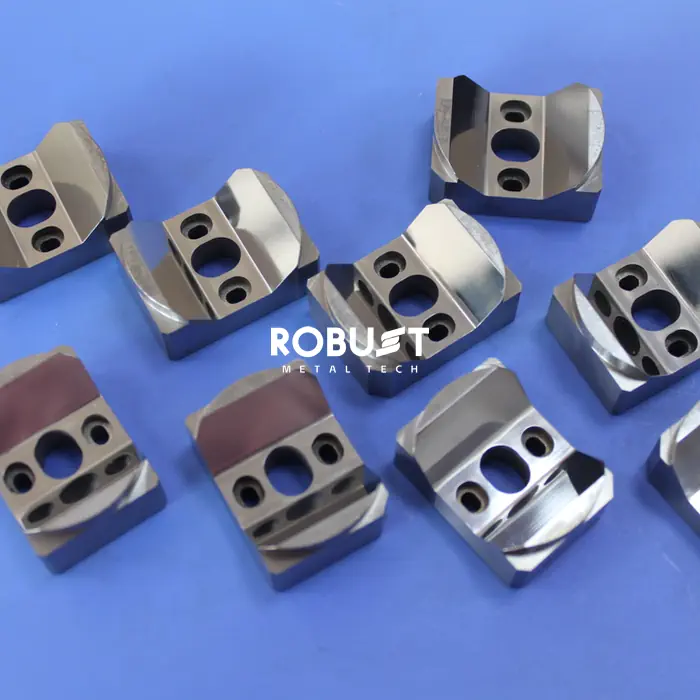
Cemented Carbide Punch for High Precision Metal Stamping
Cemented Carbide Punch is a high-precision industrial tool used to pierce, form, or stamp holes in other materials (usually steel or aluminum).
Because punches endure repeated, high-velocity impacts and intense friction, carbide is the preferred material for high-volume production lines where downtime for tool changes is costly.
Key Characteristics
High Compressive Strength: Carbide can withstand massive vertical pressure without deforming, allowing it to punch through thick or high-strength metals.
Extreme Rigidity: With a Young’s Modulus roughly 3x higher than steel, carbide punches do not flex or deflect, ensuring extremely tight tolerances in the finished part.
Superior Edge Retention: The cutting edge of a carbide punch stays sharp for millions of cycles, whereas steel punches would dull and create burrs on the workpiece.
Common Types of Carbide Punches
Solid Carbide Punches: The entire tool is carbide. Used for very small, high-precision electronic parts or medical needles.
Carbide-Tipped (Brazed): A carbide working end is brazed onto a steel shank. This combines hardness with shock absorption.
Interchangeable Inserts: Only the wear-face is a carbide disk, held in place by a mechanical retainer.
Feature | Specification Detail |
Material Grade | Sub-micron grains for sharpness or coarse grains for impact resistance |
Binder Content | 12% to 15% Cobalt is the sweet spot for most punches |
Surface Finish | Mirror finish (Ra 0.05 or lower) to reduce friction and heat |
Concentricity | Within 0.002mm for high precision hole stamping |
04
Related Technical Resources
Material guides, application notes and manufacturing knowledge from ROBUST.
05