Hit enter to search or ESC to close

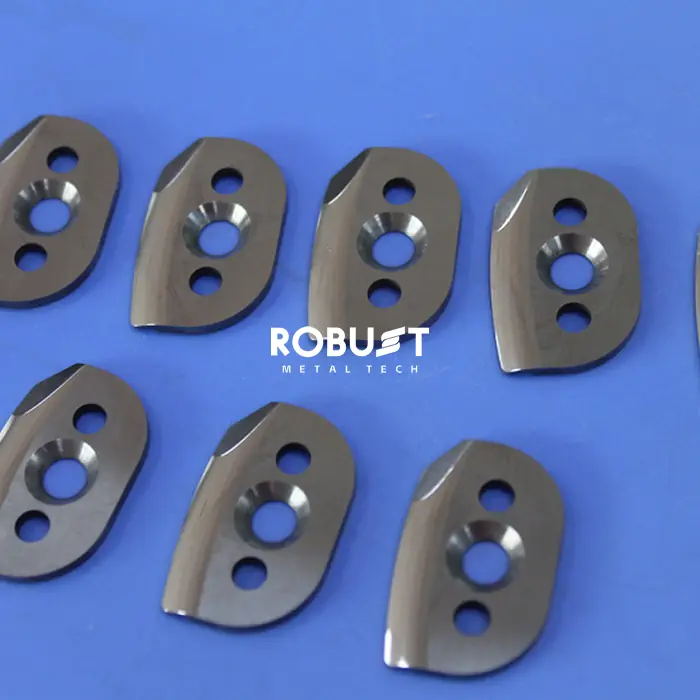
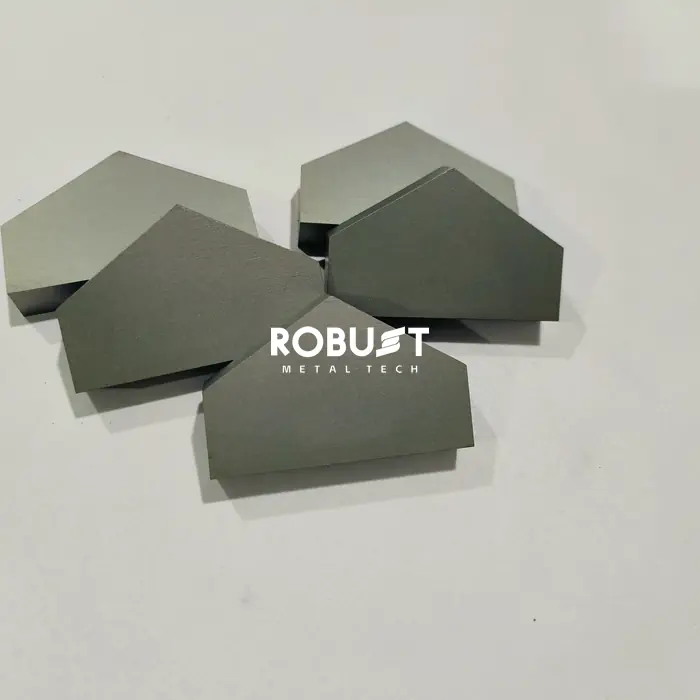
  • Carbide Inserts for Milling and Cutting Tools | Tungsten Carbide Industrial Cutting Solutions-1-ROBUST
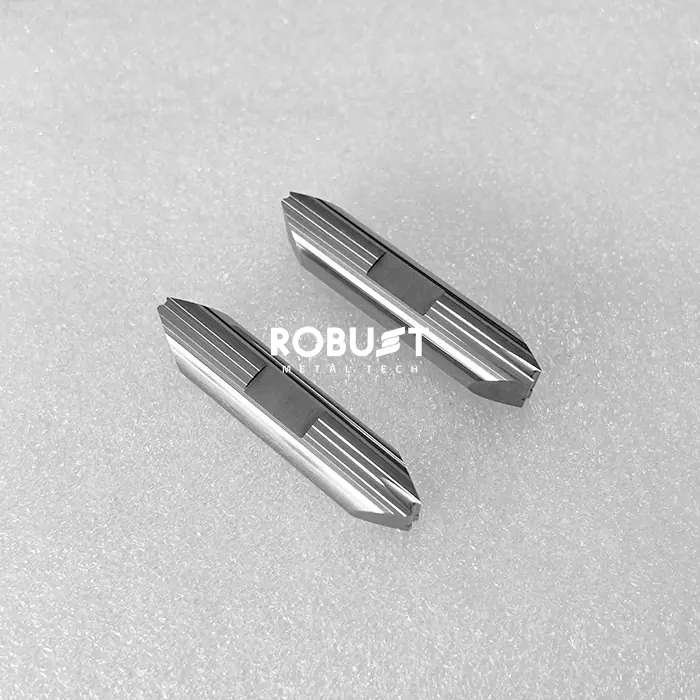
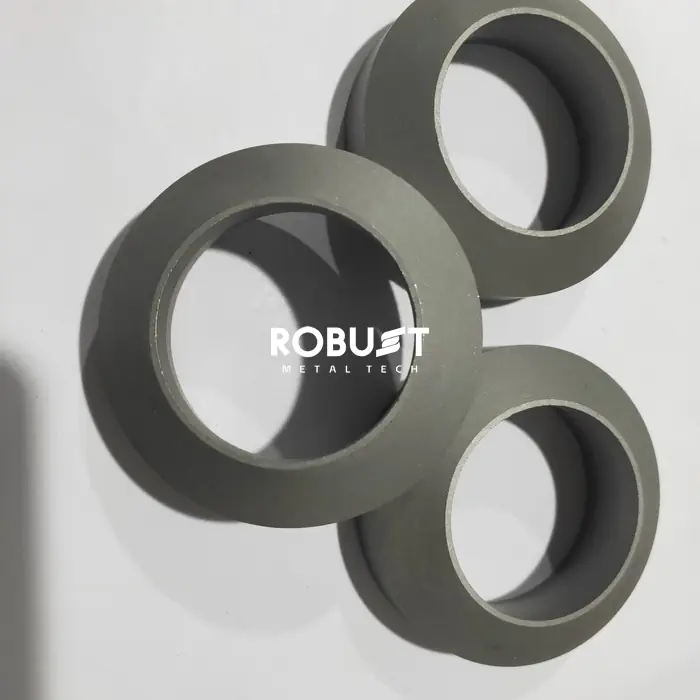
  • Carbide Inserts for Milling and Cutting Tools | Tungsten Carbide Industrial Cutting Solutions-2-ROBUST
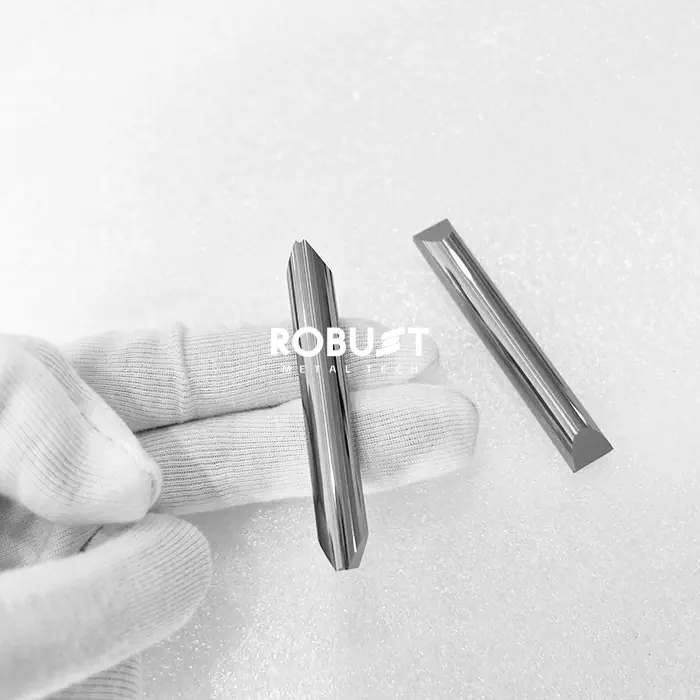
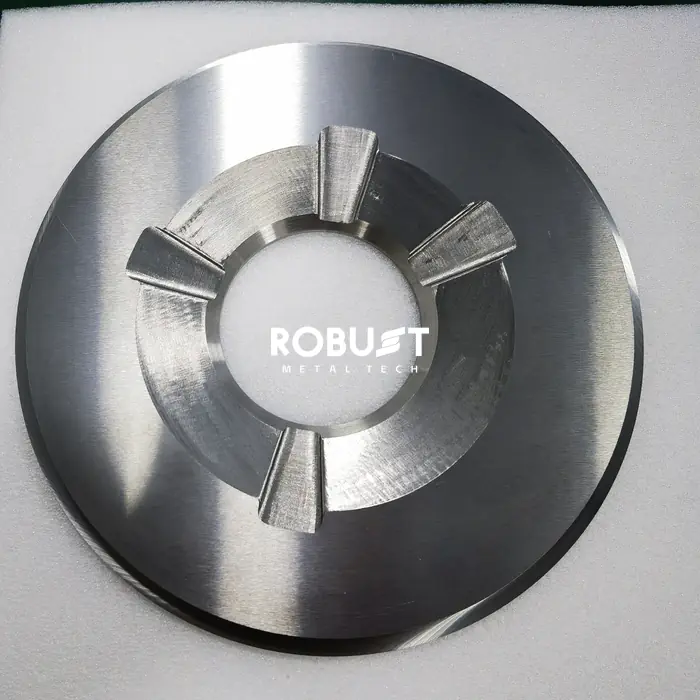
  • Carbide Inserts for Milling and Cutting Tools | Tungsten Carbide Industrial Cutting Solutions-3-ROBUST
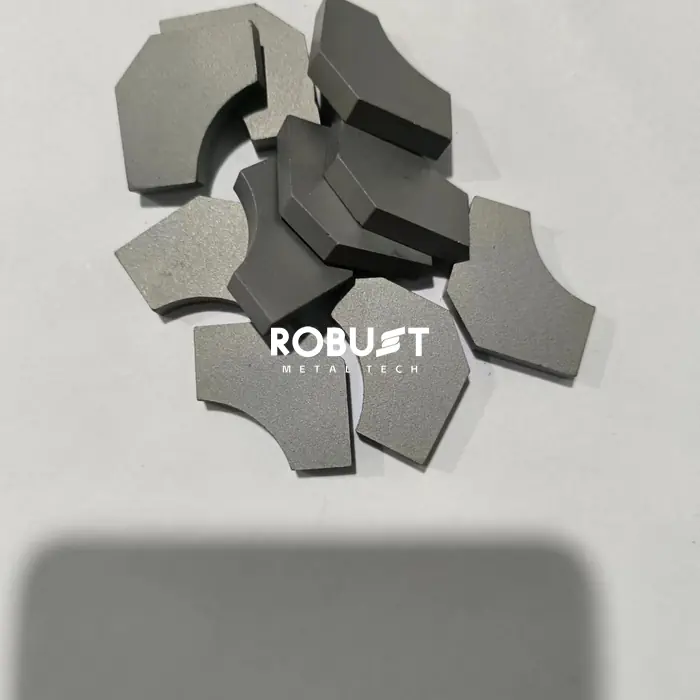
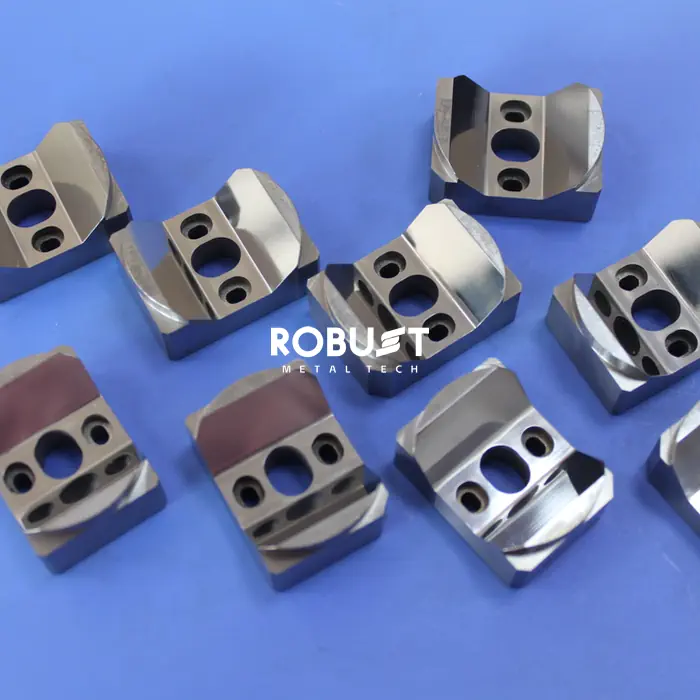
  • Carbide Inserts for Milling and Cutting Tools | Tungsten Carbide Industrial Cutting Solutions-4-ROBUST
Carbide Inserts for Milling and Cutting Tools | Tungsten Carbide Industrial Cutting Solutions-1-ROBUSTCarbide Inserts for Milling and Cutting Tools | Tungsten Carbide Industrial Cutting Solutions-2-ROBUSTCarbide Inserts for Milling and Cutting Tools | Tungsten Carbide Industrial Cutting Solutions-3-ROBUSTCarbide Inserts for Milling and Cutting Tools | Tungsten Carbide Industrial Cutting Solutions-4-ROBUST

Carbide Inserts for Milling and Cutting Tools | Tungsten Carbide Industrial Cutting Solutions

5out of5 based on7 reviews | Write a review
  • Carbide inserts are high-performance cutting tools made from tungsten carbide particles bonded with cobalt or nickel binder.

    They offer extreme hardness, wear resistance, and thermal stability for high-speed machining applications.

    They are widely used in milling, turning, cutting, and industrial metal processing operations.

Description

1. What Are Carbide Inserts

Carbide inserts, commonly known as tungsten carbide cutting tools, are composite materials made from hard carbide particles.

The main component is tungsten carbide (WC) bonded with a metallic binder such as cobalt (Co).

This structure provides a balance of hardness, toughness, and heat resistance.

Cemented carbide blade is a high-performance cutting tool made from a metal matrix composite.

It is produced through powder metallurgy, where hard ceramic particles are cemented by a metallic binder.

2. Key Properties of Carbide Inserts

Extreme Hardness

It ranks just below diamond on the hardness scale.

This allows the cutting edge to stay sharp for a long time compared to HSS tools.

Thermal Stability

Carbide inserts can withstand high temperatures during high-speed cutting.

They maintain hardness even when conventional steel tools lose strength.

Wear Resistance

Ideal for abrasive materials such as fiberglass, MDF, and reinforced plastics.

Provides long service life and stable cutting performance.

3. Applications of Carbide Inserts

TypeUsageBenefits
Circular Saw BladesCutting hardwoods, laminates, and non-ferrous metalsClean cuts, less frequent sharpening
Industrial KnivesPaper slitting, textile cutting, packagingReduced downtime for blade changes
Scraper BladesRemoving glue, paint, rustLong service life on hard surfaces
Milling InsertsCNC machining and metal removalHigh-speed cutting performance

Video

FAQs

1. Is "Cemented Carbide" the same as "Tungsten Carbide"?

Mostly yes.

In industry, the terms are often used interchangeably.

Tungsten carbide (WC) is the most common hard phase used in cemented carbide tools.

2. Why is my carbide blade chipping?

Carbide is hard but brittle.

Chipping usually happens due to interrupted cuts, vibration, or thermal shock.

Reliable Carbide Inserts for Milling and Cutting Tools | Tungsten Carbide Industrial Cutting Solutions Manufacturer & Supplier in China

Robust provides high-quality Carbide Inserts for Milling and Cutting Tools | Tungsten Carbide Industrial Cutting Solutions solutions for industrial, high-temperature, and precision engineering applications worldwide.

OEM & ODM Support | Fast Delivery | Factory Direct Price

We use cookies to ensure you get the best experience on our website. Privacy Policy.