 View Product ↗
01
Product Description
Technical details, material information and manufacturing notes for this product.
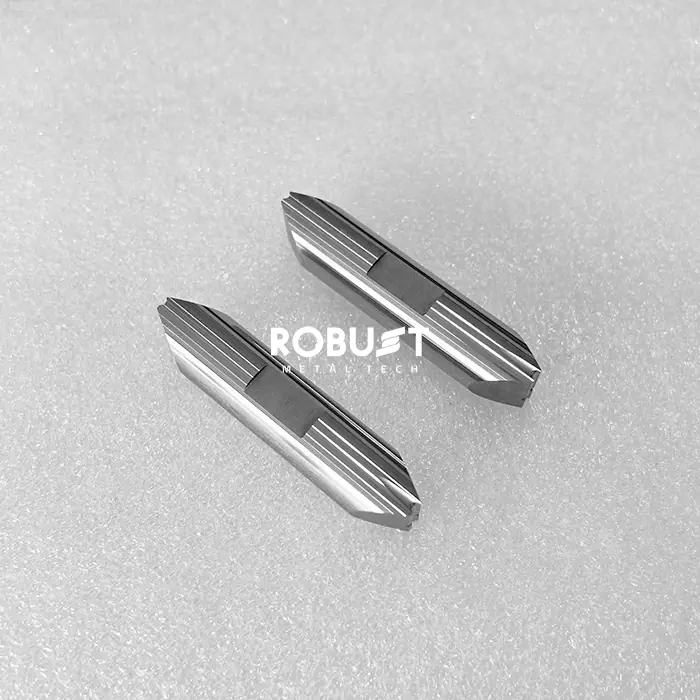
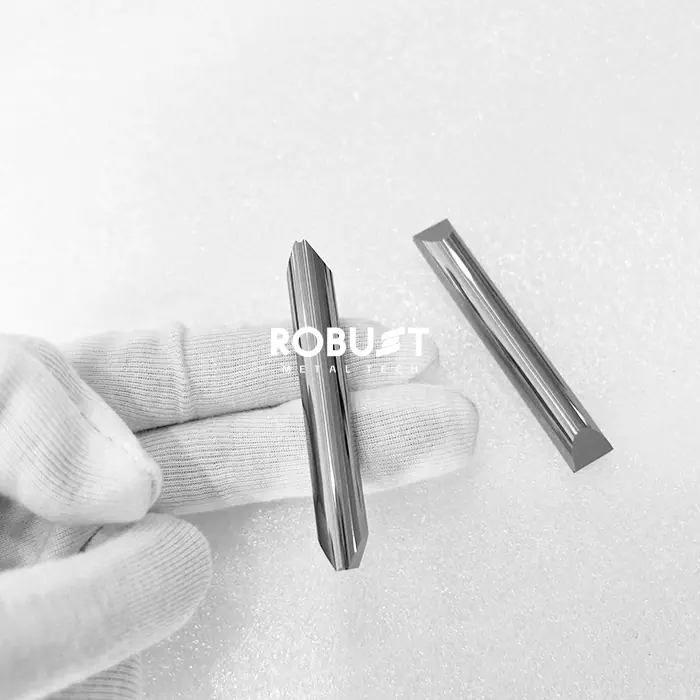
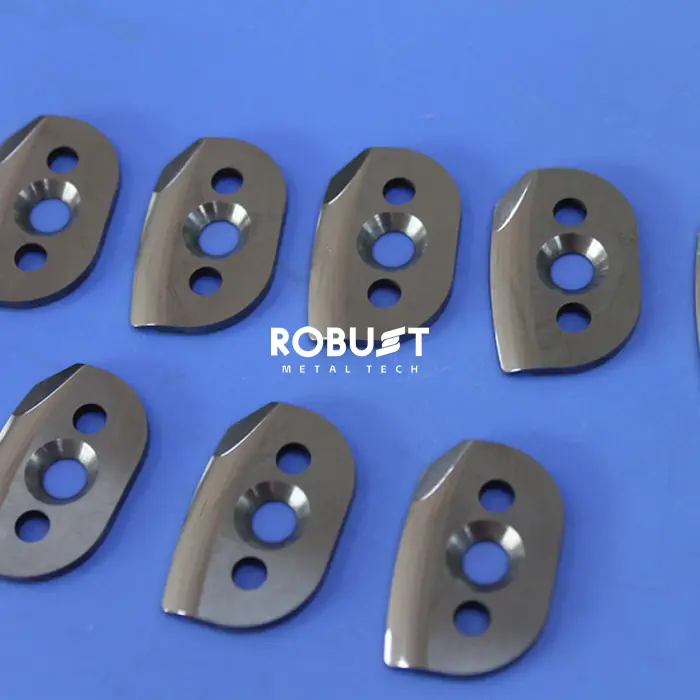
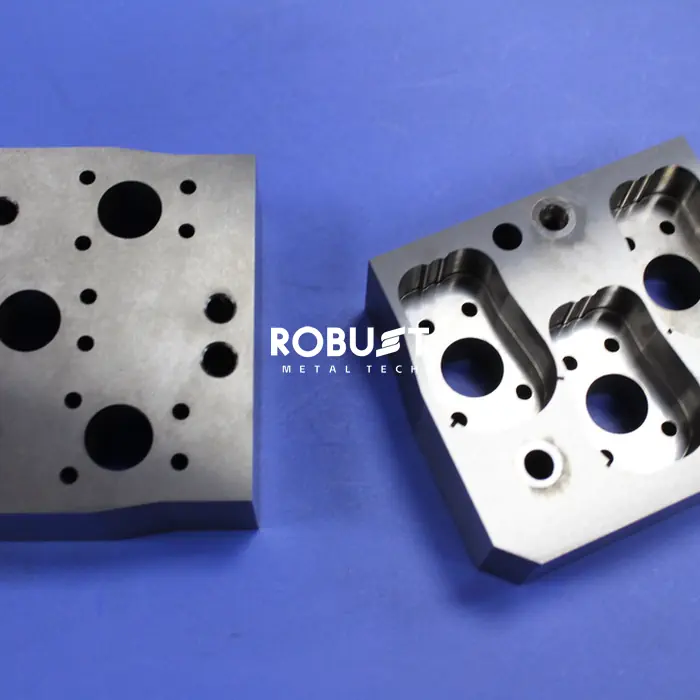
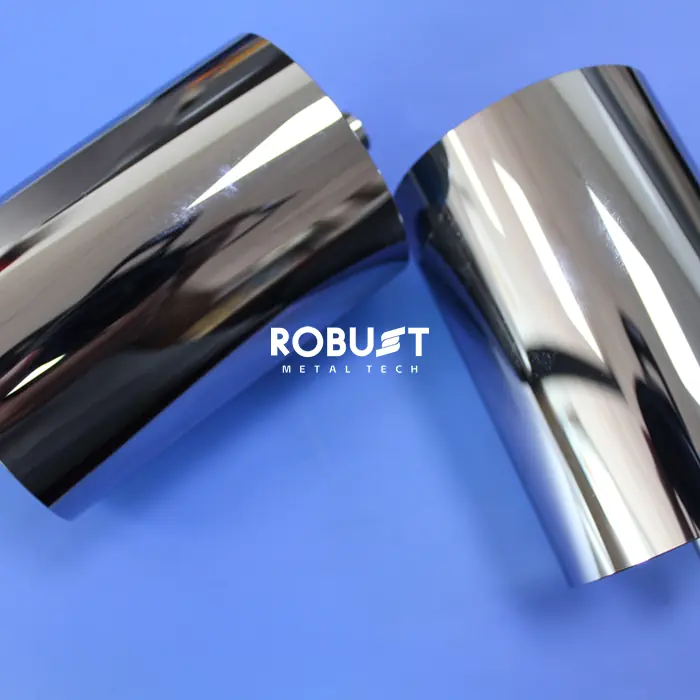
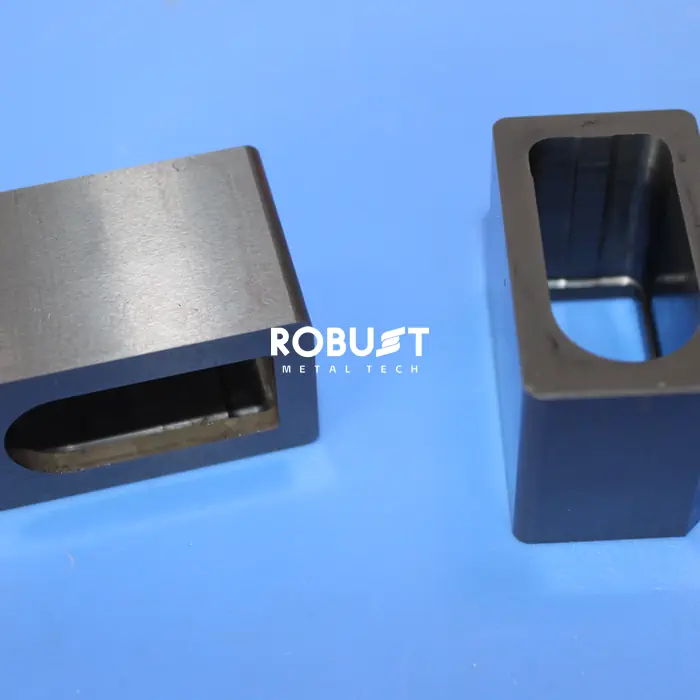
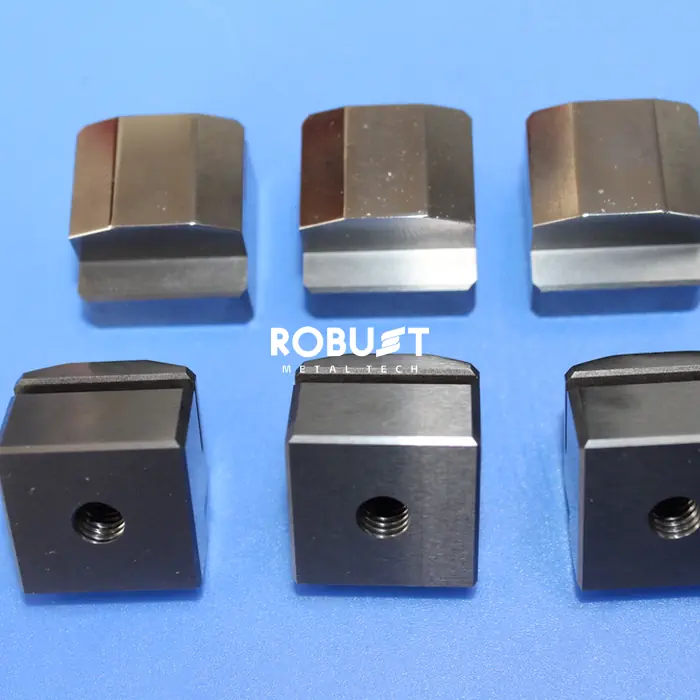
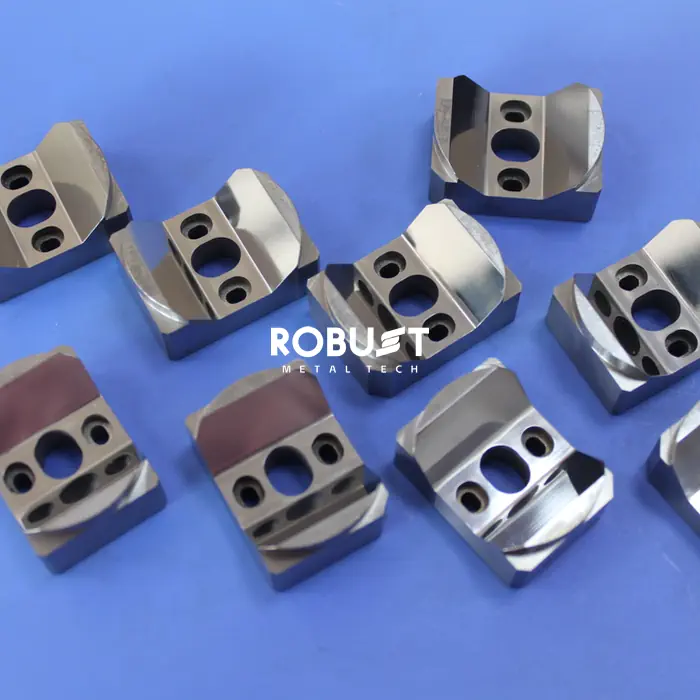
Cemented Carbide Parts for Industrial Applications
Cemented carbide parts are commonly known as tungsten carbide or simply carbide components.
Cemented carbide is a composite material consisting of hard carbide particles (primarily tungsten carbide, WC) bonded together by a metallic binder (usually cobalt, Co).
This structure creates materials that are extremely hard, wear-resistant, and capable of operating under high temperature and high-speed industrial conditions.
In industrial manufacturing, cemented carbide parts are widely used where steel components would fail due to wear or deformation.
Key Physical Properties
Extreme Hardness: It ranks between 9 and 9.5 on the Mohs scale, just below diamond, making it highly resistant to wear and deformation.
High Density: Cemented carbide is significantly heavier than steel, providing stability in high-speed applications.
Thermal Stability: It maintains hardness at temperatures up to 700°C to 1000°C where steel would soften.
Compression Strength: It has very high resistance to crushing forces, but is more brittle than steel under impact loads.
Part Category | Examples | Why Carbide |
Cutting Tools | CNC Inserts, End mills, Drill bits, Saw blades | Maintains sharp edge longer and supports higher cutting speed |
Wear Parts | Nozzles, Seals, Bushings, Valves | Resists abrasion from fluids and particles |
Mining Tools | Rock bits, DTH buttons, Road milling teeth | Withstands extreme impact and abrasive environments |
Forming Dies | Wire drawing dies, Cold heading dies | Maintains dimensional accuracy under high pressure |
04
Related Technical Resources
Material guides, application notes and manufacturing knowledge from ROBUST.
05