Titanium Plates Grades, Properties, Processing and Industrial Applications
-
1. High Strength-to-Weight Ratio: Stronger than many steels but nearly 45% lighter.
2.Superior Corrosion Resistance: Virtually immune to salt water, chlorides, and most acids.
3.Biocompatibility: Non-toxic and non-rejected by the human body, allowing for osseointegration.
4.Extreme Temperature Range: Maintains structural integrity from cryogenic levels up to 400°C–500°C.
5.Non-Magnetic: Ideal for use in medical imaging (MRI) and sensitive electronic shielding.
Description
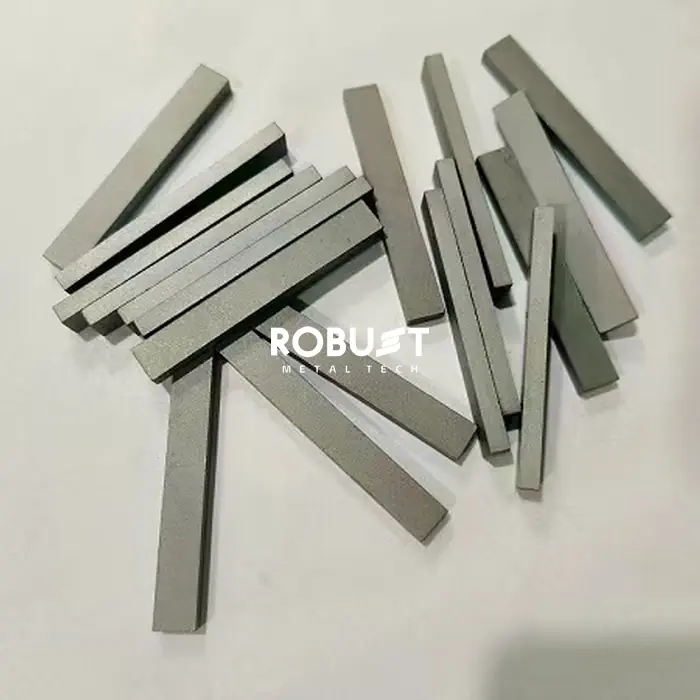
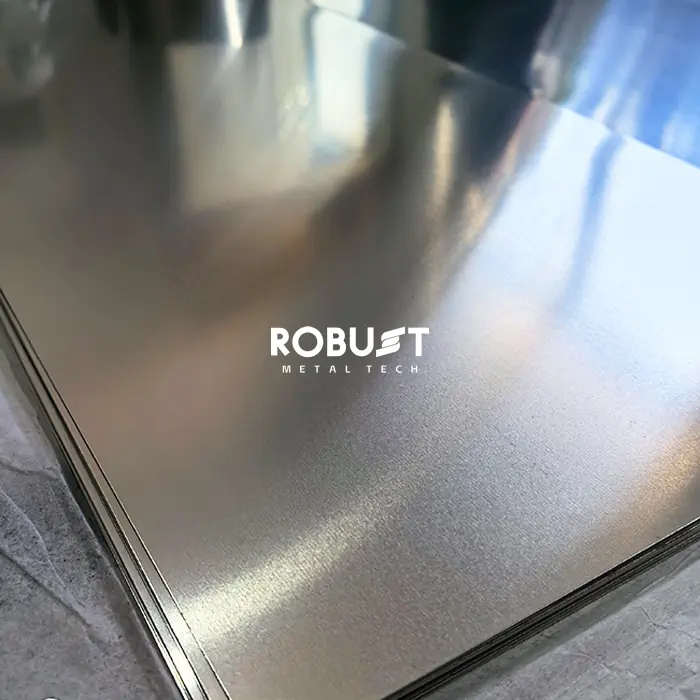
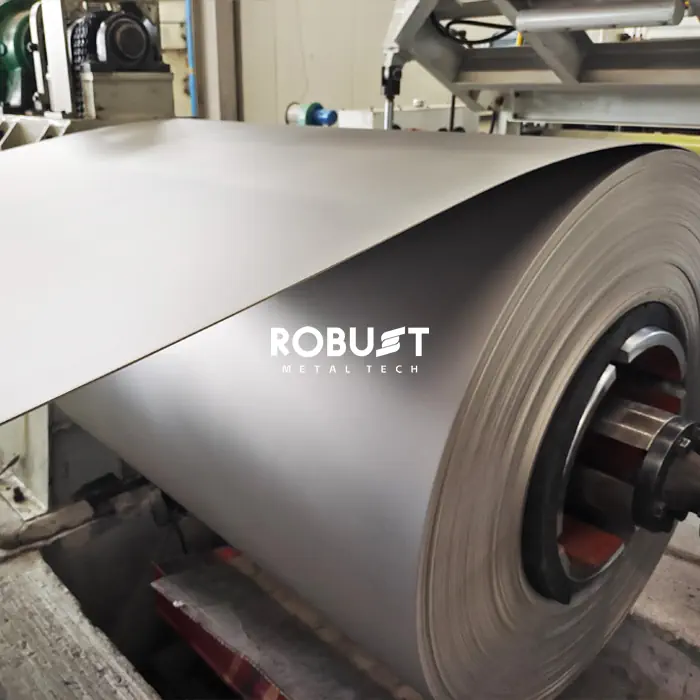
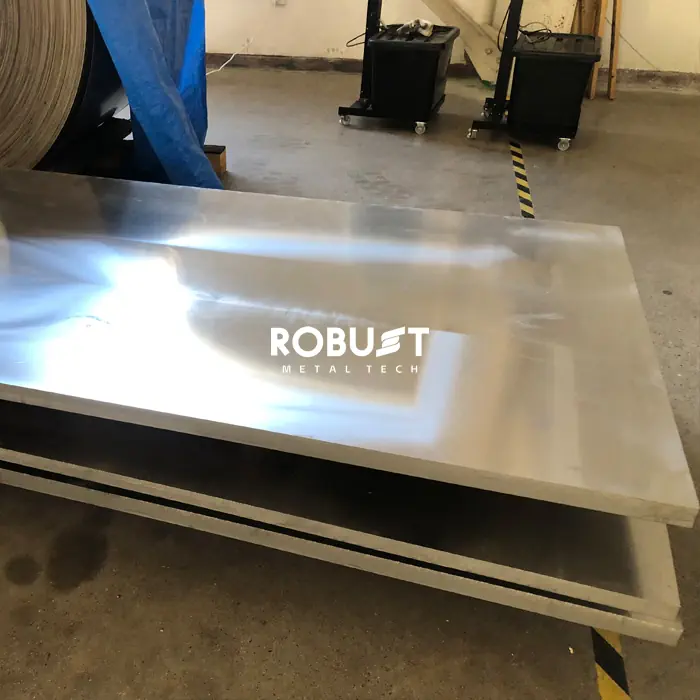
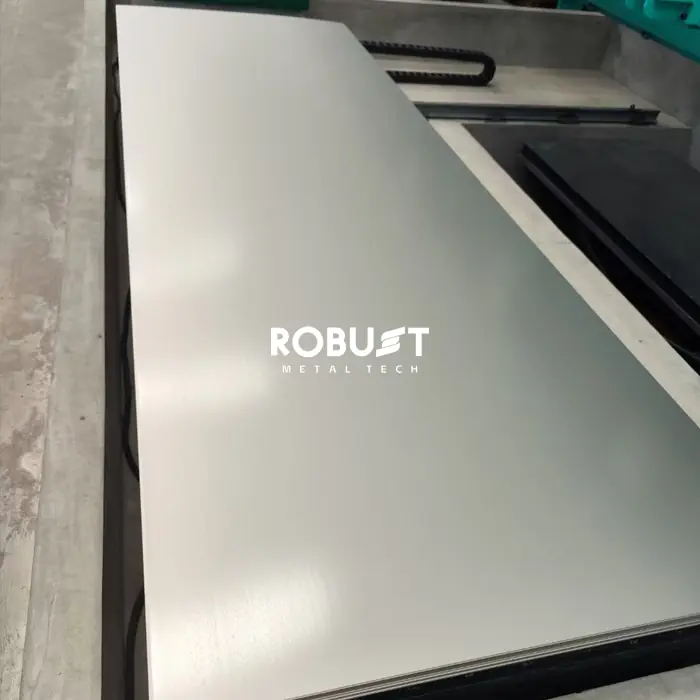
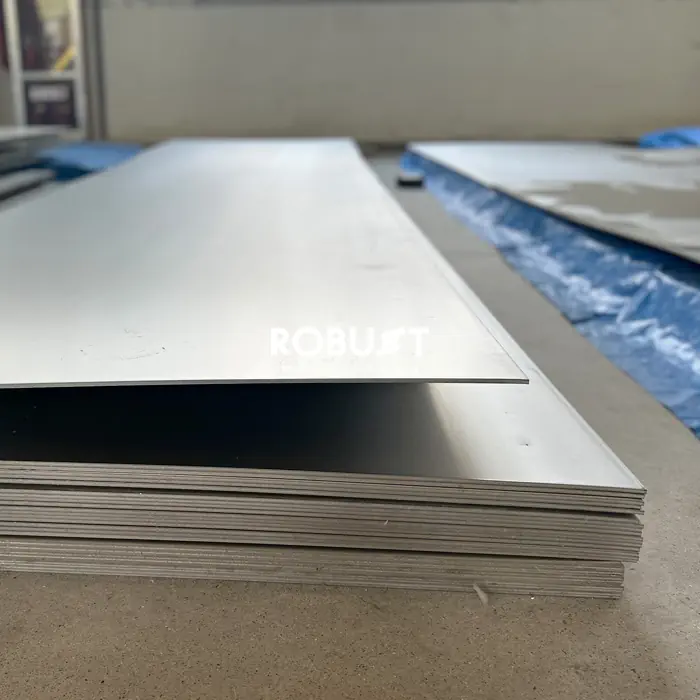
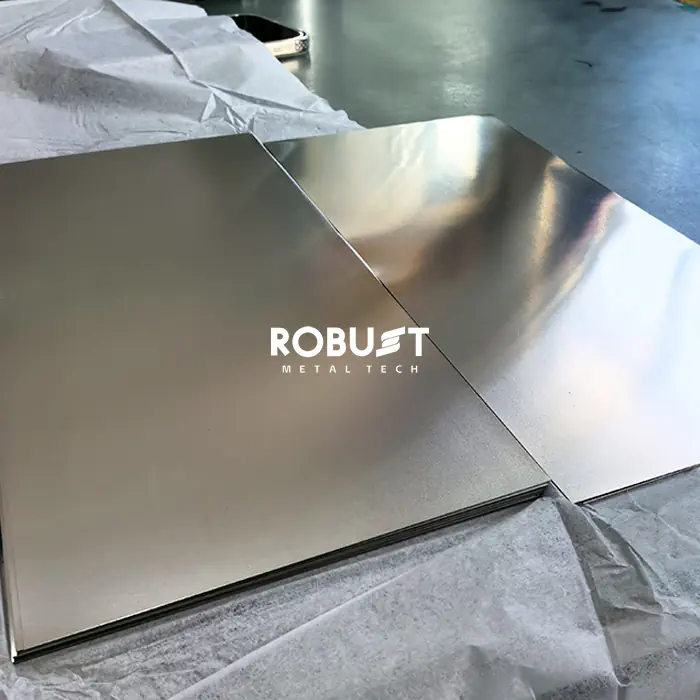
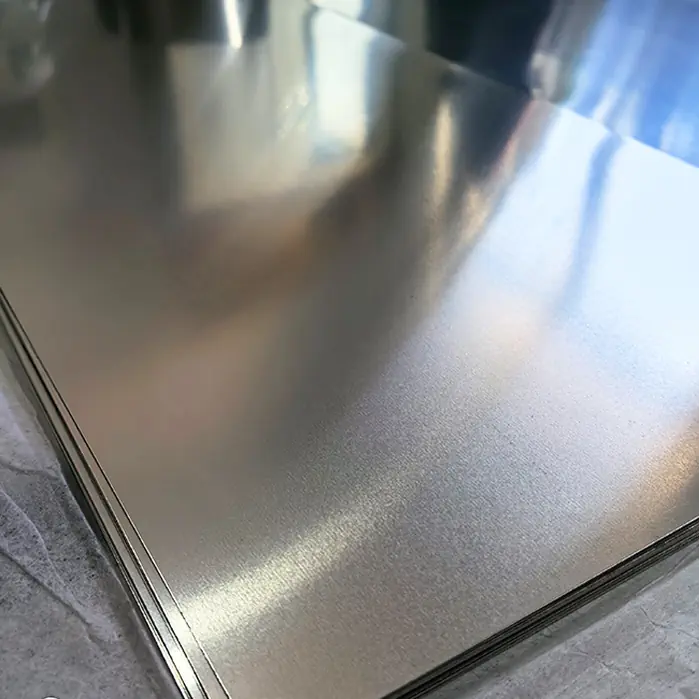
Titanium plate
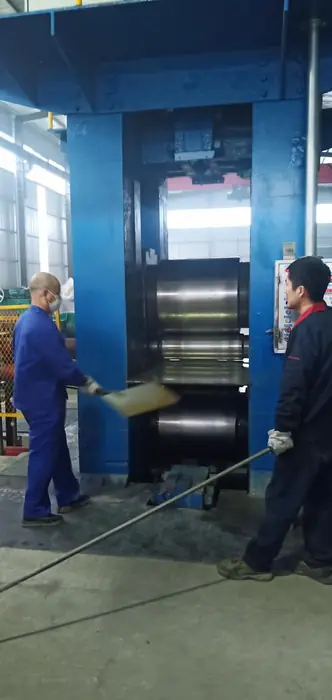
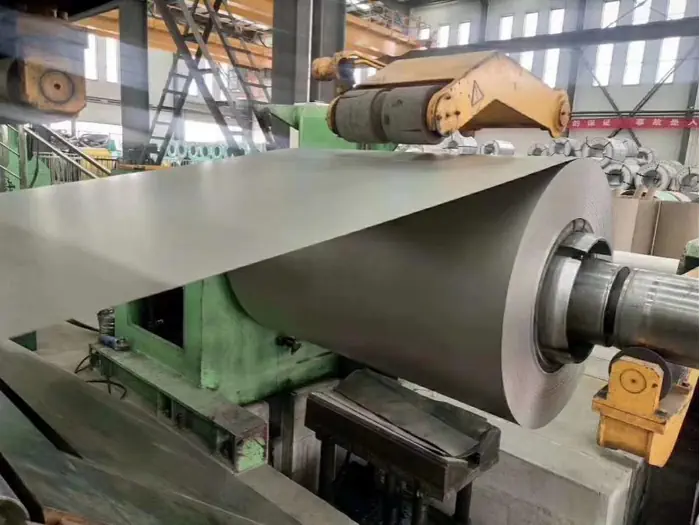
Titanium plate is a high-strength, low-density structural material known for its exceptional corrosion resistance and biocompatibility. Titanium plates are typically produced from chemically pure titanium or specific titanium alloys (like Ti-6Al-4V) through vacuum melting, forging, and rolling processes.
Because titanium forms a stable, protective oxide layer instantly upon exposure to air, it is the premier choice for environments ranging from deep-sea exploration to human bone replacement.
Titanium plate processing technology:
Cutting: Waterjet cutting is the preferred method because it does not create a Heat Affected Zone (HAZ). Plasma cutting can be used but requires significant edge grinding afterward to remove contaminated metal.
Welding: Large plates require multi-pass welding. Maintaining a perfect Argon gas shield (purging) is essential to prevent the weld from becoming brittle.
Machining: Because plates are often used as "blanks," they are frequently milled down. This produces a high volume of titanium "chips," which are flammable and must be managed carefully.
1. Common Grades & Specifications
Buyers select titanium grades based on the balance between "Formability" (Pure Grades) and "Mechanical Strength" (Alloyed Grades).
Grade | Type | Composition | ASTM Standard | Primary Use Case |
Grade 1 | CP (Pure) | Low Oxygen | ASTM B265 | Deep drawing, heat exchangers (highest ductility) |
Grade 2 | CP (Pure) | Standard Oxygen | ASTM B265 | Chemical processing, desalination (most common) |
Grade 5 | Alloy | Ti-6Al-4V | ASTM B265 / F136 | Aerospace components, surgical implants |
Grade 7 | Alloy | Ti-0.2Pd | ASTM B265 | Extreme acidic environments (Palladium enhanced) |
Grade 23 | Alloy | Ti-6Al-4V ELI | ASTM F136 | Medical staples, orthopedic pins (extra-low interstitials) |
2. Available Product Forms & Dimensions
Titanium plates are processed via hot-rolling or cold-rolling and are often supplied in annealed condition to relieve internal stress.
Product Form | Typical Thickness | Typical Dimensions | Common Finish |
Thin Sheet | 0.5 mm to 4.0 mm | 1000 mm x 2000 mm | Cold Rolled, Pickled, or Bright |
Medium Plate | 4.1 mm to 20 mm | 2000 mm x 6000 mm | Hot Rolled, Sandblasted |
Thick Plate | 20 mm to 100 mm | Custom Cut-to-size | Machined or Forged Surface |
Perforated Plate | 1 mm to 5 mm | Per Blueprint | Waterjet Cut / Punched |
3. Physical Properties
Grade | Density (g/cm3) | Tensile Strength (MPa) | Yield Strength (MPa) | Elongation (%) |
Grade 1 | 4.51 | 240 | 170 | 24% |
Grade 2 | 4.51 | 345 | 275 | 20% |
Grade 5 | 4.43 | 895 | 825 | 10% |
Grade 23 | 4.43 | 860 | 795 | 10% |
Video
Image Gallery
FAQs
1. "What is the difference between CP Grade 2 and Grade 5?"
This is the most frequent technical hurdle.
The Answer: Grade 2 is "Commercially Pure" titanium, preferred for its corrosion resistance and ease of welding. Grade 5 is an "Alpha-Beta Alloy," which is heat-treatable and significantly stronger, used where structural load-bearing is the priority.
2. "Is the plate Medical Grade or Industrial Grade?"
Medical applications require much stricter control over interstitial elements (Oxygen, Nitrogen, Carbon).
The Answer: For medical implants, buyers must request ASTM F136 (Grade 23) or ASTM F67. For industrial chemical tanks, ASTM B265 is the standard.
3. "How do you prevent 'Galling' during machining or assembly?"
Titanium has a tendency to "seize" or cold-weld to cutting tools or mating bolts.
The Solution: Suppliers recommend specialized coatings (like TiAlN), high-pressure coolants, or the use of anti-seize lubricants during installation.
4. "Can titanium plates be welded to other metals like Steel?"
Direct fusion welding of titanium to steel creates brittle intermetallic compounds that fail instantly.
The Answer: No, titanium cannot be traditionally welded to steel. It requires "Explosion Bonding" (clad plates) or specialized transition joints.
5. "What surface finish is best for corrosion resistance?"
While titanium is naturally resistant, the surface state matters for specific environments.
The Choice: A Pickled (Acid Washed) surface is standard for removing mill scale. For high-purity electronics, a Mirror Polished or Milled surface is preferred to eliminate hidden contaminants in surface pores.
Literature
Reliable Titanium Plates Grades, Properties, Processing and Industrial Applications Manufacturer & Supplier in China
Robust provides high-quality Titanium Plates Grades, Properties, Processing and Industrial Applications solutions for industrial, high-temperature, and precision engineering applications worldwide.
OEM & ODM Support | Fast Delivery | Factory Direct Price