Hit enter to search or ESC to close

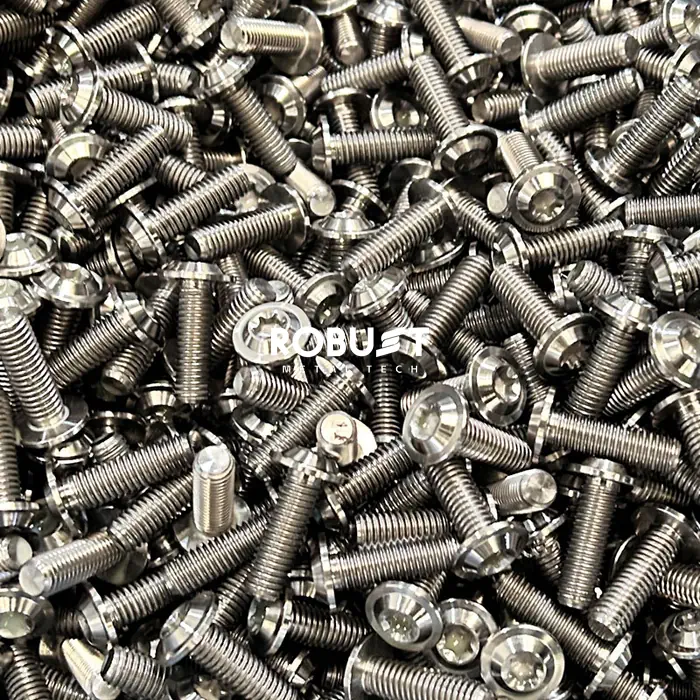
  • Titanium fasteners—including bolts, screws, nuts, washers-1-ROBUST
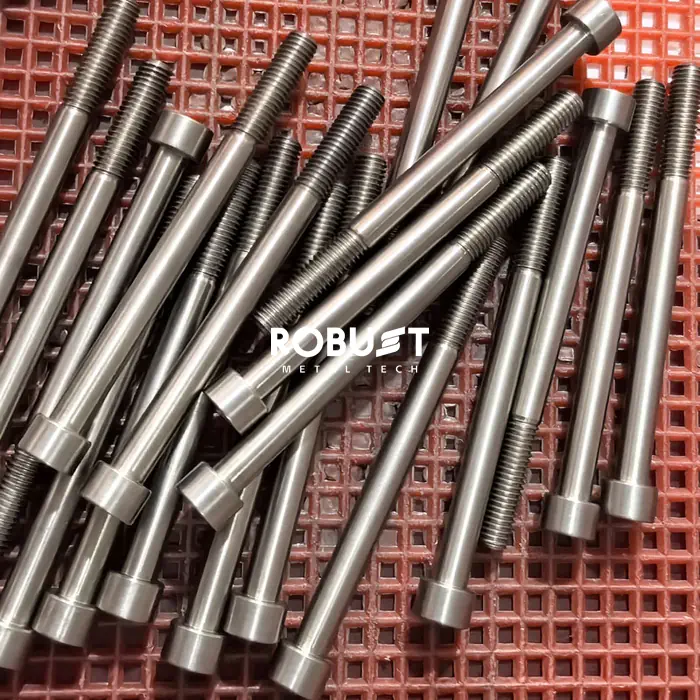
  • Titanium fasteners—including bolts, screws, nuts, washers-2-ROBUST
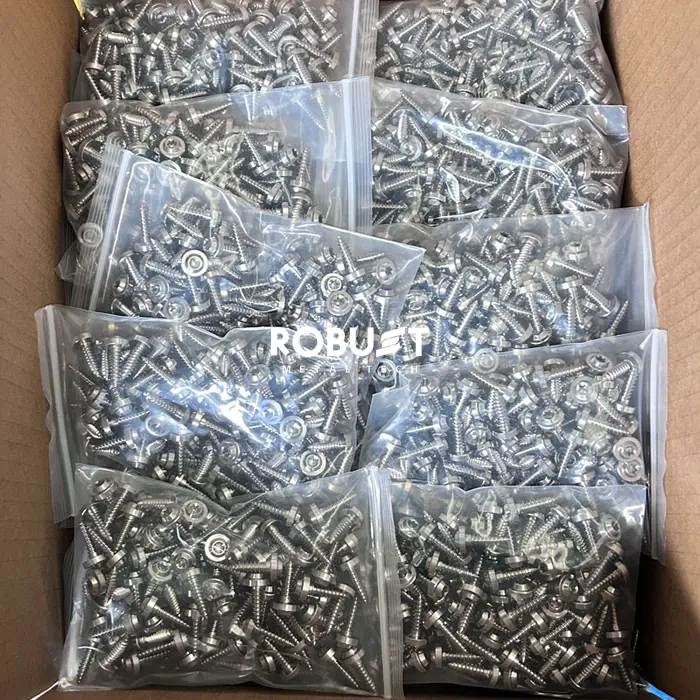
  • Titanium fasteners—including bolts, screws, nuts, washers-3-ROBUST
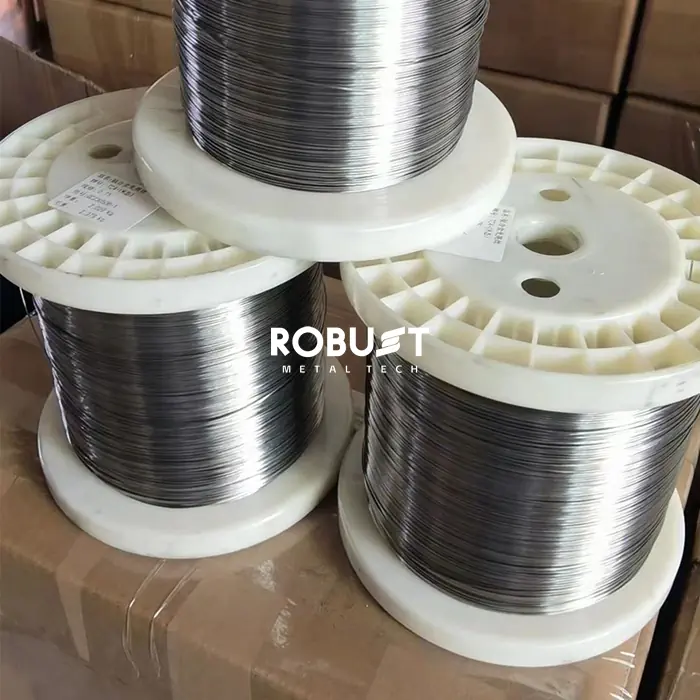
  • Titanium fasteners—including bolts, screws, nuts, washers-4-ROBUST
Titanium fasteners—including bolts, screws, nuts, washers-1-ROBUSTTitanium fasteners—including bolts, screws, nuts, washers-2-ROBUSTTitanium fasteners—including bolts, screws, nuts, washers-3-ROBUSTTitanium fasteners—including bolts, screws, nuts, washers-4-ROBUST

Titanium fasteners—including bolts, screws, nuts, washers

5out of5 based on12 reviews | Write a review
  • 1. Strength-to-Weight Advantage: Offers the strength of high-grade steel bolts (like Grade 8.8) but at roughly 57% of the weight.

    2. Corrosion & Saltwater Immunity: Unlike steel, they do not rust or "bleed" orange streaks, even after decades of submersion in seawater.

    3. Non-Magnetic: Ideal for medical devices, MRI equipment, and sensitive electronics where magnetic interference must be zero.

    4. Anti-Fatigue: High resistance to vibration and cyclic stress, preventing the "snapping" common in brittle high-carbon steel.

    5. Biocompatible: Often used in bone fixation and dental implants because they are non-toxic to human tissue.

Description

Titanium Fasteners

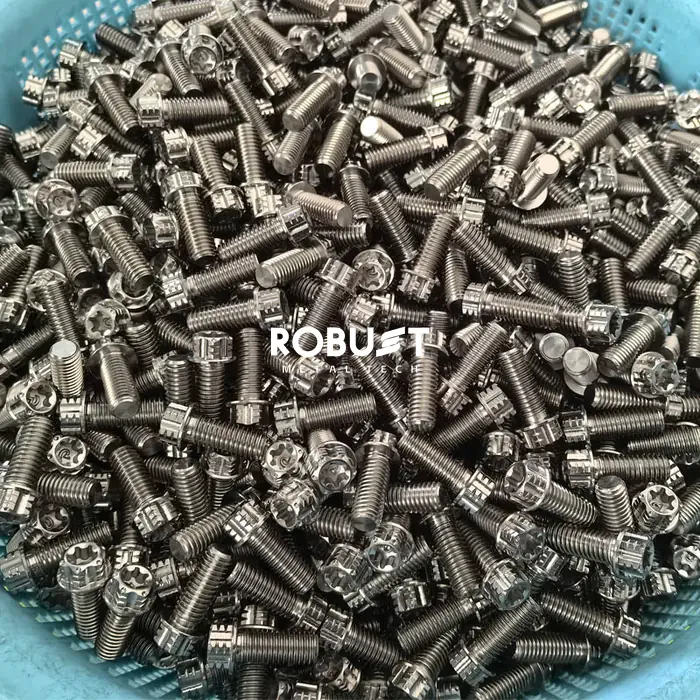
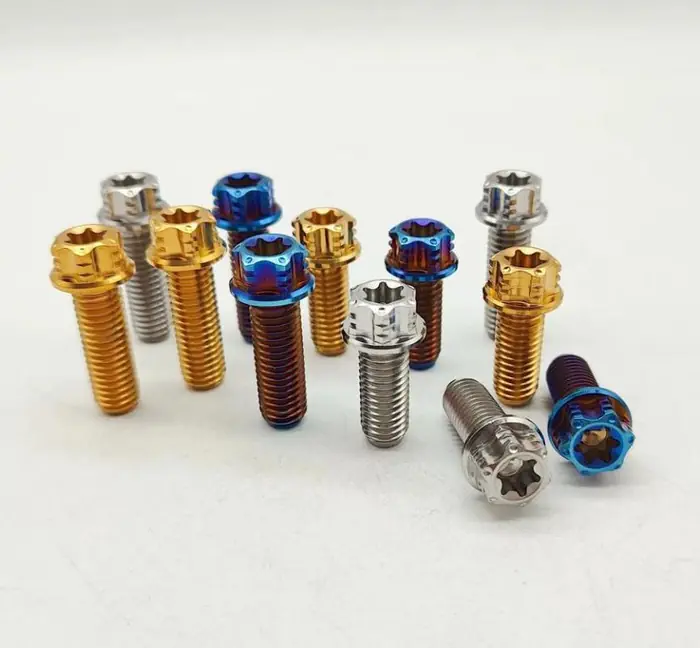
Titanium fasteners—including bolts, screws, nuts, and washers—are the preferred hardware for applications where high strength, low weight, and total resistance to environmental degradation are required. While stainless steel fasteners are common, titanium fasteners are used when the cost of failure or the weight penalty of steel is too high.

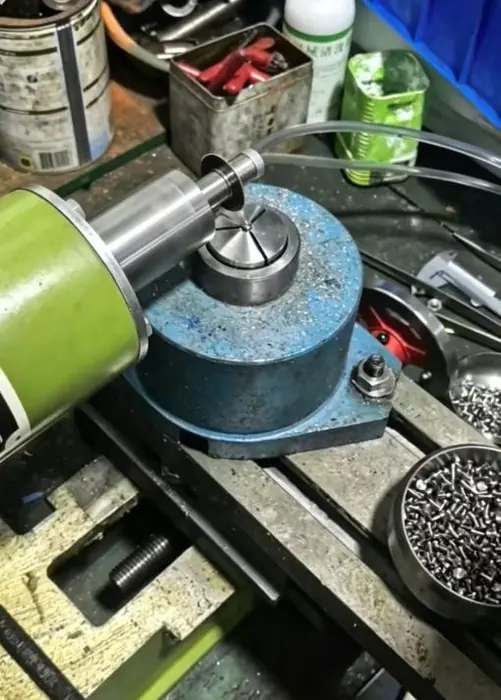
They are primarily manufactured through Cold Heading (for smaller sizes) or Hot Forging (for larger/high-strength bolts) followed by precision thread rolling.
 

Titanium-fasteners-1.webp

1. Common Grades & Specifications

Fastener selection is almost always a choice between Grade 2 (for chemistry/corrosion) and Grade 5 (for structural strength).

Grade

Strength Type

Tensile Strength

Primary Use Case

Grade 2

Standard

~345 MPa

Chemical tanks, pool equipment, marine trim

Grade 5

High Strength

~895 MPa

Racing (bikes/cars), aerospace, turbines

Grade 23

Medical

~860 MPa

Surgical implants, high-end orthodontic tools


2. Available Head Styles & Drive Types

Titanium is versatile enough to be machined into any standard fastener configuration.

Head Style

Common Drive

Typical Application

Hex Head

Wrench/Socket

Structural framing, engine mounts

Socket Cap

Allen/Hex Key

Aerospace components, precision machinery

Torx (6-Lobe)

Torx Bit

High-torque electronics, disc brake rotors

Countersunk

Phillips/Flat

Flush-mount panels, marine decks

12-Point

Multi-hex Socket

Extreme torque aerospace "flange" bolts


3. Thread Manufacturing: Cut vs. Rolled

How the threads are made is the single most important factor for titanium bolt safety.

Rolled Threads (Preferred): The metal is squeezed into shape. This compresses the grain structure, making the threads much stronger and significantly more resistant to fatigue. All aerospace and racing bolts use rolled threads.

Cut Threads: Material is removed by a lathe. This "cuts" the grain flow, creating weak points at the root of the thread. These are generally only used for low-load decorative or chemical applications.
Titanium-fasteners-2.webp


Video

FAQs

1. "What is 'Galling' and how do I prevent it with titanium bolts?"

The Problem: Titanium has a high friction coefficient. If you tighten a titanium nut onto a titanium bolt too quickly without lubrication, they can "cold-weld" together instantly, becoming permanently stuck

The Solution: Always use Anti-Seize lubricant (usually nickel or copper-based) during installation. This ensures smooth torque and allows for future removal.

2. "Are titanium bolts as strong as Grade 12.9 steel bolts?"

The Answer: No. While Grade 5 Titanium is roughly equivalent to a Grade 8.8 steel bolt, it is not quite as strong as a "Ultra-High Strength" 12.9 steel bolt. However, it will never rust, whereas 12.9 steel is highly prone to corrosion.

3. "Can I use titanium fasteners in an aluminum frame?"

The Answer: Yes, but with caution. Titanium and aluminum are relatively close on the galvanic scale, but in saltwater environments, the aluminum may still corrode. Using an anti-corrosion paste or anodized titanium can help mitigate this.

4. "What is the 'Torque' setting for titanium?"

The Answer: Because titanium is more elastic (stretchy) than steel, torque values are usually lower than for an equivalent steel bolt. Over-torquing can stretch the bolt beyond its yield point. Always refer to a titanium-specific torque chart.

5. "Why are titanium bolts colored?"

The Answer: Like wire and rod, fasteners are often Anodized. This isn't just for looks; the oxide layer provides a slight increase in surface hardness and can act as a dry lubricant to help prevent galling.

Reliable Titanium fasteners—including bolts, screws, nuts, washers Manufacturer & Supplier in China

Robust provides high-quality Titanium fasteners—including bolts, screws, nuts, washers solutions for industrial, high-temperature, and precision engineering applications worldwide.

OEM & ODM Support | Fast Delivery | Factory Direct Price

We use cookies to ensure you get the best experience on our website. Privacy Policy.