Hit enter to search or ESC to close

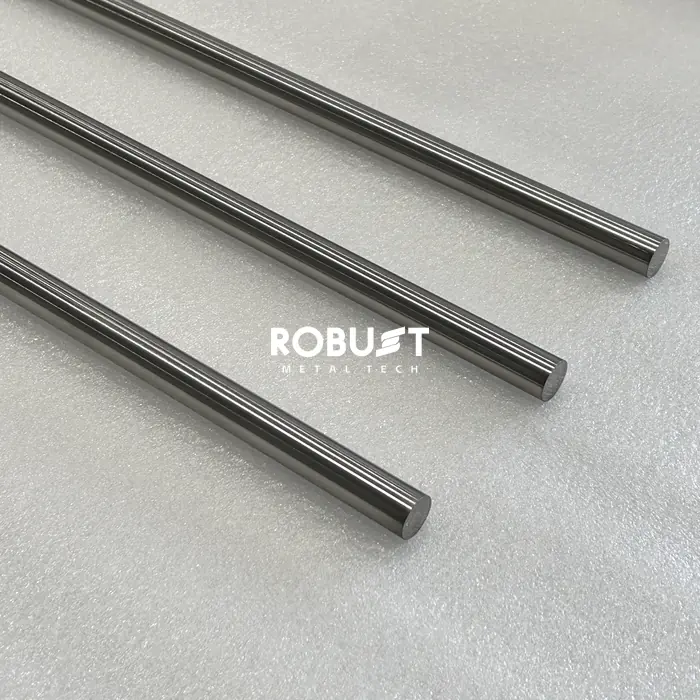
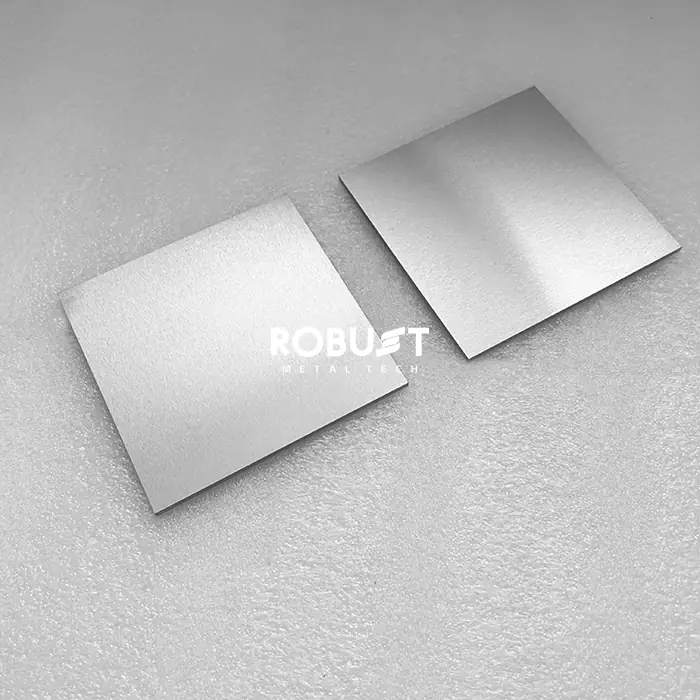
  • Tantalum Plate and Sheet (ASTM B708) for Chemical Processing and Vacuum Industry-1-ROBUST
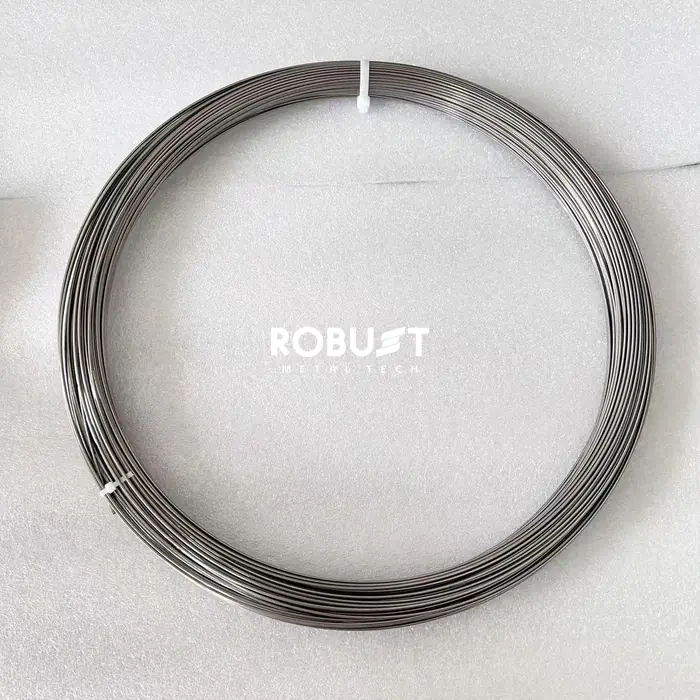
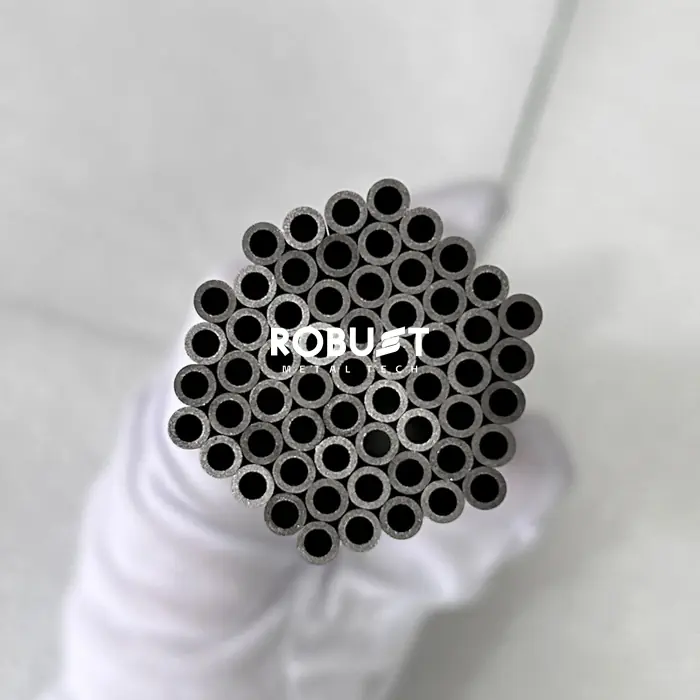
  • Tantalum Plate and Sheet (ASTM B708) for Chemical Processing and Vacuum Industry-2-ROBUST
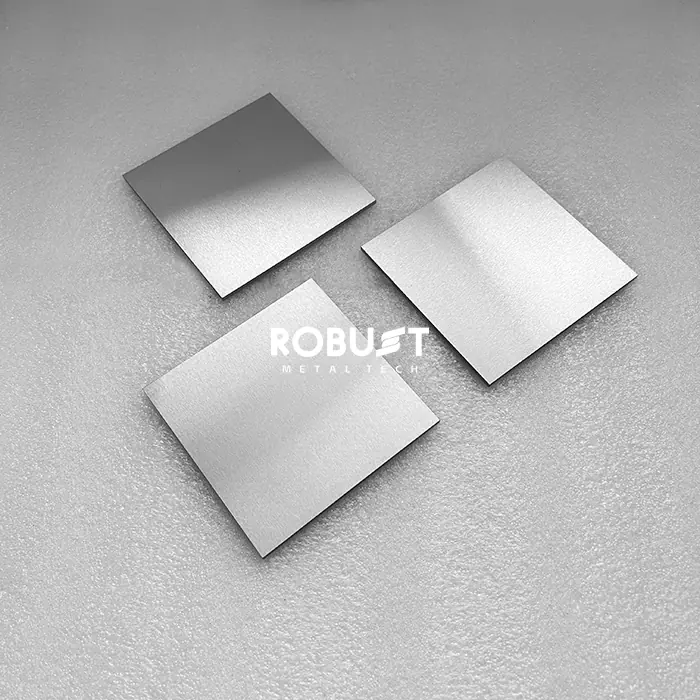
  • Tantalum Plate and Sheet (ASTM B708) for Chemical Processing and Vacuum Industry-3-ROBUST
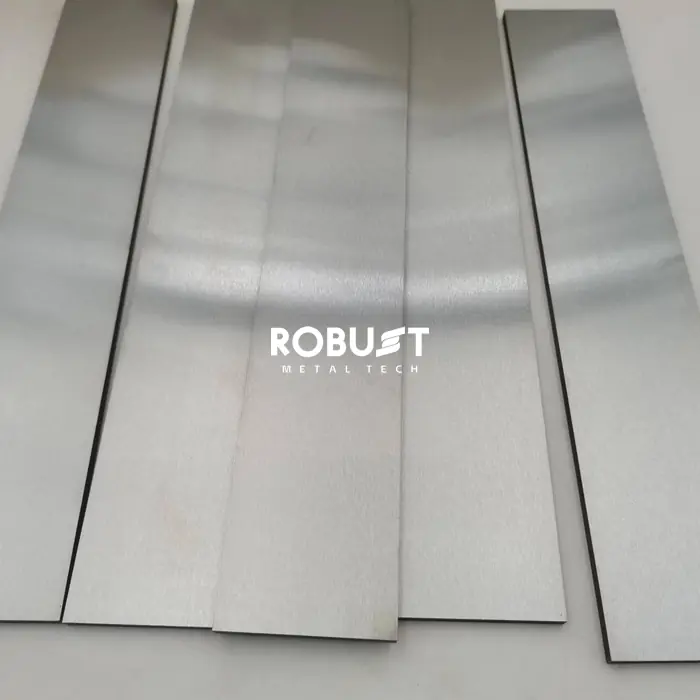
Tantalum Plate and Sheet (ASTM B708) for Chemical Processing and Vacuum Industry-1-ROBUSTTantalum Plate and Sheet (ASTM B708) for Chemical Processing and Vacuum Industry-2-ROBUSTTantalum Plate and Sheet (ASTM B708) for Chemical Processing and Vacuum Industry-3-ROBUST

Tantalum Plate and Sheet (ASTM B708) for Chemical Processing and Vacuum Industry

5out of5 based on28 reviews | Write a review
  • Tantalum plate and sheet are high-purity ASTM B708 flat-rolled materials with excellent corrosion resistance, high ductility, and strong stability in extreme environments. They resist strong acids and perform well in high-temperature vacuum conditions. Widely used in chemical, medical, aerospace, and semiconductor industries, they offer reliable performance, long service life, and good machinability for precision and industrial applications requiring high purity and durability.

Description

Tantalum Plate / Sheet Overview

Tantalum plates and sheets are premium flat-rolled refractory metal products.

They are manufactured from pure tantalum or tantalum alloys.

They offer excellent corrosion resistance, ductility, and thermal stability.

Tantalum is known as a noble refractory metal.

It resists acids that can dissolve platinum.

It also provides outstanding formability at room temperature.

1. Dimensional Standards (ASTM B708)

Flat tantalum products are classified under ASTM B708 standard.

Tantalum Foil / Strip

Thickness below 0.13 mm.

Usually supplied in coil form for precision applications.

Tantalum Sheet

Thickness from 0.13 mm to 4.75 mm.

Used in industrial fabrication and chemical equipment.

Tantalum Plate

Thickness above 4.75 mm.

Used for heavy-duty structural and machining applications.

2. Key Material Properties

Corrosion Resistance

Tantalum forms a stable oxide layer (Ta2O5).

It resists hydrochloric, nitric, and sulfuric acids.

Only hydrofluoric acid can attack it effectively.

Excellent Ductility

Tantalum can be cold formed without cracking.

It is suitable for stamping, bending, and deep drawing.

High Melting Point

Tantalum has a melting point of 2,996°C.

It remains stable in vacuum and high-temperature environments.

3. Common Grades (UNS Standard)

GradeCompositionApplication
R05200Pure Tantalum (Vacuum Melted)Chemical equipment, high purity forming
R05400Pure Tantalum (Powder Metallurgy)Electronics, sputtering targets
R05252Ta-2.5W AlloyHeat exchangers, chemical systems
R05255Ta-10W AlloyAerospace, high-temperature structures
R05240Ta-40Nb AlloyCost-effective chemical tanks

4. Industrial Applications

Chemical Processing Industry

Tantalum sheets are used in heat exchangers and reactors.

They resist aggressive acids and corrosion environments.

Medical Applications

Tantalum is fully biocompatible and non-toxic.

It is used in implants, surgical clips, and bone plates.

Vacuum Furnace Systems

Used in heating elements and structural supports.

Performs reliably in ultra-high temperature environments.

Defense & Aerospace

Used in high-density armor and shaped charge liners.

Offers high strength and impact resistance.

Video

FAQs

Tantalum Sheet Pricing FAQ (Market, Welding & Quality Control)

Q1: Why is tantalum sheet pricing so volatile right now?

The global tantalum market is experiencing structural supply pressure.

Ethical sourcing regulations are becoming stricter in major mining regions such as the DRC and Rwanda.

Buyers in aerospace and electronics increasingly require certified conflict-free supply chains.

At the same time, semiconductor expansion and defense industry demand are rapidly increasing.

This has led to large-scale stockpiling of tantalum materials.

As a result, raw material prices and sheet costs fluctuate significantly.

Q2: Can tantalum sheets be welded?

Yes, tantalum sheets can be welded, but only under strict environmental control.

Tantalum easily absorbs oxygen, hydrogen, and nitrogen when heated above 300°C.

This contamination causes embrittlement and reduces mechanical performance.

Therefore, welding must be performed using TIG (GTAW) or Electron Beam welding.

The process must take place in a high-purity argon shielding environment or vacuum chamber.

Q3: What documentation should I demand in my RFQ?

To ensure quality and compliance, strict documentation is required.

ASTM B708 Mill Test Certificate (MTC) confirming chemical purity must be provided.

A Conflict-Free / Responsible Sourcing Certificate is required for ethical compliance.

Grain Size Analysis is essential for stamping and deep-drawing applications.

This helps prevent surface defects such as orange peel texture during forming.

Reliable Tantalum Plate and Sheet (ASTM B708) for Chemical Processing and Vacuum Industry Manufacturer & Supplier in China

Robust provides high-quality Tantalum Plate and Sheet (ASTM B708) for Chemical Processing and Vacuum Industry solutions for industrial, high-temperature, and precision engineering applications worldwide.

OEM & ODM Support | Fast Delivery | Factory Direct Price

We use cookies to ensure you get the best experience on our website. Privacy Policy.