
Hit enter to search or ESC to close

  • Tantalum Rods and Bars ASTM B365 Supplier for Chemical, Medical and Vacuum Industry-1-ROBUST
  • Tantalum Rods and Bars ASTM B365 Supplier for Chemical, Medical and Vacuum Industry-2-ROBUST
  • Tantalum Rods and Bars ASTM B365 Supplier for Chemical, Medical and Vacuum Industry-3-ROBUST
Tantalum Rods and Bars ASTM B365 Supplier for Chemical, Medical and Vacuum Industry-1-ROBUSTTantalum Rods and Bars ASTM B365 Supplier for Chemical, Medical and Vacuum Industry-2-ROBUSTTantalum Rods and Bars ASTM B365 Supplier for Chemical, Medical and Vacuum Industry-3-ROBUST

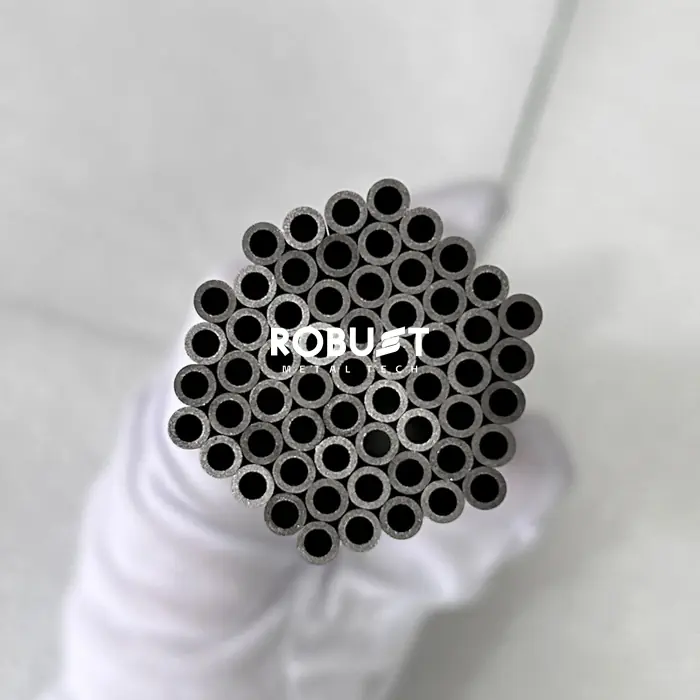
Tantalum Rods and Bars ASTM B365 Supplier for Chemical, Medical and Vacuum Industry

5out of5 based on7 reviews | Write a review
  • Tantalum rods and bars are high-purity ASTM B365 refractory metals with excellent corrosion resistance, ductility, and stability in extreme environments. With a 2,996°C melting point, they are widely used in chemical processing, medical implants, vacuum furnaces, and semiconductor systems. Rods are ideal for precision machining of valves and fasteners, while bars are used for heavy-duty forging and structural applications. They perform reliably in strong acids and high-temperature vacuum conditions, making them essential for critical industrial engineering.

Description

Tantalum Rods and Bars Overview

Tantalum rods and bars are high-performance refractory metal materials.

They are known for excellent corrosion resistance, high melting point, and superior ductility.

They are widely used in chemical processing, medical, aerospace, and vacuum furnace industries.

Tantalum is one of the most chemically stable metals.

It performs reliably in extremely corrosive and high-temperature environments.

Compared with tungsten and molybdenum, tantalum is much easier to machine and form.

1. Size Classifications (ASTM B365)

Tantalum round stock is classified by diameter under ASTM B365 standard.

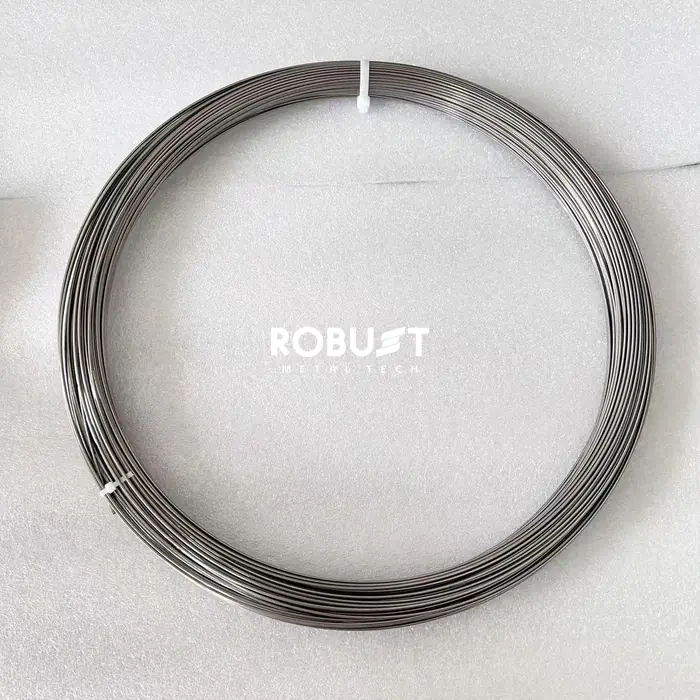
Tantalum Wire

Diameter under 3.18 mm.

Usually supplied in spool form for precision applications.

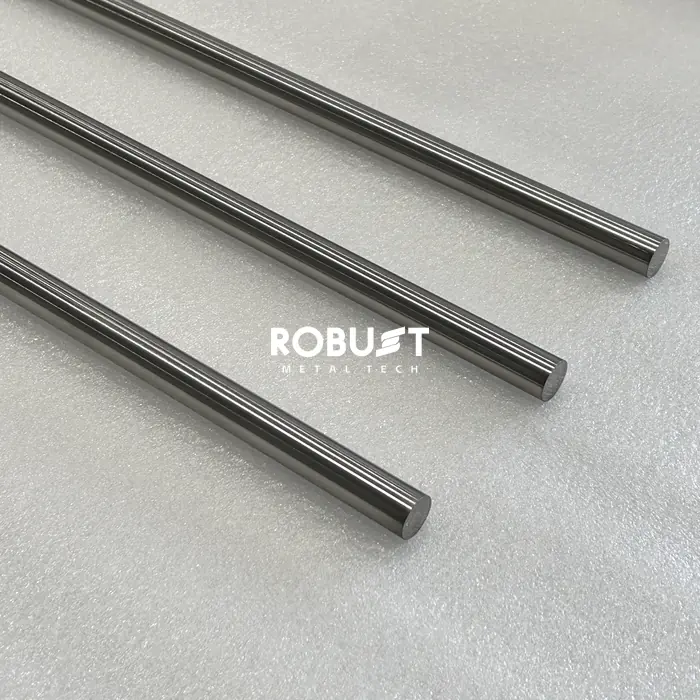
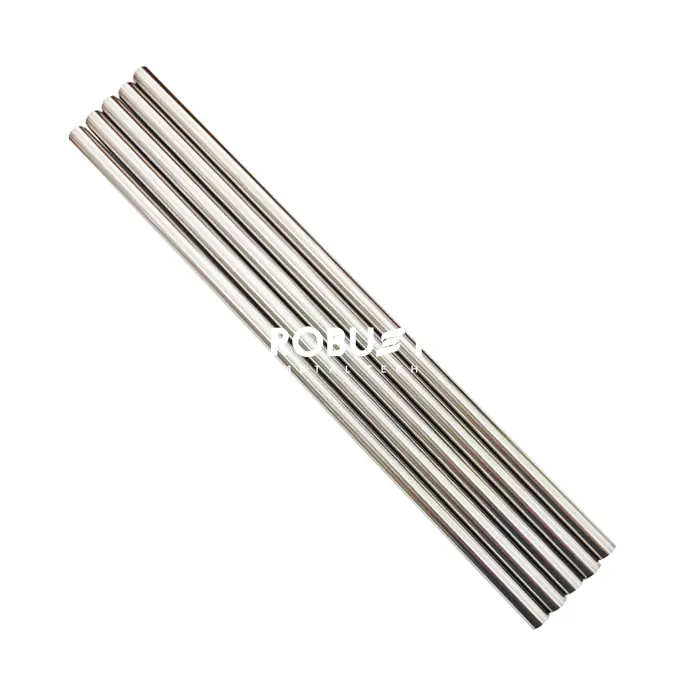
Tantalum Rod

Diameter from 3.18 mm to 63.5 mm.

Supplied in straight cut lengths for machining and industrial use.

Tantalum Bar

Diameter above 63.5 mm.

Used as heavy forging or machining raw material.

2. Key Material Properties

Acid Corrosion Resistance

Tantalum forms a stable oxide layer (Ta2O5).

It is highly resistant to strong acids such as nitric acid and hydrochloric acid.

It performs similarly to glass in chemical stability.

Excellent Ductility

Tantalum can be easily bent, machined, and formed.

It does not crack easily under cold working conditions.

High-Temperature Stability

Tantalum maintains strength at extreme temperatures.

It has low vapor pressure and does not contaminate vacuum systems.

3. Common Material Grades

UNS GradeMaterial TypeEngineering Benefit
R05200Pure TantalumHigh purity, excellent ductility, chemical resistance
R05400Sintered TantalumUniform grain structure for electronics applications
R05252Ta-2.5W AlloyHigher strength for chemical and pressure systems
R05255Ta-10W AlloyExtreme high-temperature structural performance

4. Industrial Applications

Chemical Industry Components

Tantalum rods are used in valves, shafts, bolts, and reactor parts.

They resist strong acid corrosion in chemical plants.

Medical Implants

Tantalum is biocompatible and non-toxic.

It is used in bone screws, joint implants, and surgical devices.

Vacuum Furnace Systems

Used for supports, hooks, and heating structure components.

It performs well in ultra-high temperature environments.

Semiconductor Applications

Used in sputtering targets and precision electronic components.

Ensures stability in advanced manufacturing processes.

Video

FAQs

Frequently Asked Questions (FAQ) About Tantalum Rods

Q: Why are tantalum rods more expensive than stainless steel or titanium?

Tantalum is a rare and strategically critical metal with a limited global supply.

Its refining process is highly complex and requires advanced chemical separation to achieve 99.95% purity.

This significantly increases production cost compared to stainless steel or titanium.

In addition, tantalum has an extremely high density of 16.4 g/cm³.

This makes the material much heavier per unit volume, increasing overall cost per kilogram.

Q: What are the best practices for machining tantalum rods?

Tantalum is highly ductile but tends to become “gummy” during machining.

It may tear instead of cutting cleanly if improper tooling is used.

Recommended machining method:

Use sharp carbide cutting tools with high rake angles.

Apply slow cutting speeds to reduce heat and deformation.

Use continuous heavy lubrication during machining.

Sulfurized oil is commonly used to prevent tool sticking and surface damage.

Q: What quality documentation should I require in my RFQ?

When sourcing tantalum rods, proper certification is essential for quality assurance and compliance.

1. Chemical Analysis (MTR)

Must confirm compliance with ASTM B365 standard.

Must verify exact chemical composition and purity level.

2. Mechanical Test Report

Includes tensile strength, yield strength, and elongation data.

Ensures the material meets engineering performance requirements.

3. Conflict-Free Sourcing Certificate

Confirms responsible and ethical sourcing of tantalum materials.

Required for compliance with global critical mineral regulations.

Reliable Tantalum Rods and Bars ASTM B365 Supplier for Chemical, Medical and Vacuum Industry Manufacturer & Supplier in China

Robust provides high-quality Tantalum Rods and Bars ASTM B365 Supplier for Chemical, Medical and Vacuum Industry solutions for industrial, high-temperature, and precision engineering applications worldwide.

OEM & ODM Support | Fast Delivery | Factory Direct Price

We use cookies to ensure you get the best experience on our website. Privacy Policy.