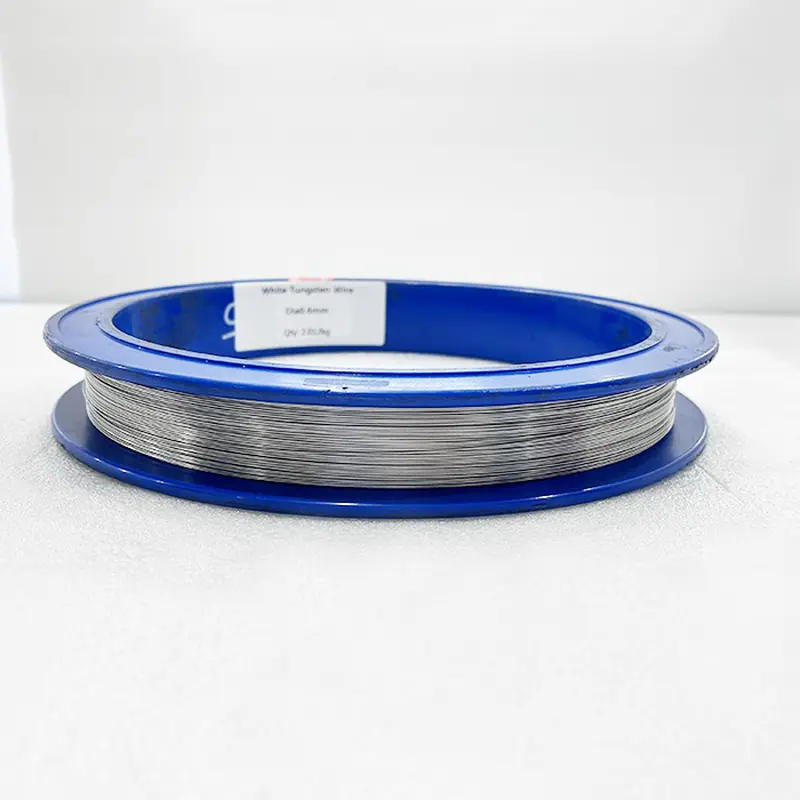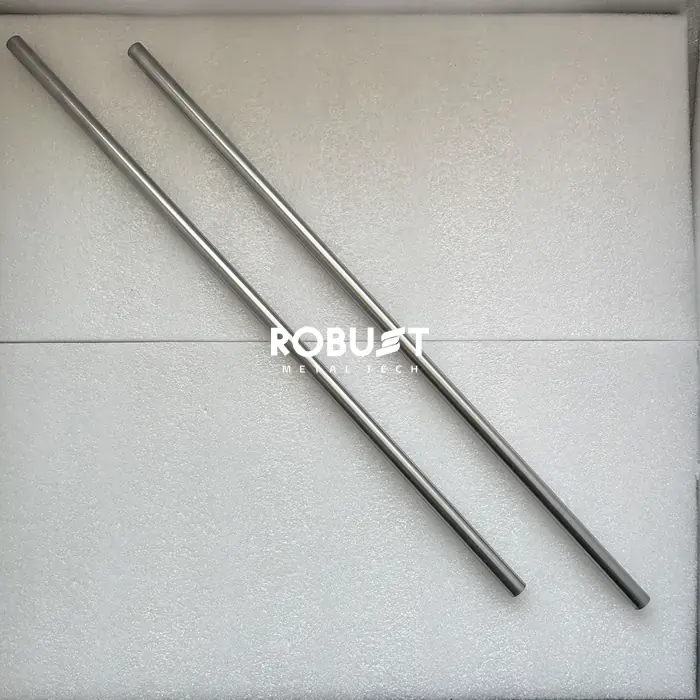
Tungsten Rods for Industrial Heating, Welding and Machining Applications
-
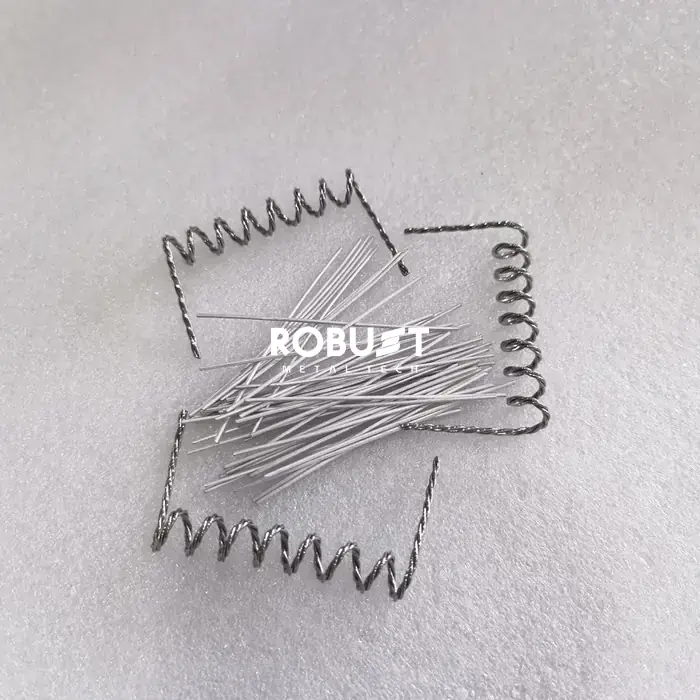
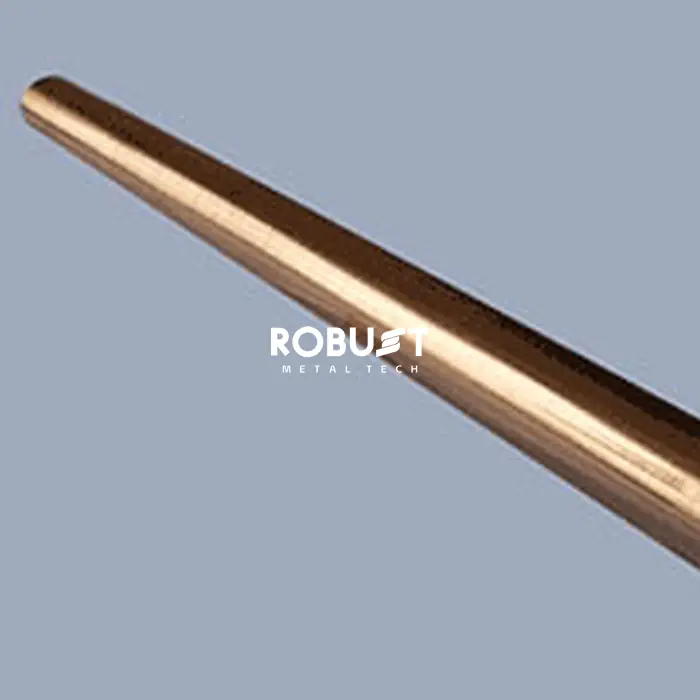
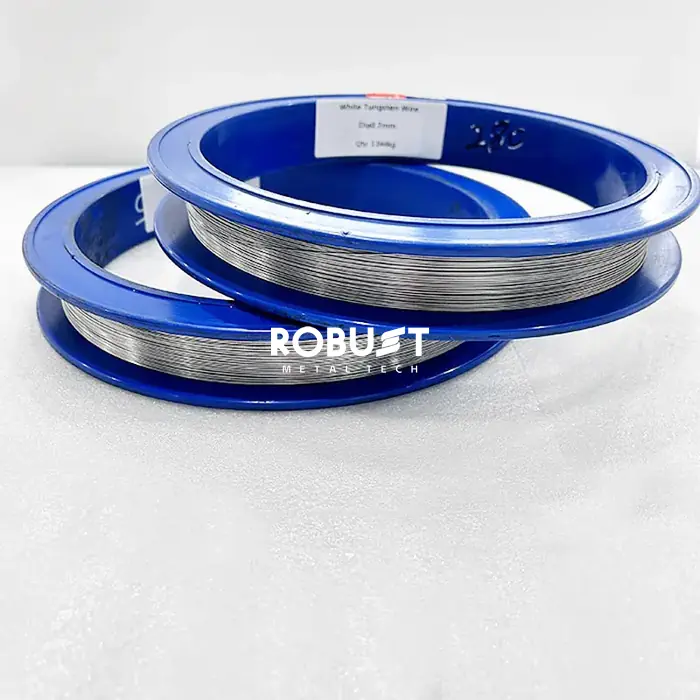
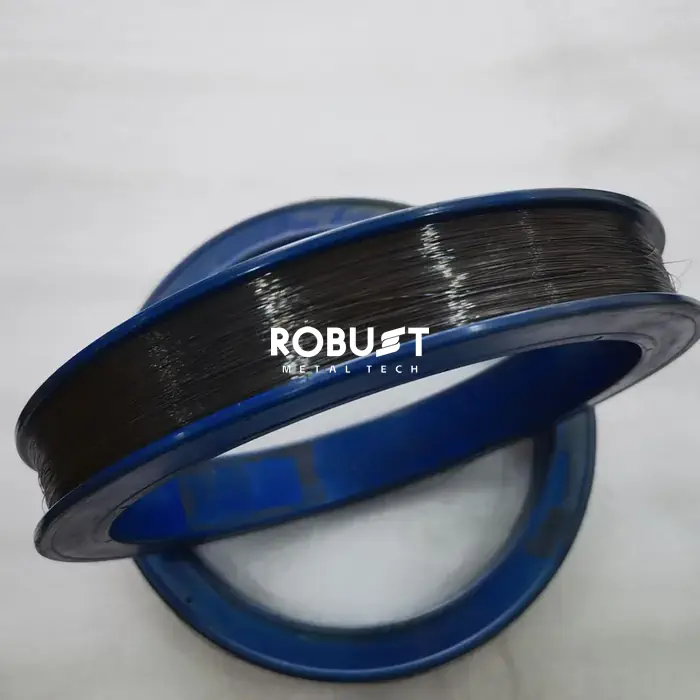
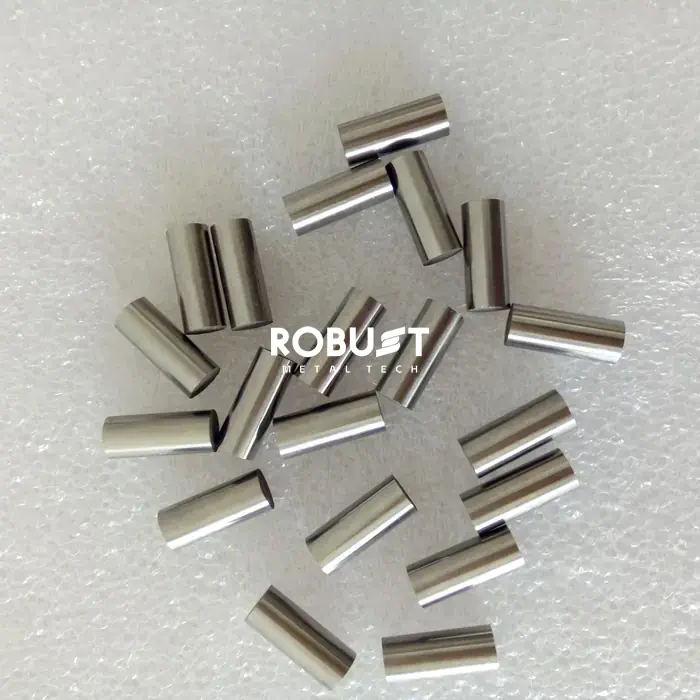
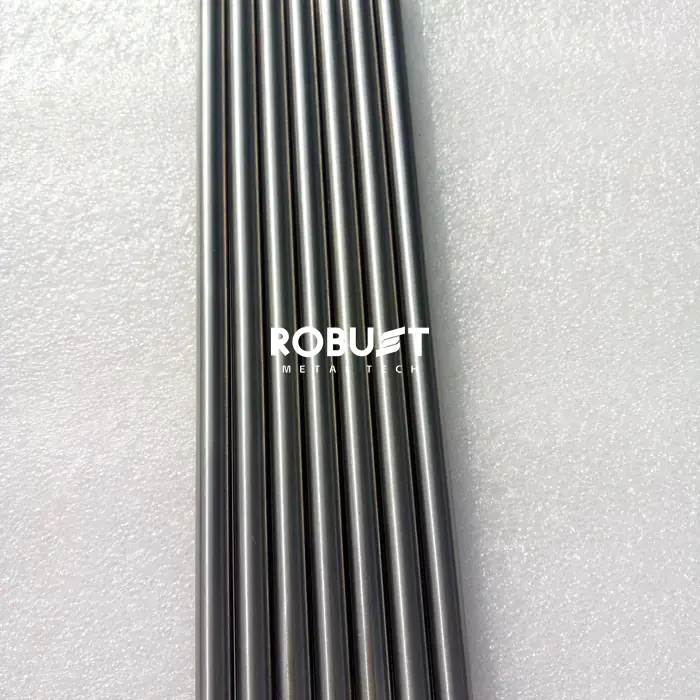
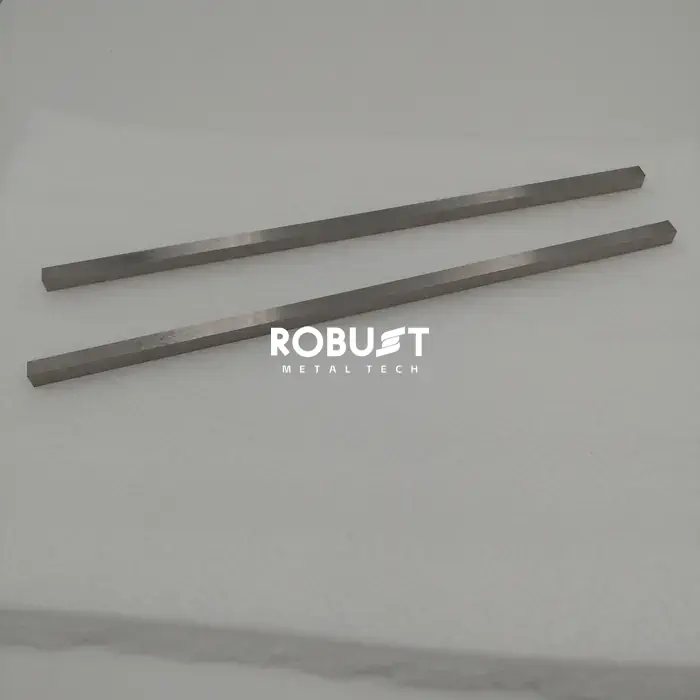
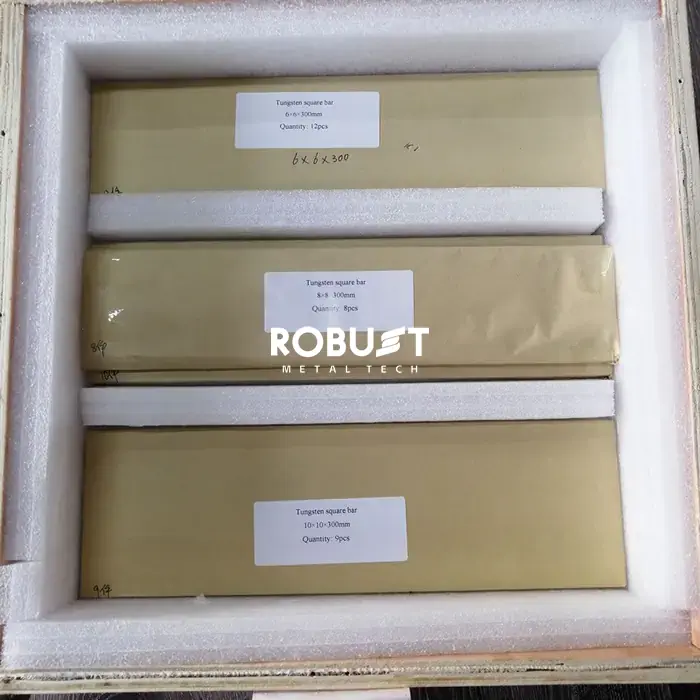
Tungsten rods are high-density refractory metal products designed for extreme temperature and high-stress industrial applications. Manufactured in grades such as W1, W2.1, WAL1, WLa, and WCe, they offer excellent thermal stability, mechanical strength, and electrical conductivity. These rods are widely used in electric boosting glass kilns, welding electrodes, electrical contacts, high-temperature structural components, and precision machining tools such as boring bars. Available in black, alkali washed, ground, or polished finishes, tungsten rods provide flexible processing options depending on application requirements. With a density of approximately 19.1 g/cm³ and exceptional resistance to deformation, they are ideal for demanding environments where conventional metals fail, ensuring long service life, dimensional stability, and reliable performance under extreme conditions.
Description
Product Overview
Grade: W-1, W-2.1, WAL1, WLa, WCe
Standard: GB/T4187-84
Surface Treatment: Black, alkali wash, lathing, polishing.
Application: Making electrodes for electric boosting glass kiln, making tungsten contacts, used as high temperature structure components and electrical light sources parts.
Specification Table
Commodity | Specification | Tolerance | Density | |
Black Tungsten Rods/Bars | Swaged | d≥3.0mm | ±0.02 | 19.1g/cm³ |
Straightened | d≥0.5mm | |||
Polished Tungsten Rods/ Bars | d≥1.0mm | ±0.03 | 19.1g/cm³ | |
Note: Special requests will be settled by negotiation between both parties.
While tungsten plates and tungsten rods share the same base physical properties (like an extreme melting point of 3,422°C and high density), their cylindrical shape and manufacturing orientation make rods behave differently during fabrication and application.
Video
FAQs
Frequently Asked Questions (FAQ)
Q: Why do tungsten rods come in so many different colors?
If you are buying tungsten rods for TIG welding or plasma spraying, the tips are color-coded to identify the specific oxide doping element added to pure tungsten.
Doping lowers the electronic work function, helping the rod start an electrical arc faster and run cooler.
Blue (2% Lanthanated): The modern, non-radioactive industry standard. Excellent for both AC and DC welding.
Red (2% Thoriated): Historically popular for DC welding, but contains slightly radioactive thorium. Buyer Note: Many modern facilities restrict grinding red-tipped rods due to safety regulations.
Grey (2% Ceriated): Excellent for low-amperage, delicate DC welding.
Green (Pure Tungsten): Used almost exclusively for AC welding on aluminum.
Q: When should I buy a Tungsten Heavy Alloy (WHA) rod instead of Pure Tungsten?
Buy Pure Tungsten (≥ 99.95%) if the rod is used for high-temperature vacuum furnace support, glass-melting electrodes, or electrical contacts.
Buy WHA (Nickel-Iron or Nickel-Copper matrix) if machining is required for boring bars, counterweights, or radiation shielding components.
WHA retains up to 97% of tungsten density but is much easier to machine.
Q: Why are tungsten rod prices so volatile right now?
Supply restrictions and export controls have tightened raw material availability.
Demand is increasing from defense applications, semiconductors, AI hardware, and new energy sectors.
Q: How are tungsten rods priced?
Industrial tungsten rods are sold by weight (kg or lb).
Due to high density (19.3 g/cm³), even small bundles can be significantly heavy and expensive.
Q: Why do pure tungsten rods snap easily at room temperature?
Pure tungsten has a high ductile-to-brittle transition temperature.
At room temperature it behaves like a ceramic and will fracture under bending stress.
Heating above 400°C–600°C is required for forming without cracking.
Q: What is the benefit of using tungsten rods as boring bars?
Tungsten has extremely high stiffness, reducing vibration and tool chatter.
This allows deeper precision machining with improved dimensional accuracy.
Q: What surface finish should I specify?
Black (As-Swaged): Used for raw machining stock.
Ground (Centerless Ground): Used for tight tolerance applications and precision fitting.
Q: What quality documentation should be required?
Chemical composition analysis is required to verify purity or alloy content.
Ultrasonic or Eddy Current NDT testing ensures there are no internal voids, cracks, or defects.
Literature
Reliable Tungsten Rods for Industrial Heating, Welding and Machining Applications Manufacturer & Supplier in China
Robust provides high-quality Tungsten Rods for Industrial Heating, Welding and Machining Applications solutions for industrial, high-temperature, and precision engineering applications worldwide.
OEM & ODM Support | Fast Delivery | Factory Direct Price