Tungsten Filament for Vacuum Deposition Heating Systems
-
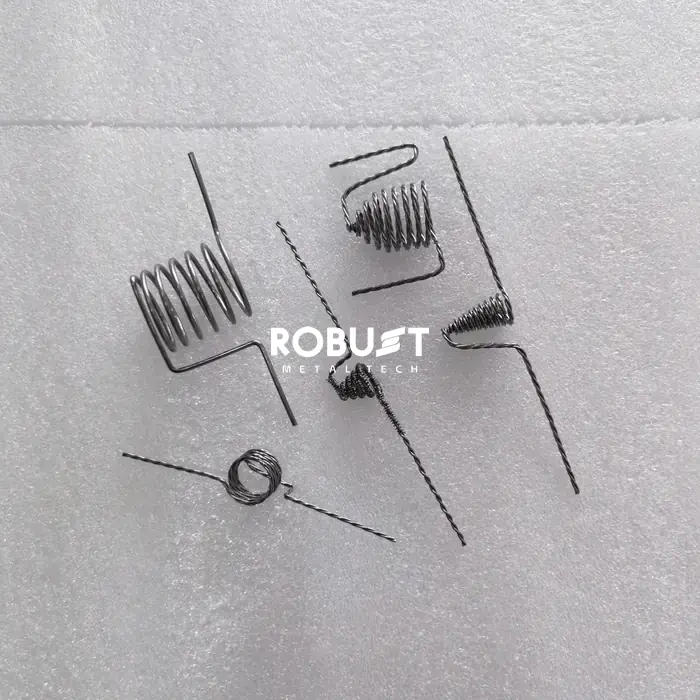
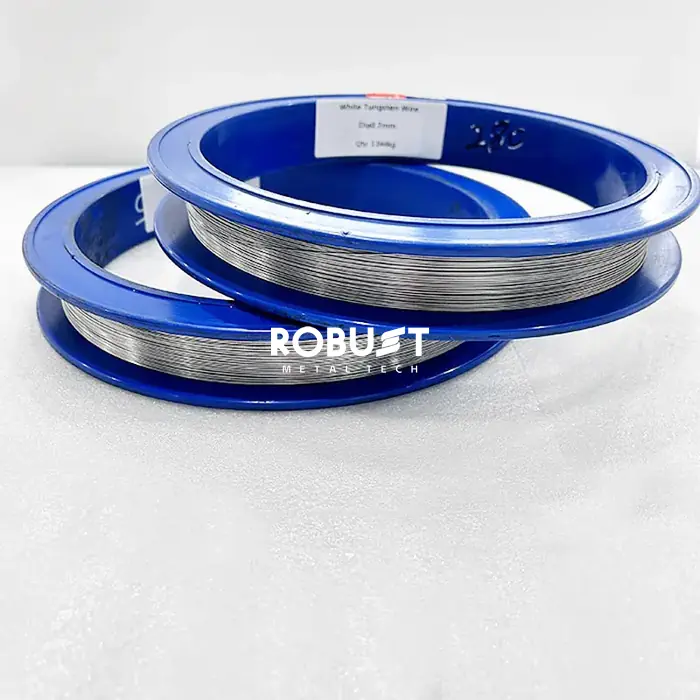
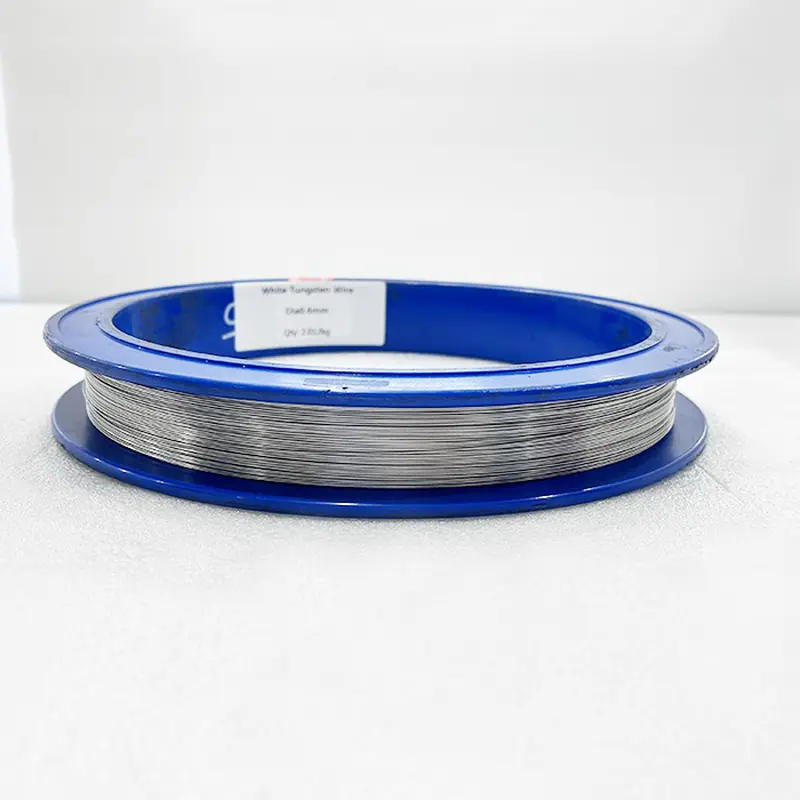
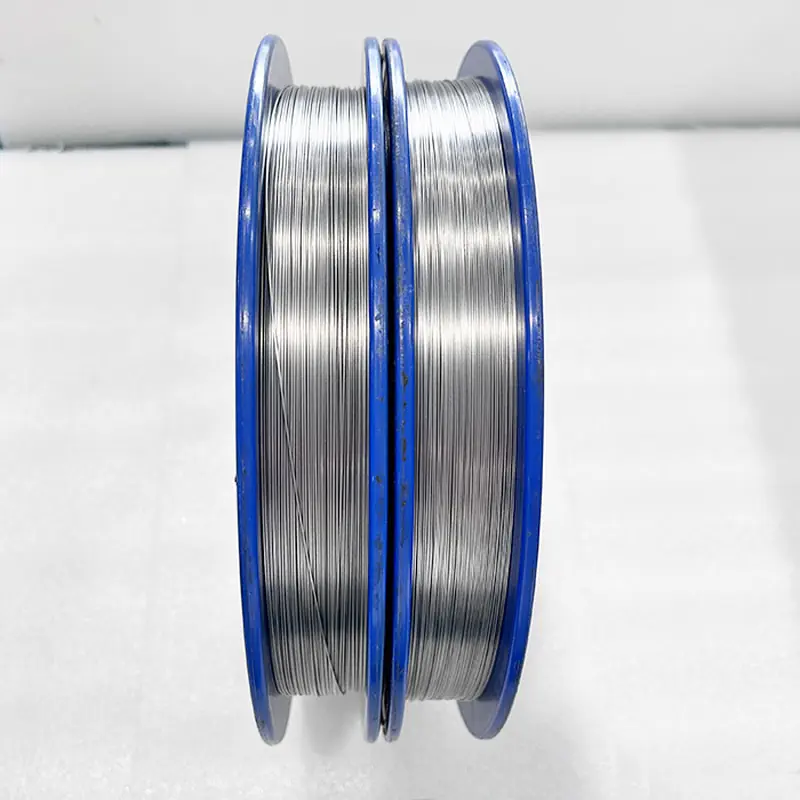
Vacuum deposition heating element made from coiled and stranded tungsten wire designed for thermal evaporation and thin-film coating systems. The multi-strand twisted structure improves mechanical strength, thermal stability, and molten metal retention during high-temperature vacuum processes. It ensures uniform heating performance, reduces hot spot formation, and extends service life in continuous industrial operation. This tungsten filament is widely used in vacuum metallization, semiconductor coating, optical coating, and high-temperature furnace applications. It is suitable for aluminum, copper, and other evaporated materials requiring stable and efficient vaporization in controlled vacuum environments.
Description
Vacuum Deposition Heating Element
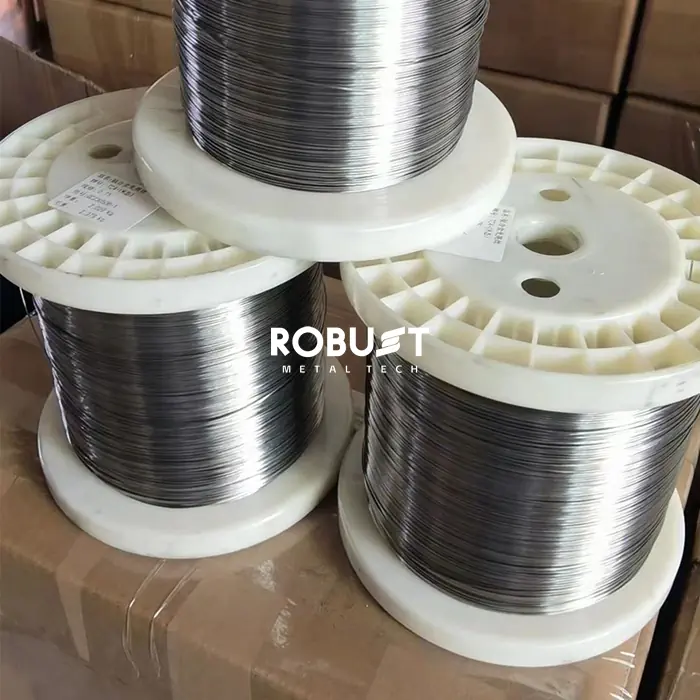
Vacuum Deposition Heating Element (also known as stranded or braided tungsten wire) consists of two or more individual strands of tungsten wire precisely wrapped around each other to form a unified, heavy-duty cord.
While individual tungsten wires are highly effective for fine electronics and testing probes, twisting multiple strands together unlocks distinct mechanical and thermal advantages.
This configuration is the gold standard for thermal vacuum evaporation and heavy-duty industrial heating elements.
1. Why Twist Tungsten Wire? (The Structural Advantages)
Single-strand tungsten wire can become notoriously brittle and limited in capacity when exposed to intense heat.
Twisting multiple strands yields four critical engineering benefits:
The Capillary Effect (Liquid Retention)
When used in vacuum deposition, a lower-melting-point metal (like aluminum) is hung on the tungsten filament.
When heated, that metal melts into a liquid.
A single smooth wire would cause the molten metal to drip off instantly.
The twisted "valleys" between the strands act like a sponge, using capillary action to hold the liquid metal in place so it can cleanly evaporate.
Larger Surface Area
Stranding multiple fine wires together creates a significantly higher surface area than a single thick wire of equal total diameter.
This maximizes thermal radiation and increases evaporant material capacity.
Enhanced Thermal Uniformity
The interlocking strand matrix distributes electric current more evenly.
This reduces localized hot spots and prevents premature filament failure.
Superior Mechanical Flexibility
Pure tungsten is highly brittle at room temperature.
The twisted structure redistributes stress and improves mechanical flexibility.
It can be bent, coiled, and shaped more safely than a single rigid tungsten rod.
2. Common Stranded Configurations
Suppliers classify twisted tungsten wire based on strand count and wire diameter.
2-Strand (2-Ply): Balanced flexibility with good capillary performance.
3-Strand (3-Ply): Stable triangular structure with strong liquid retention capability.
4-Strand to 9-Strand+: Used for heavy industrial evaporation and high-load heating systems.
RFQ Example: 3-Strand x 0.76mm means three tungsten wires of 0.76 mm diameter twisted into one filament.
3. Primary Applications
| Industry / Process | Application Description |
| Vacuum Metallization (Coating) | Heating filament used in thermal evaporation chambers for coating plastics, mirrors, automotive trims, and packaging films with thin metal layers. |
| Semiconductor & Optics | Used for depositing thin metallic films on glass lenses, anti-reflective coatings, and electronic substrates. |
| High-Temperature Furnaces | Formed into mesh or coil heating elements operating above 2000°C in vacuum or protective gas environments. |
Video
FAQs
4. Frequently Asked Questions for Buyers
Q: Why do tungsten filaments fail in vacuum deposition systems?
Failure is mainly caused by chemical interaction with evaporated metals.
Molten aluminum, copper, or gold can gradually dissolve tungsten strands.
This weakens the filament until breakage occurs over repeated cycles.
Doped or non-sag tungsten grades improve resistance to this degradation.
Q: What surface finish is required?
Chemical Cleaned (White/Matte Finish) is required.
As-drawn tungsten contains graphite and lubricants.
These materials will outgas in vacuum systems and contaminate coatings.
Q: What parameters are required for quotation?
Strand Count (2-strand, 3-strand, etc.)
Single Wire Diameter
Twist Pitch (full 360° rotation length)
Purity Grade (≥99.95% tungsten or non-sag grade)
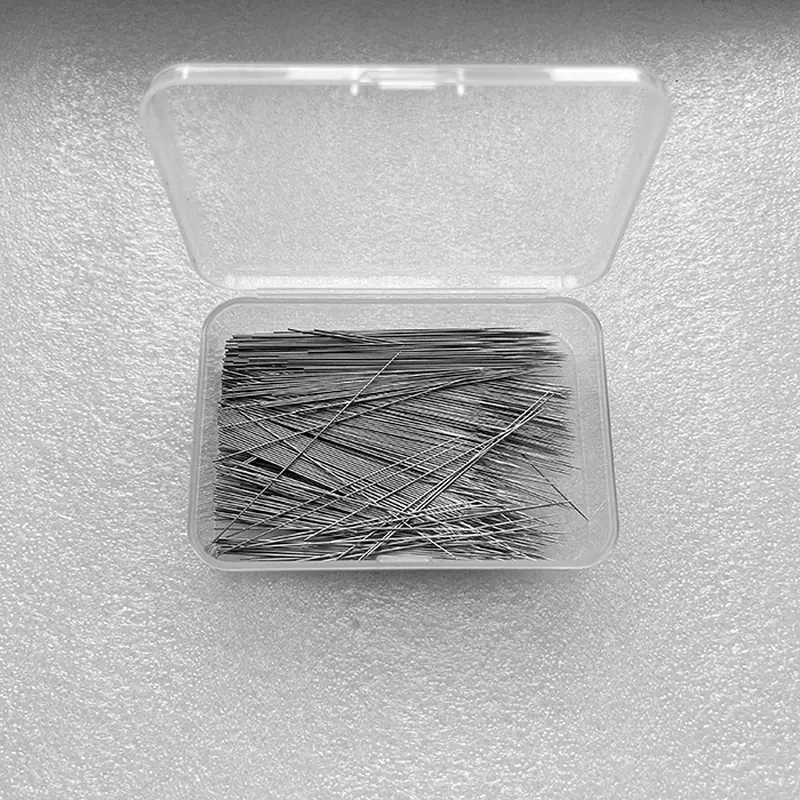
Form Type (bulk spool or pre-cut filament)
Literature
Reliable Tungsten Filament for Vacuum Deposition Heating Systems Manufacturer & Supplier in China
Robust provides high-quality Tungsten Filament for Vacuum Deposition Heating Systems solutions for industrial, high-temperature, and precision engineering applications worldwide.
OEM & ODM Support | Fast Delivery | Factory Direct Price