 View Product ↗
01
Product Description
Technical details, material information and manufacturing notes for this product.
Product Overview
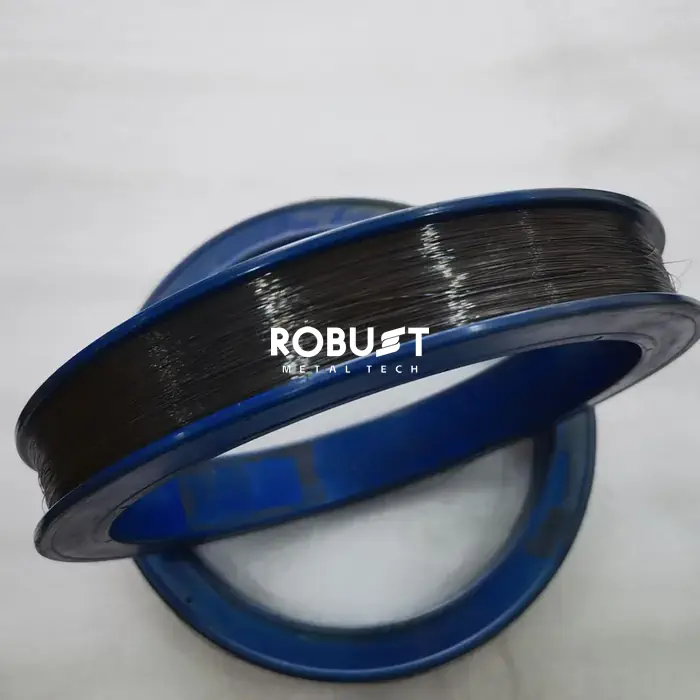
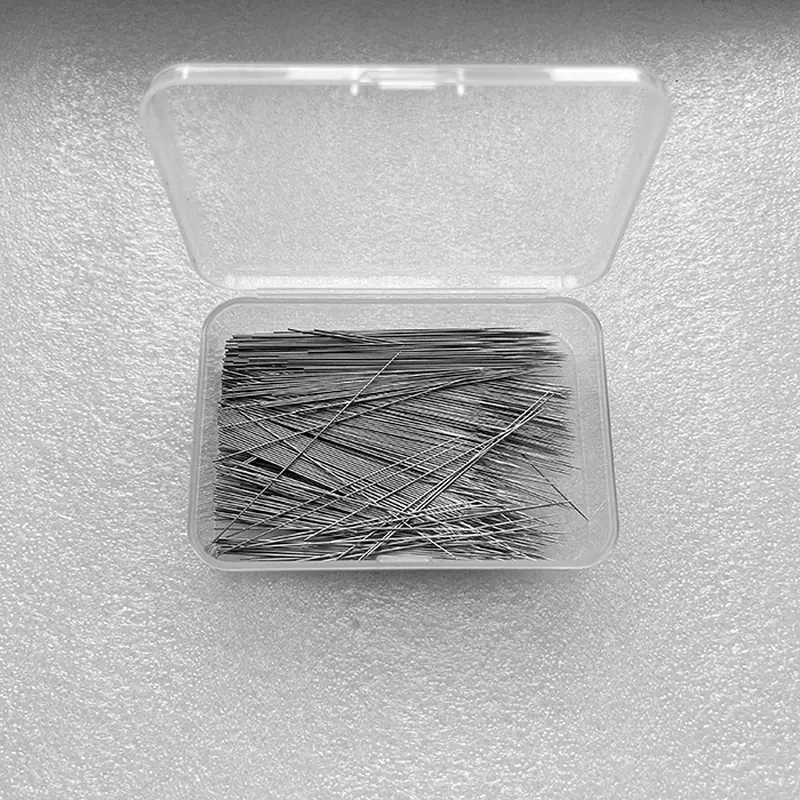
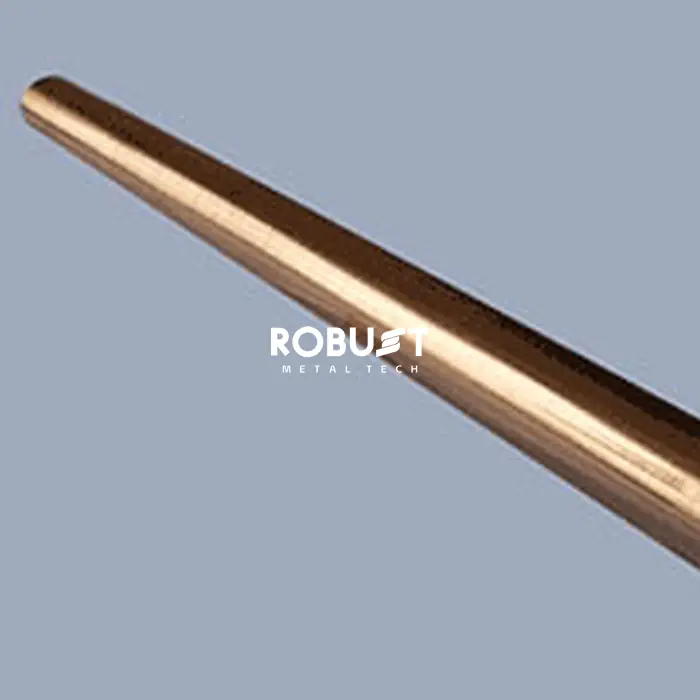
Tungsten Wire is one of our advantage products.
The main grades about our tungsten wire are W1, W2.1 and WAL1.
It’s mainly used for making tungsten filament, tungsten heaters, heating components and furnace parts, also used for medical industry and electric light source.
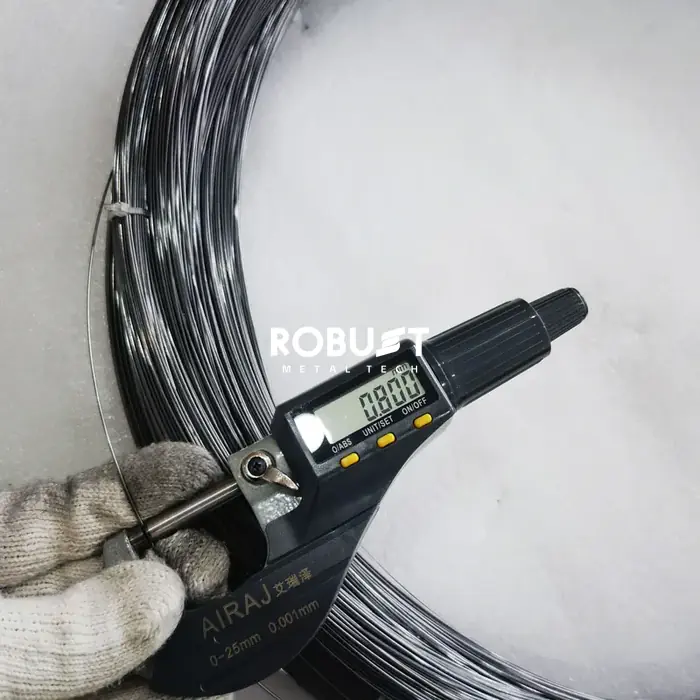
The diameter of our tungsten wire range is from 0.006 and 1.5mm, and the surface is black, polishing and alkali washing.
About tungsten wire, we have rotary swaging and drawing machines, so our cost is low, production time is short, and quality is guaranteed.
Tungsten wire samples are available for testing.
Tungsten wire represents the finest, most heavily processed form of tungsten.
While sharing the extreme physical traits of plates and rods—such as the highest melting point of any metal (3,422°C) and immense density—tungsten wire relies on incredible tensile strength and precise microstructural engineering.
Historically famous as the glowing filament in incandescent light bulbs, tungsten wire has evolved into a vital material for advanced semiconductor testing, solar energy production, medical devices, and high-tech manufacturing.
1. Key Material Classifications
Tungsten wire is tailored at the molecular level through specialized "doping" or alloying to handle extreme tension, high temperatures, or vibration without snapping.
Pure Tungsten Wire (99.95% to 99.999%)
Highly valued for its ultra-low vapor pressure and chemical purity.
It is primarily used in vacuum deposition heaters, electron tube cathodes, and high-precision semiconductor probe pins.
Non-Sag (NS) / Doped Tungsten Wire
Doped with minute amounts of potassium, silicon, and aluminum (Al-Si-K).
When heated past its recrystallization point, this specialized doping forces the metal grains to form an interlocking, elongated structure.
This prevents the wire from drooping, sagging, or deforming under its own weight at high temperatures (crucial for heavy-duty halogen lamps and furnace elements).
Tungsten-Rhenium Alloy Wire (W-Re)
Usually containing 3% to 25% Rhenium.
Adding rhenium dramatically improves the wire’s flexibility (ductility) at room temperature and after high-temperature exposure, while also increasing its electrical resistance.
It is widely used in aerospace thermocouples and severe-vibration environments.
2. Dynamic 2026 Market Conditions
If you are currently sourcing or budgeting for tungsten wire, the market is experiencing a historic structural shift.
Unprecedented Price Surge
Driven by a global supply squeeze, tightening mining quotas, and geopolitical hoarding, raw tungsten powder prices have surged multiple times over.
The Photovoltaic (PV) Boom
The single largest disruptor to the tungsten wire supply chain is the solar industry.
Ultra-fine tungsten wire has rapidly achieved a market penetration rate of over 60% as the preferred core wire for diamond wire slicing (used to cut silicon wafers for solar panels).
Because tungsten wire is stronger than traditional high-carbon steel, it can be drawn incredibly thin, which minimizes wafer waste and saves solar manufacturers millions.
This massive demand has heavily absorbed global wire manufacturing capacity.
3. Surface Finishes & Dimensions
Because drawing a metal as hard as tungsten down to microscopic diameters requires heavy lubrication, the surface finish must be carefully chosen based on the final application.
Surface Finishes
Black Finish
Retains a coating of drawing lubricants and graphite oxides.
This is the standard, economical choice if the wire is going to be mechanically handled or stripped later.
Cleaned Finish (White/Matte)
The graphite and lubricants are chemically etched away via an acid or caustic wash, leaving a clean, matte-gray metallic surface.
Required for vacuum electronics to prevent outgassing.
Polished Finish
Electropolished to a bright, mirror-like shine.
This ensures absolute diameter uniformity and is typically specified for high-precision medical wires and semiconductor testing probes.
Size Spectrum
Tungsten wire can be drawn down to astonishingly microscopic diameters, often measured in micrometers or milligrams per 200 mm (a traditional metallurgical unit of weight used for ultra-fine wires).
Thick structural wire/strands: 0.5 mm to 2.0 mm
Standard industrial wire: 0.1 mm to 0.5 mm
Ultra-fine / Micro-wire (PV & Medical): 20μm down to less than 10μm (thinner than a human hair).
4. Primary Applications
| Industry | Primary Use Cases |
|---|---|
| Solar / Photovoltaic | Used as the high-tensile core wire for diamond wire saws to slice silicon ingots into ultra-thin solar wafers with minimal material loss. |
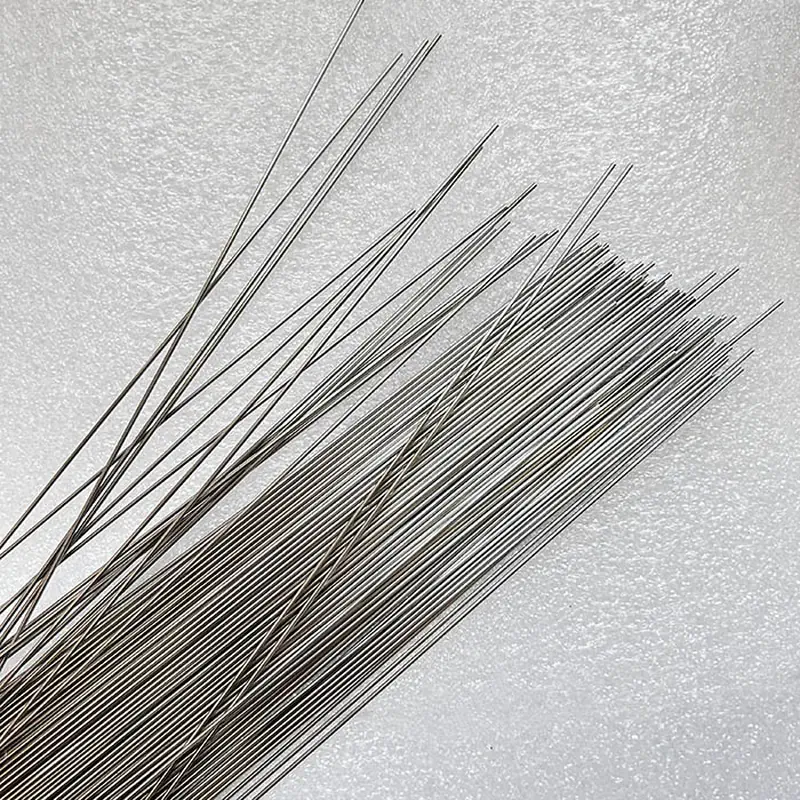
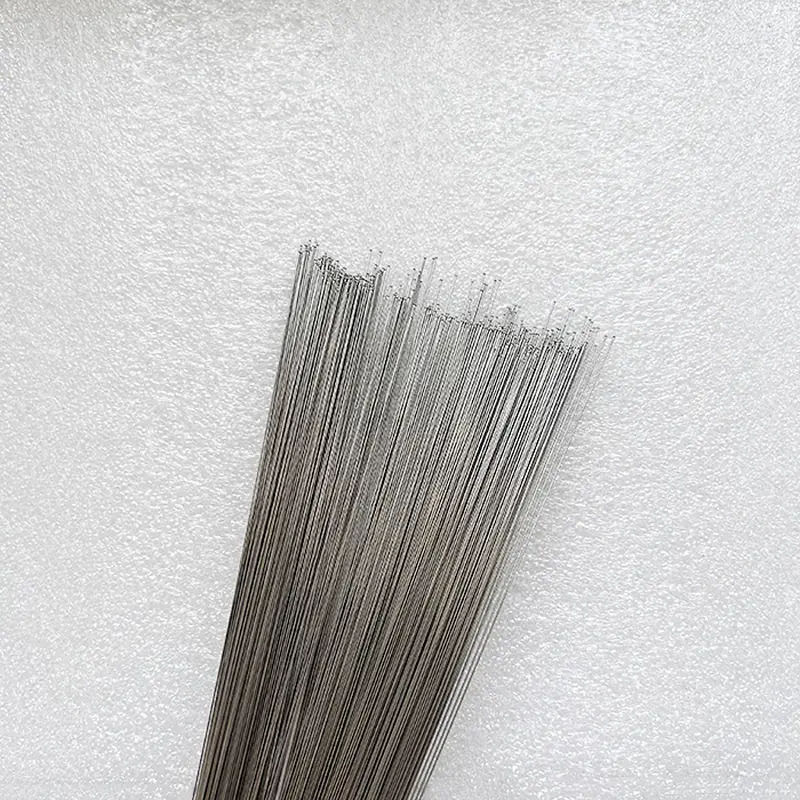
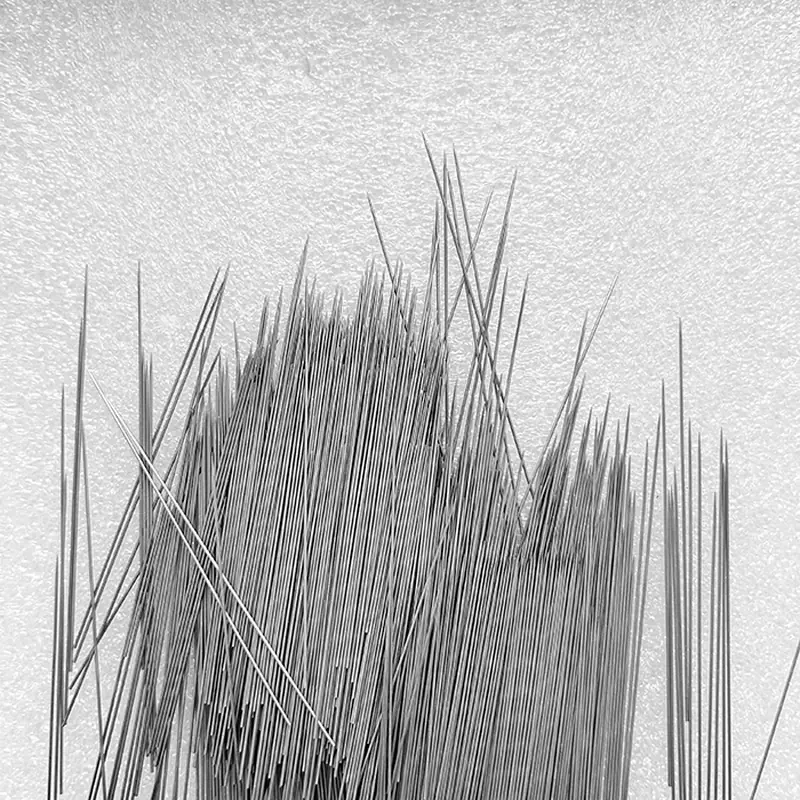
| Semiconductor Testing | Cut, straightened, and sharpened into probe pins used in vertical probe cards to test the electrical circuits on silicon microchips. |
| Medical Devices | Utilized in electrosurgical electrodes (snares and needles) because it retains its stiffness and sharp edge at microscopic sizes, as well as guide wires for minimally invasive surgeries. |
| High-Temp Vacuum Furnaces | Twisted or stranded into heavy-gauge heating elements, mesh baskets, and structural hanging wires that survive blistering furnace environments. |
| Specialized Electronics | Used in traveling wave tubes (TWTs), magnetrons, and corona discharge wires for office copiers and air purification systems. |
02
Image Gallery
Additional product views, manufacturing details and application references.
04
Related Technical Resources
Material guides, application notes and manufacturing knowledge from ROBUST.
05