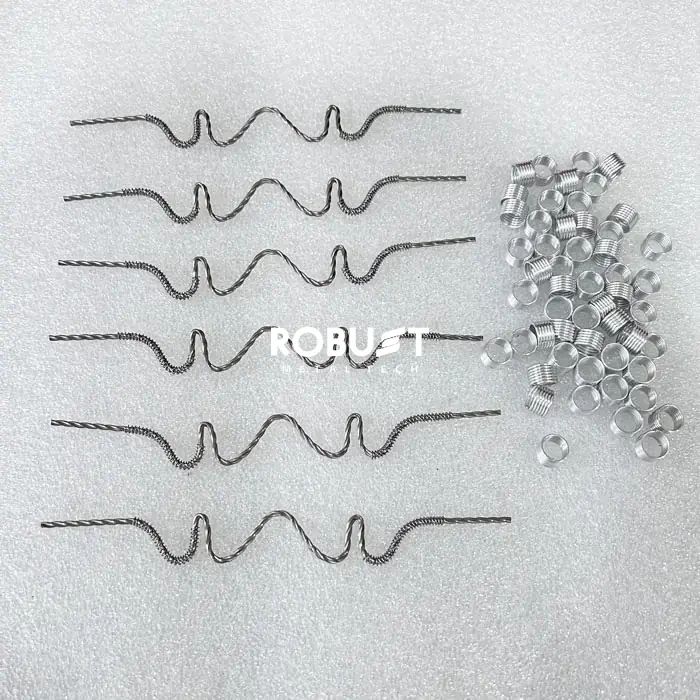
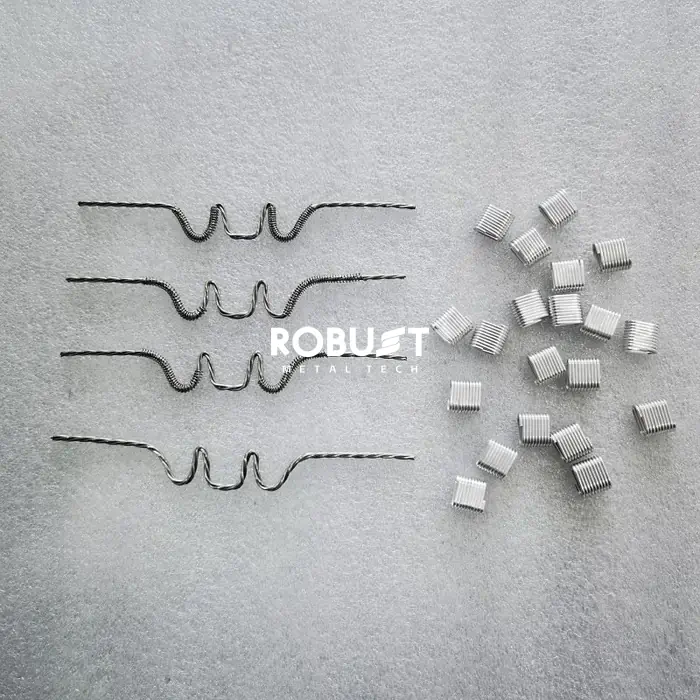
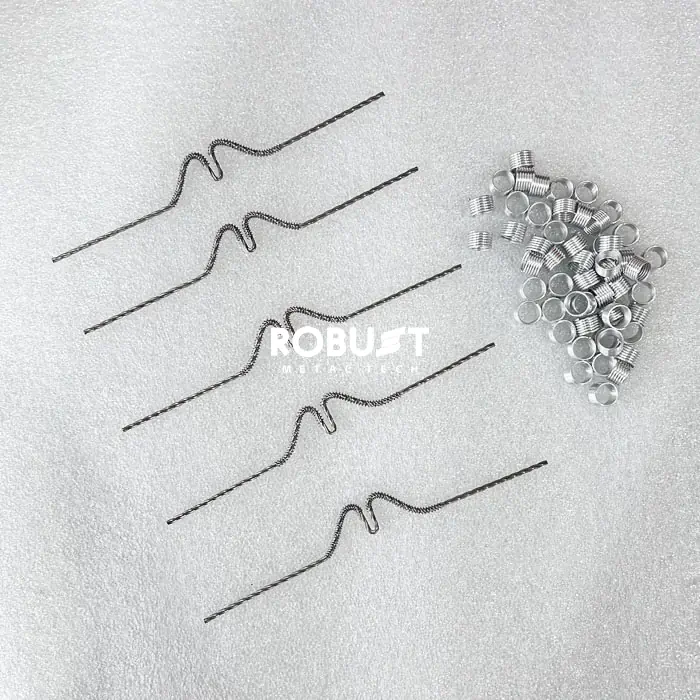
Thermal Evaporation Tungsten Filament for Vacuum Coating Applications
-
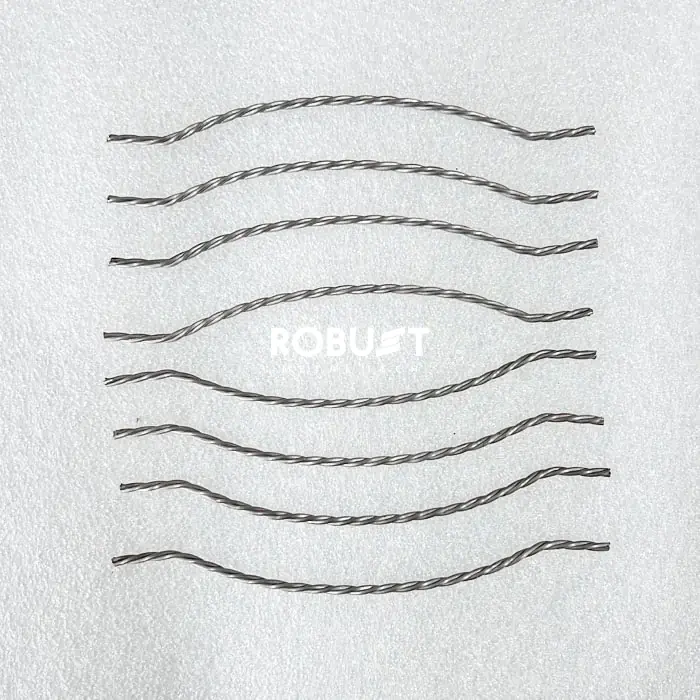
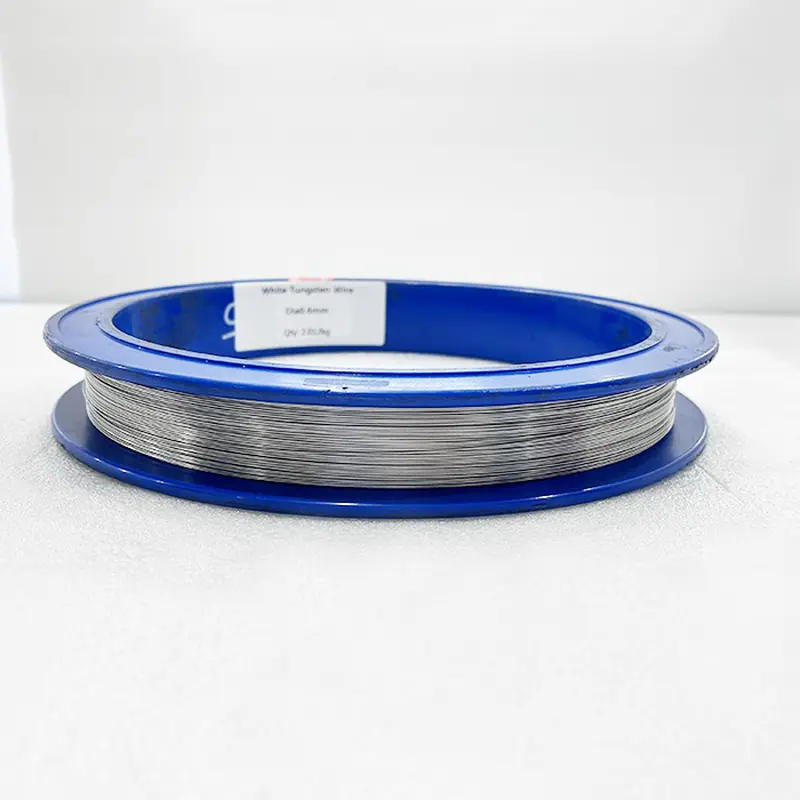
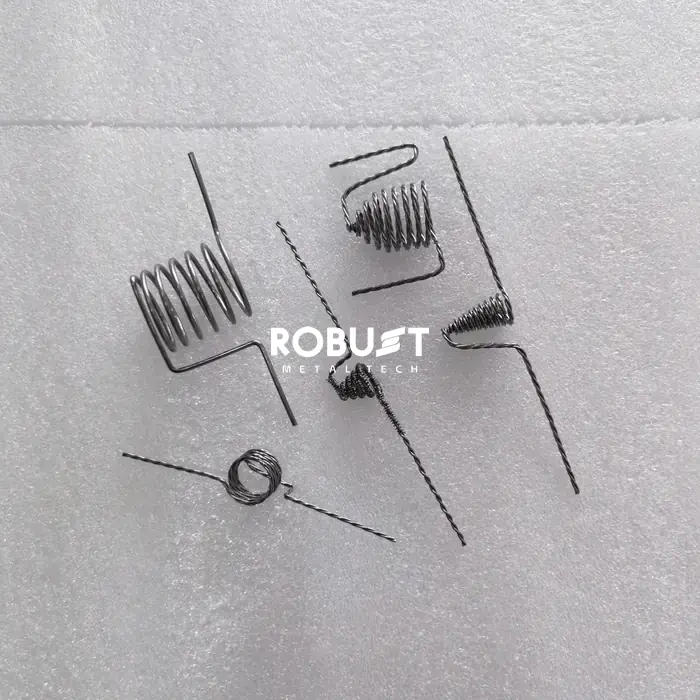
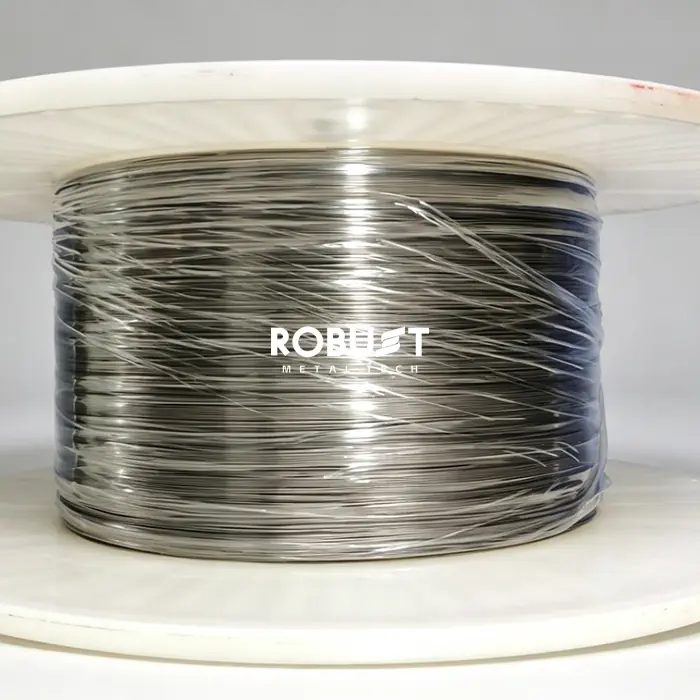
Thermal evaporation tungsten filament is a high-performance stranded tungsten wire designed
for vacuum coating and thermal evaporation processes.
It provides excellent heat resistance, stable electrical performance,
and strong liquid metal retention during evaporation.
Widely used in vacuum metallization, semiconductor coating,
and high-temperature furnace systems requiring consistent
and efficient evaporation performance under extreme operating conditions.
Description
1. Why Twist Tungsten Wire? Structural Advantages
Single-strand tungsten wire can become brittle and limited under extreme heat conditions.
Twisting multiple strands provides four key engineering advantages:
Capillary Effect (Liquid Retention)
Molten low-melting-point metals such as aluminum are held within twisted valleys of the filament.
This allows controlled evaporation instead of dripping.
Larger Surface Area
Stranding multiple wires significantly increases surface area compared to a single wire.
This improves thermal radiation efficiency and evaporation capacity.
Enhanced Thermal Uniformity
Current distribution becomes more balanced across strands.
This reduces hot spots and improves filament stability.
Superior Mechanical Flexibility
Twisted structure distributes stress more evenly.
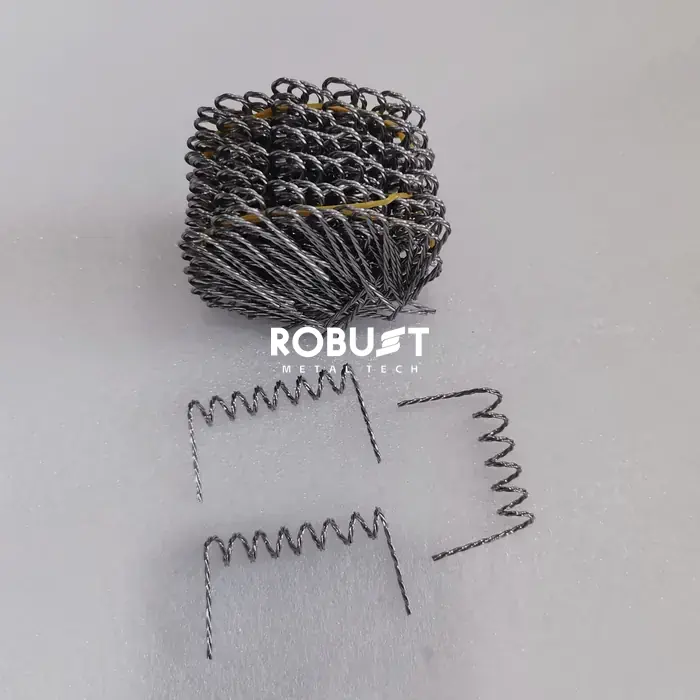
It allows safe bending, coiling, and shaping into heating geometries.
2. Common Stranded Configurations
Twisted tungsten wire is classified by strand count and wire diameter.
2-Strand (2-Ply): Balanced flexibility with deep capillary grooves.
3-Strand (3-Ply): Stable triangular structure with strong liquid retention.
4-Strand to 9-Strand+: Heavy-duty evaporation and heating element applications.
RFQ Example: 3-Strand x 0.76mm means three wires of 0.76mm diameter twisted into one filament.
3. Primary Applications
| Industry / Process | Application |
| Vacuum Metallization (Coating) | Used in thermal evaporation chambers for coating automotive trims, mirrors, packaging films, and decorative surfaces. |
| Semiconductor & Optics | Used for thin-film deposition on glass lenses, optical coatings, and electronic substrates. |
| High-Temperature Furnaces | Used as mesh heating elements operating above 2000°C under vacuum or protective gas environments. |
Video
Image Gallery
FAQs
4. Frequently Asked Questions for Buyers
Why do twisted tungsten filaments fail prematurely in vacuum chambers?
Failure is usually caused by chemical attack from molten evaporation materials.
Aluminum, copper, or gold can gradually erode tungsten strands during repeated cycles.
Using doped or non-sag tungsten improves resistance and extends filament life.
What surface finish is required for vacuum deposition filaments?
Chemical Cleaned (White/Matte Finish) is required for vacuum applications.
As-drawn tungsten contains graphite and lubricants that will outgas and contaminate the vacuum system.
What parameters are required for quotation?
Strand count (2-strand, 3-strand, 4-strand).
Single wire diameter.
Twist pitch (affects resistance and structure).
Purity grade (≥99.95% tungsten or non-sag grade).
Form factor (bulk spool or pre-shaped filaments).
Literature
Reliable Thermal Evaporation Tungsten Filament for Vacuum Coating Applications Manufacturer & Supplier in China
Robust provides high-quality Thermal Evaporation Tungsten Filament for Vacuum Coating Applications solutions for industrial, high-temperature, and precision engineering applications worldwide.
OEM & ODM Support | Fast Delivery | Factory Direct Price