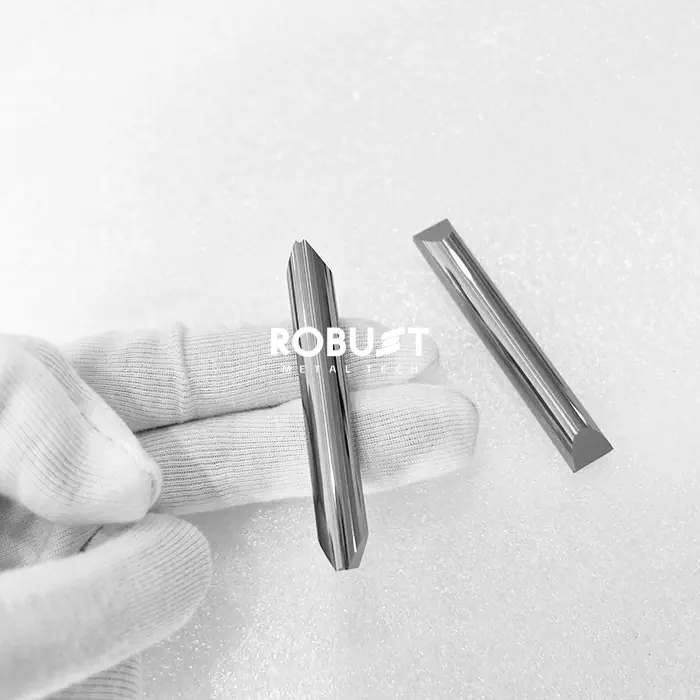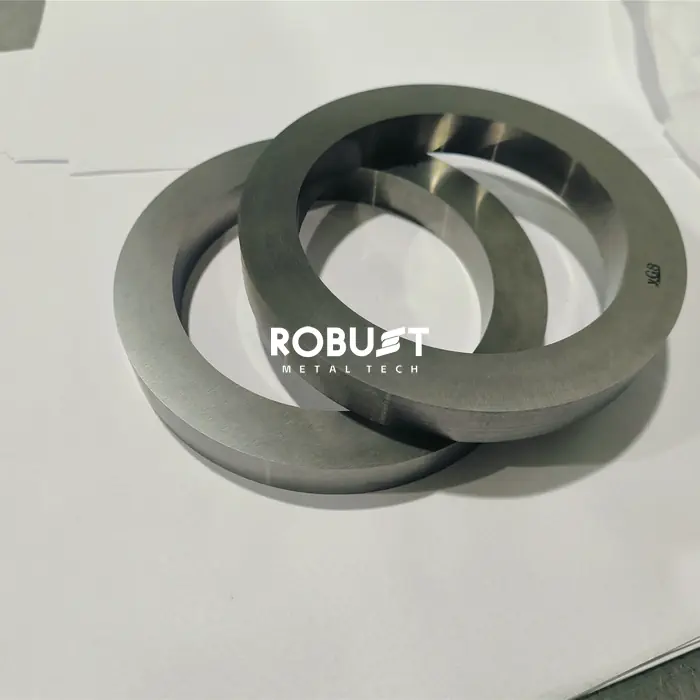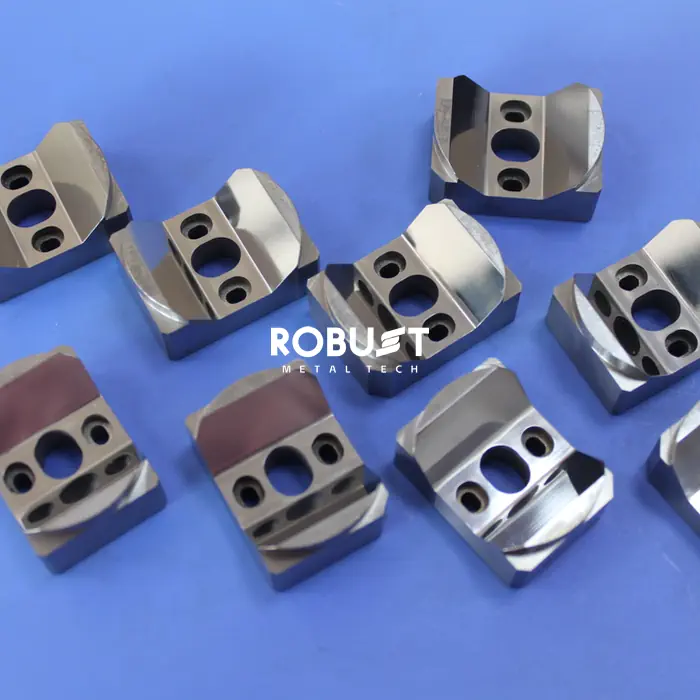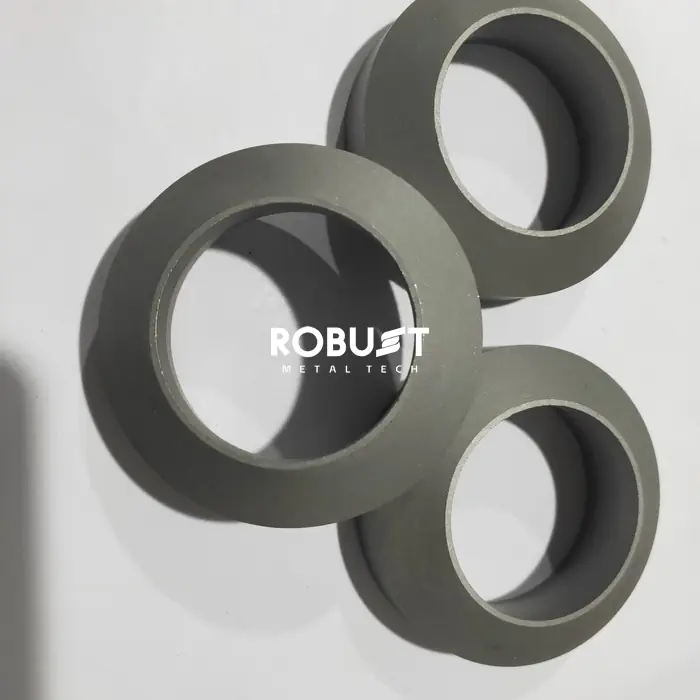
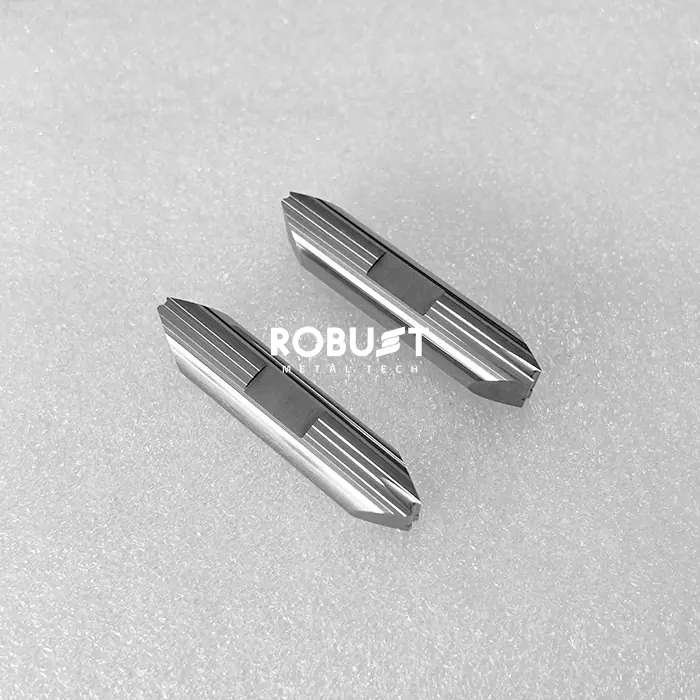
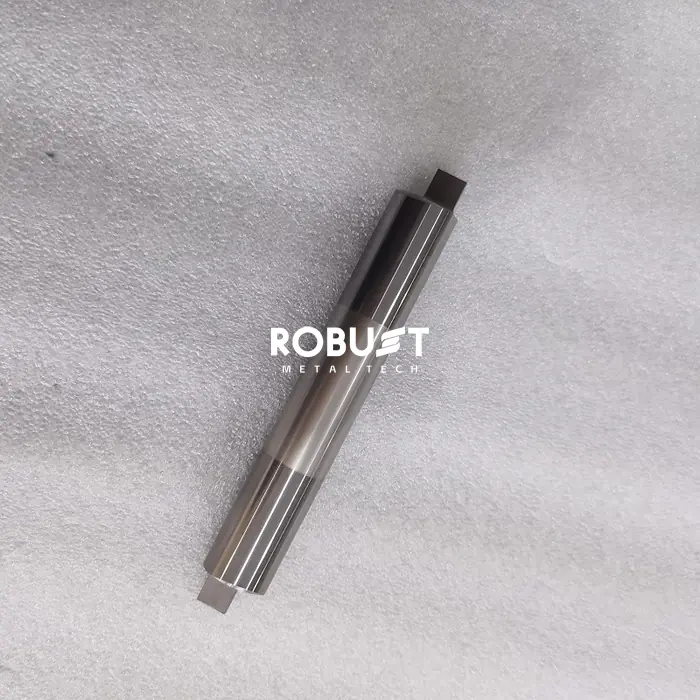
Cemented Carbide Punch for Precision Metal Stamping Applications
-
Cemented carbide punch is a high precision industrial tool used for metal stamping,
forming and punching applications. It provides excellent hardness,
wear resistance and structural stability under continuous high-speed operation.
Designed for demanding production environments, it ensures long service life,
consistent accuracy and reduced downtime in industrial manufacturing processes
requiring tight tolerances and reliable performance.
Description
Cemented Carbide Punch for Precision Metal Stamping
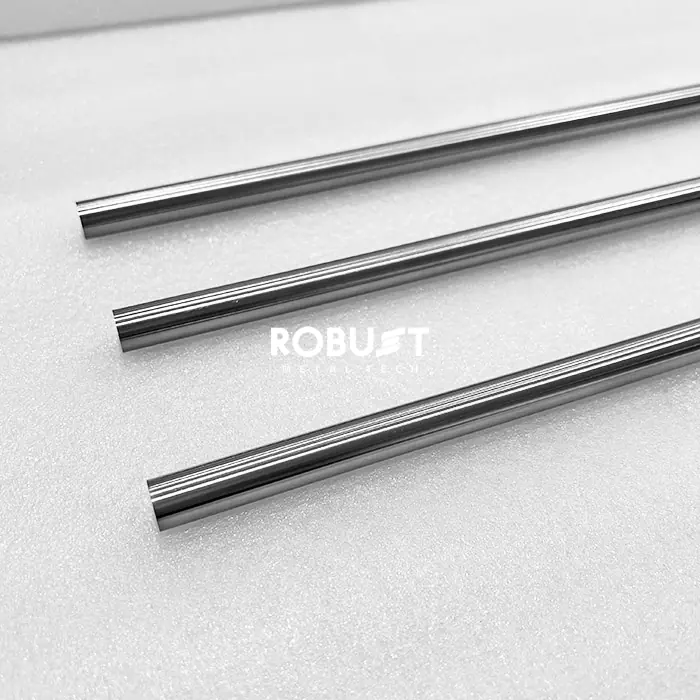
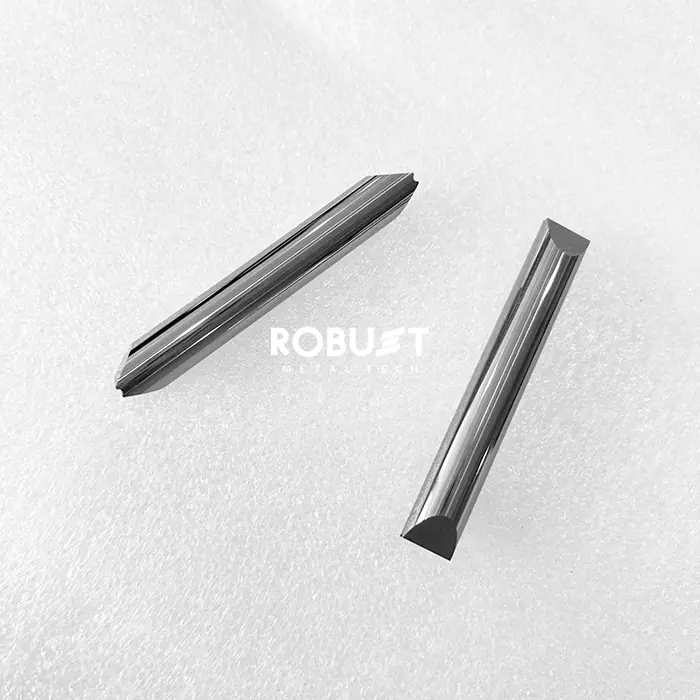
Cemented Carbide Punch is a high-precision industrial tool used to pierce, form, or stamp holes in other materials (usually steel or aluminum).
Because punches endure repeated, high-velocity impacts and intense friction, carbide is the preferred material for high-volume production lines where downtime for tool changes is costly.
Key Characteristics
High Compressive Strength: Carbide can withstand massive vertical pressure without deforming, allowing it to punch through thick or high-strength metals.
Extreme Rigidity: With a Young’s Modulus roughly 3x higher than steel, carbide punches do not flex or deflect, ensuring extremely tight tolerances in the finished part.
Superior Edge Retention: The cutting edge of a carbide punch stays sharp for millions of cycles, whereas steel punches would dull and create burrs on the workpiece.
Common Types of Carbide Punches
Solid Carbide Punches: The entire tool is carbide. Used for very small, high-precision electronic parts or medical needles.
Carbide-Tipped (Brazed): A carbide working end is brazed onto a steel shank. This combines hardness with shock absorption.
Interchangeable Inserts: Only the wear-face is a carbide disk, held in place by a mechanical retainer.
Feature | Specification Detail |
Material Grade | Sub-micron grains for sharpness or coarse grains for impact resistance |
Binder Content | 12% to 15% Cobalt is the sweet spot for most punches |
Surface Finish | Mirror finish (Ra 0.05 or lower) to reduce friction and heat buildup |
Concentricity | Within 0.002mm for high precision hole stamping |
Video
FAQs
1. When is it worth upgrading from Tool Steel to Carbide?
If steel punches require sharpening more than once a week, or if running over 300 strokes per minute, carbide is usually worth the investment.
Although cost is 3x to 5x higher, reduced downtime often pays back within the first month.
2. Why did my carbide punch snap on the first hit?
Carbide is extremely sensitive to misalignment.
If the punch is not perfectly concentric with the die or press has play, lateral force will cause instant failure.
Checklist:
Ensure die set rigidity
Check punch seating flatness
Verify uniform clearance
3. Does a carbide punch require special lubrication?
Yes. Dry punching increases friction heat and failure risk.
Use high-pressure lubricants or vanishing oils designed for carbide tooling.
For aluminum or stainless steel, lubrication prevents galling.
4. Can I use a carbide punch on thick materials?
Yes, but with caution.
Best for thin-to-medium gauge materials.
Thick plate punching increases snap-through shock and may cause carbide fracture.
5. What are the best coatings for carbide punches?
TiN: General wear resistance
TiCN: Better for stainless steel
DLC: Best for aluminum and non-ferrous metals
6. How do I prevent backing plate failure?
Carbide may sink into soft steel under high load (Brinelling).
Use hardened steel backing plates (58–62 HRC) or carbide-faced backing plates.
7. Is it possible to repair a chipped carbide punch?
Minor chips can be reground using diamond wheels.
Avoid overheating during grinding to prevent micro-cracks.
Deep cracks require scrapping the tool.
8. Why use sub-micron grain carbide for punches?
Sub-micron grains allow sharper edges and longer tool life.
Ideal for burr-free punching and high-precision applications.
Literature
Reliable Cemented Carbide Punch for Precision Metal Stamping Applications Manufacturer & Supplier in China
Robust provides high-quality Cemented Carbide Punch for Precision Metal Stamping Applications solutions for industrial, high-temperature, and precision engineering applications worldwide.
OEM & ODM Support | Fast Delivery | Factory Direct Price