Molybdenum Plates for High-Temperature Structural, Shielding and Industrial Applications
-
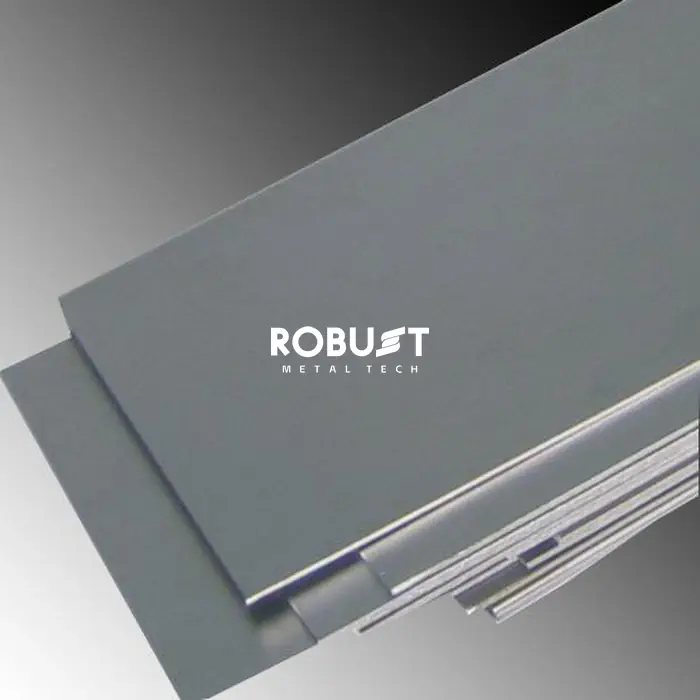
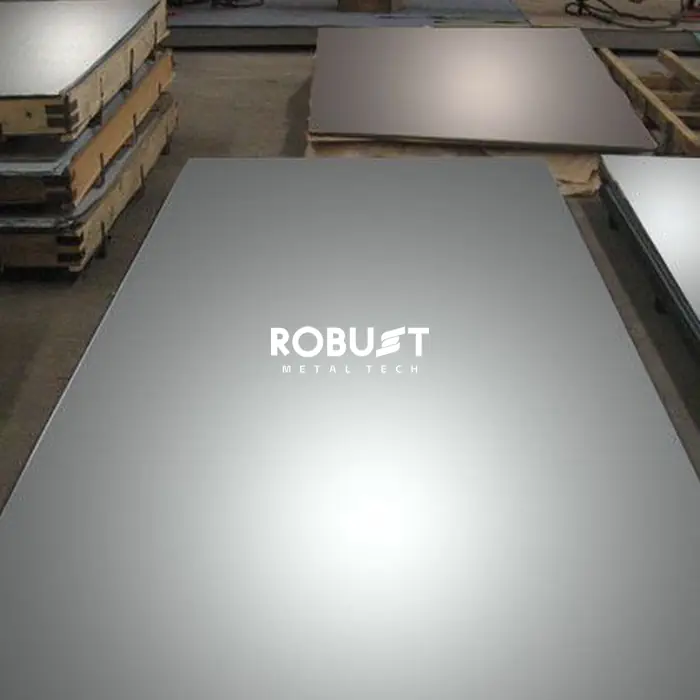
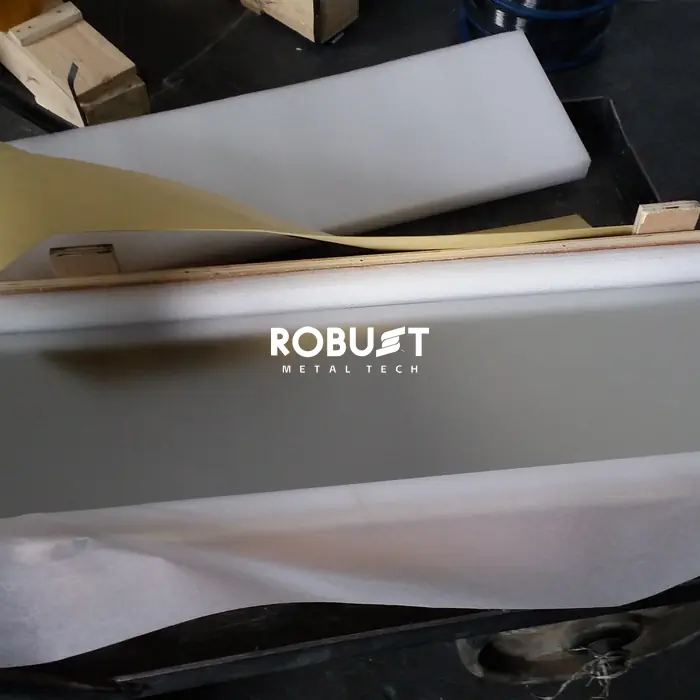
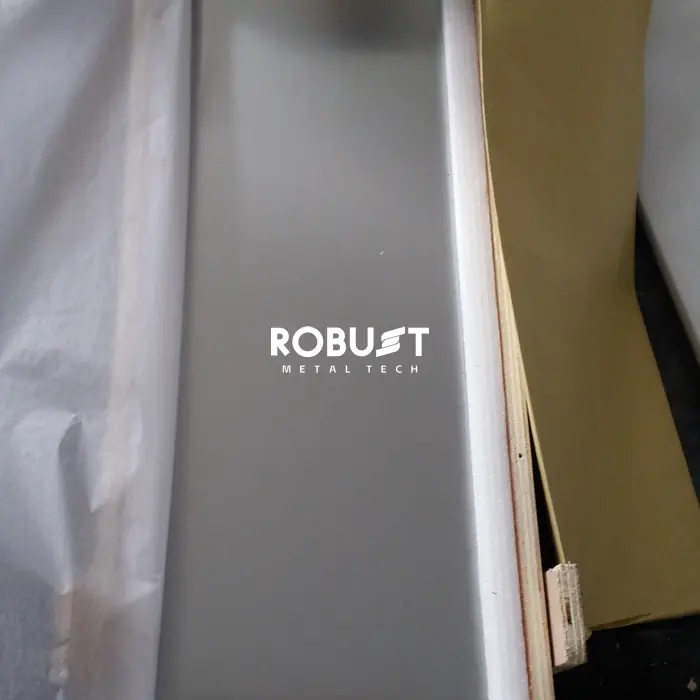
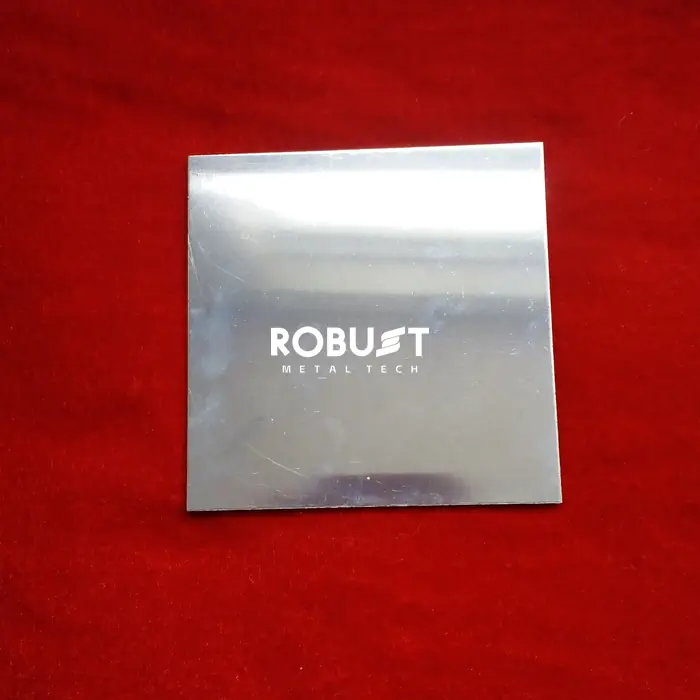
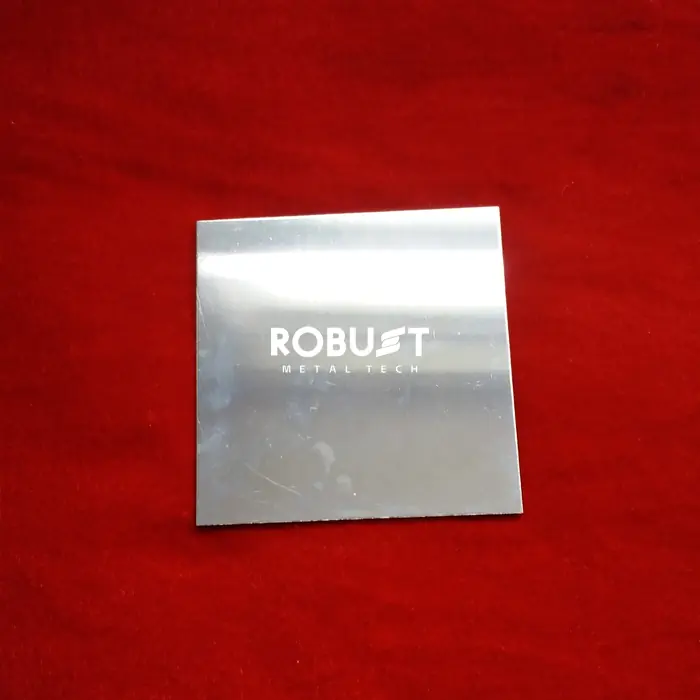
Molybdenum plates are heavy-duty refractory metal components designed for extreme temperature and vacuum environments. They are widely used in heat shielding, semiconductor systems, aerospace structures, and medical radiation protection. Known for high thermal conductivity, excellent strength at elevated temperatures, and stability under harsh conditions, molybdenum plates serve as structural backbones in critical equipment. Available in Pure Mo, TZM alloy, and Mo-La grades, they offer different levels of strength, ductility, and heat resistance. These plates are essential for furnace construction, sputtering targets, and precision industrial engineering applications requiring long-term reliability.
Description
Molybdenum Plate Overview
Molybdenum plates are the heavy-duty counterparts to molybdenum hooks, serving as the structural backbone for high-heat and vacuum environments.
Because they are often the most expensive component in a furnace or reactor build, buyers focus heavily on material grade and certification.
1. Primary Applications
Heat Shielding: Large plates are used as reflective insulation in vacuum furnaces to contain heat and protect the outer steel casing.
Electronics/Semiconductors: Used as heat sinks and sputtering targets due to their excellent thermal conductivity and high purity.
Medical Technology: Utilized as radiation shielding for X-ray equipment and as components in rotating anodes for X-ray tubes.
Aerospace: High-strength structural parts for rocket nozzles and engine exhaust cones.
2. Standard Grades & Alloys
When sourcing plates, you will likely choose between these three varieties:
Grade | Composition | Key Benefit |
Pure Moly | 99.95% Mo | Most cost-effective; best for non-structural shielding. |
TZM Alloy | Mo + 0.5% Ti + 0.08% Zr | Twice the strength of pure Moly at 1,300°C; resists sagging. |
Mo-La | Mo + Lanthanum Oxide | Stays ductile after high-heat cycles; won't snap easily when handled after use. |
3. Technical Specifications
Commodity
·
Commodity | Purity | Density | Specification | |
Molybdenum Plate | Pure Mo | ≥99.95% | ≥10.2g/cm³ | (2-40)mm*550mm (max)*1500mm(max) |
Mo-La | ≥99.9% | ≥10.2g/cm³ | ||
Doped with Ti/Zr | ≥99.9% | ≥10.2g/cm³ | ||
Video
Image Gallery


FAQs
1. Is it follow the "ASTM B386" Standard?
This is the industry benchmark.
However, be wary of "partial compliance."
A plate might meet the thickness requirements but fail the bend test.
The Test: A quality plate should withstand a 90° bend at room temperature without cracking.
If a supplier refuses to provide bend test data, the material may be made from low-quality recycled scrap.
2. Surface Finish type?
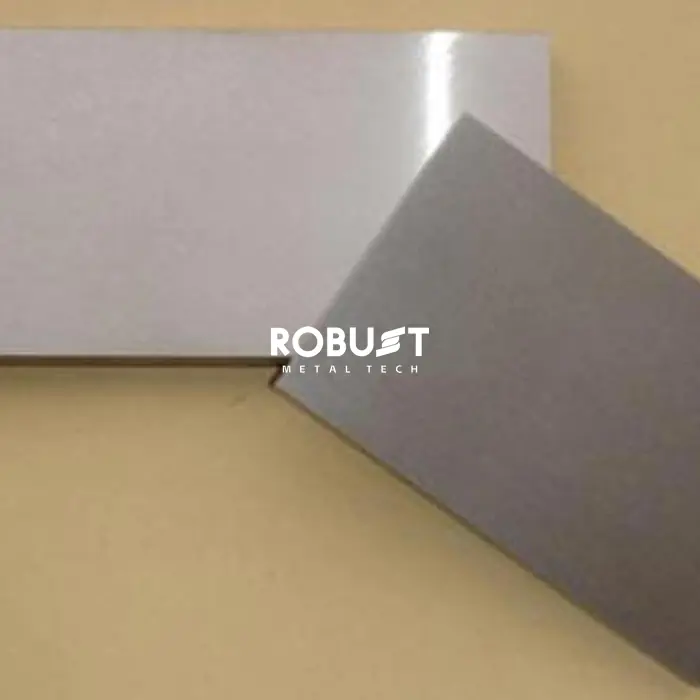
Cold Rolled/Shiny: Best for heat shielding (higher reflectivity).
Ground/Matte: Best for tight tolerances (±0.05 mm) and mechanical assembly.
Chemically Cleaned: Required for semiconductor work to ensure zero surface contaminants.
3. Grain Direction (Rolling Direction)?
Molybdenum is anisotropic, meaning it is stronger in the direction it was rolled.
Pro Tip: If you plan on bending the plate to form a tray or box, you must know the grain direction.
Bending "with the grain" is much easier.
Bending "against the grain" can cause the plate to delaminate or crack.
4. Recrystallization Embrittlement?
Like the hooks, once a Moly plate is heated above 1,100°C in a furnace, its internal structure changes.
Warning: Once "fired," the plate becomes brittle.
If your application involves vibration or frequent moving, Mo-La (Lanthanated) is the better choice as it resists this embrittlement.
Literature
Reliable Molybdenum Plates for High-Temperature Structural, Shielding and Industrial Applications Manufacturer & Supplier in China
Robust provides high-quality Molybdenum Plates for High-Temperature Structural, Shielding and Industrial Applications solutions for industrial, high-temperature, and precision engineering applications worldwide.
OEM & ODM Support | Fast Delivery | Factory Direct Price