Molybdenum Fabricated Parts for High-Temperature Industrial and Precision Applications
-
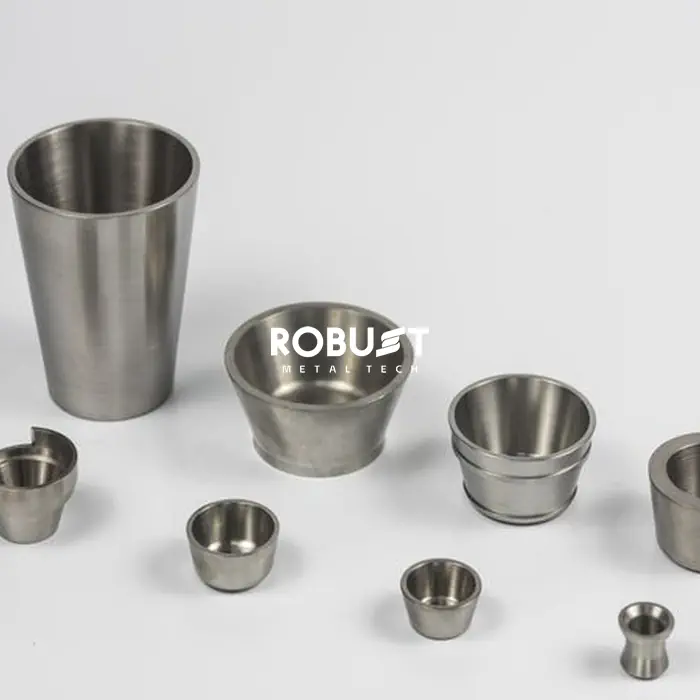
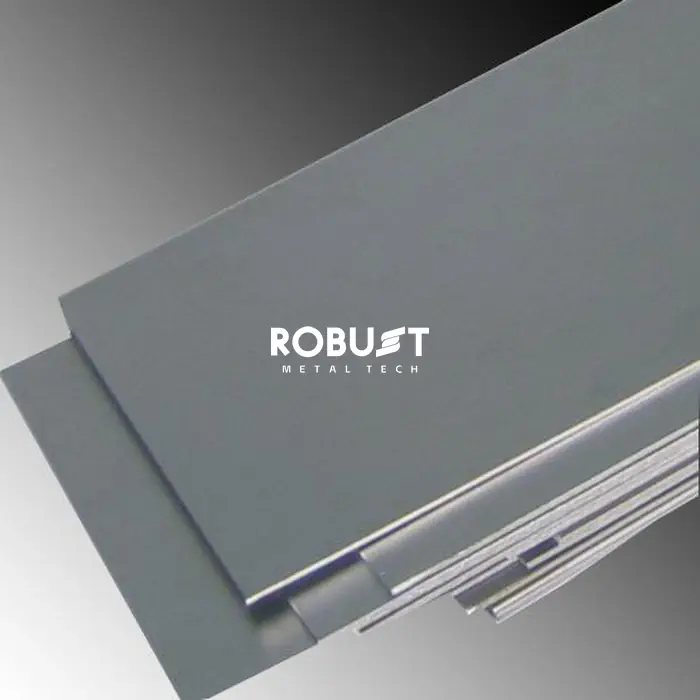
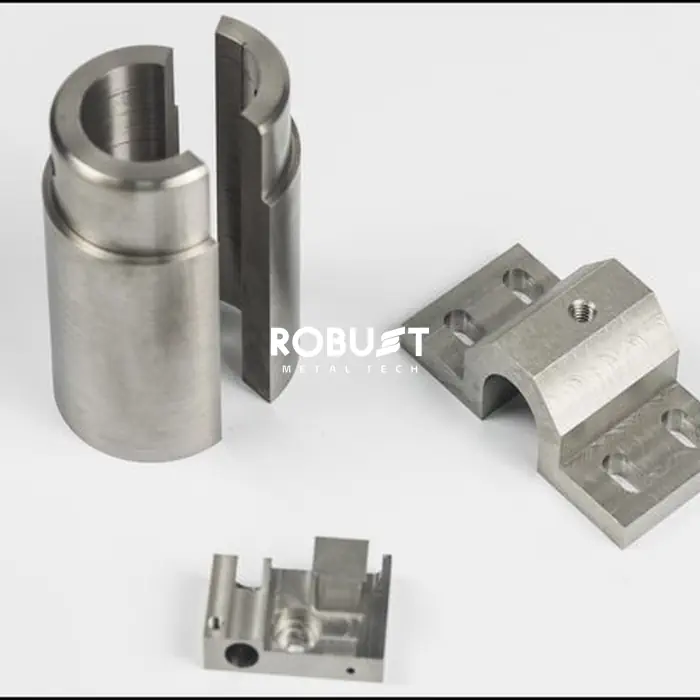
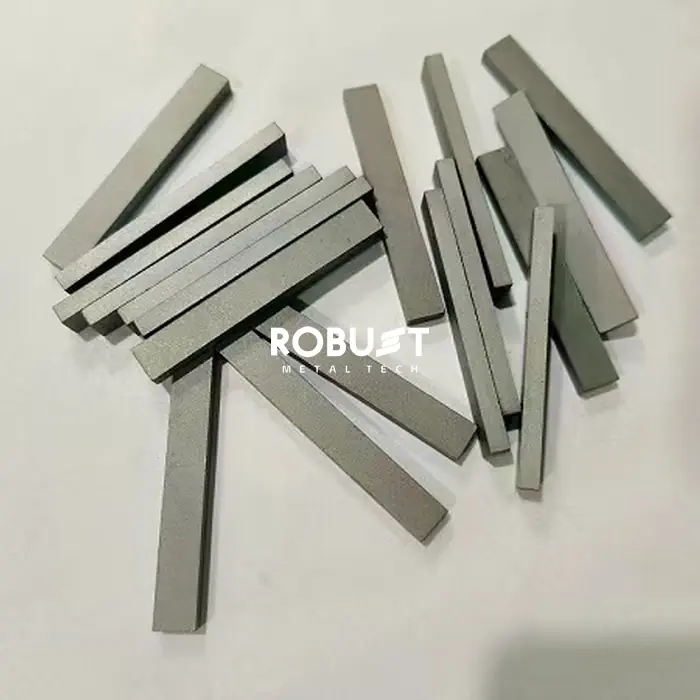
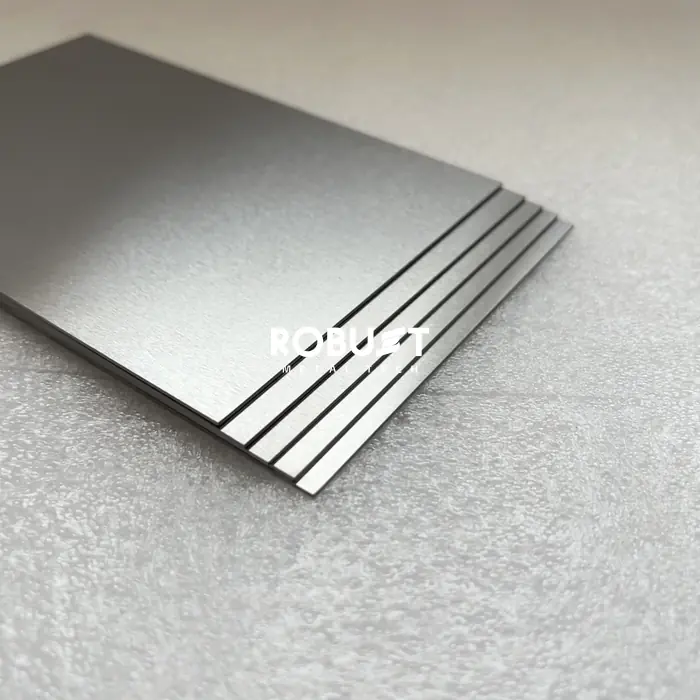
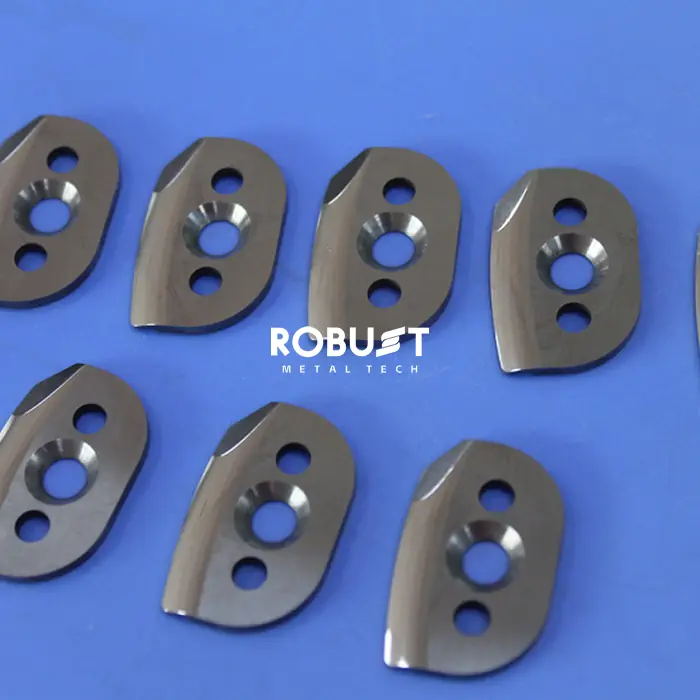
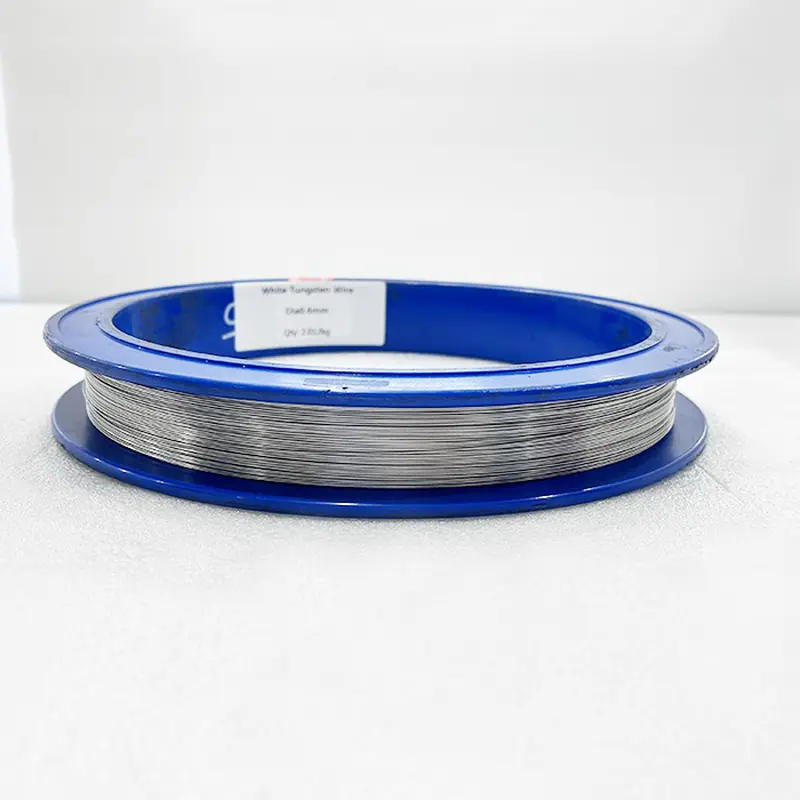
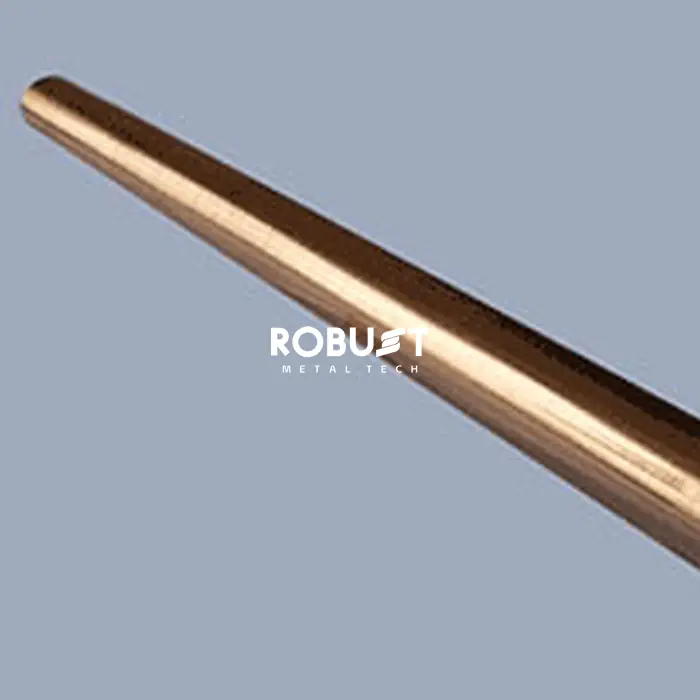
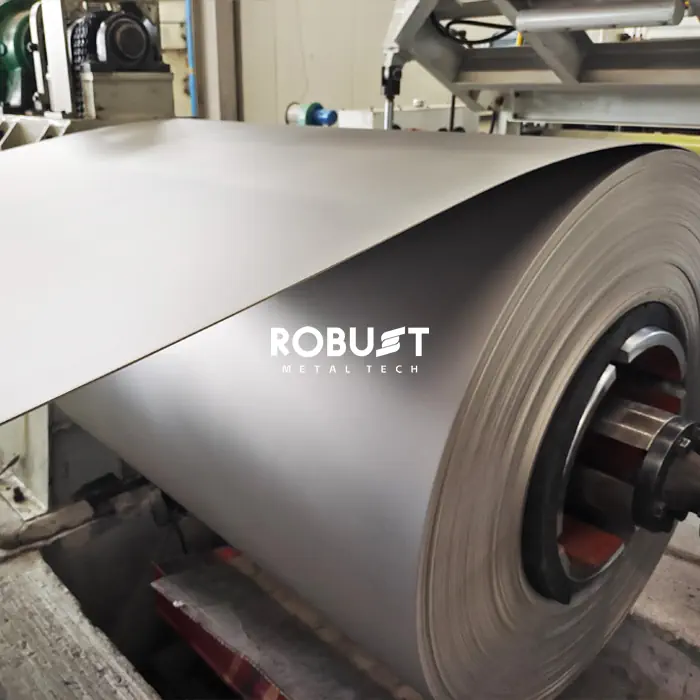
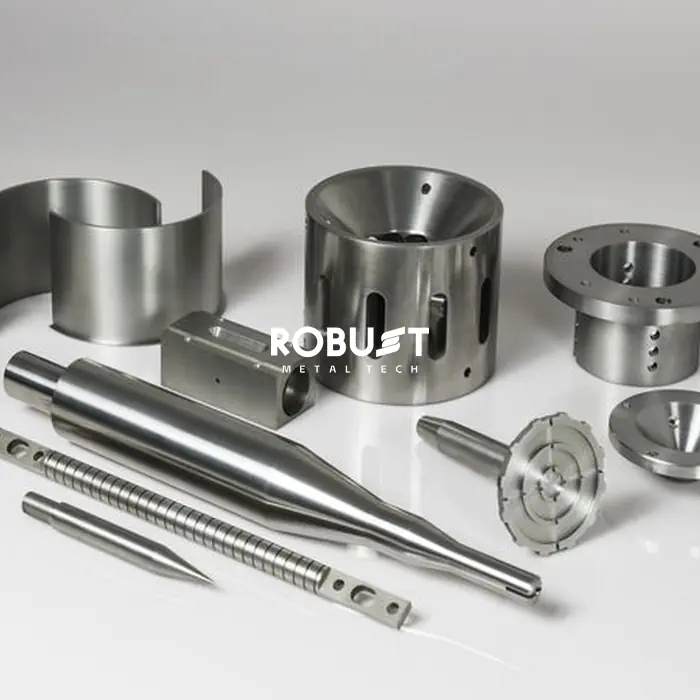
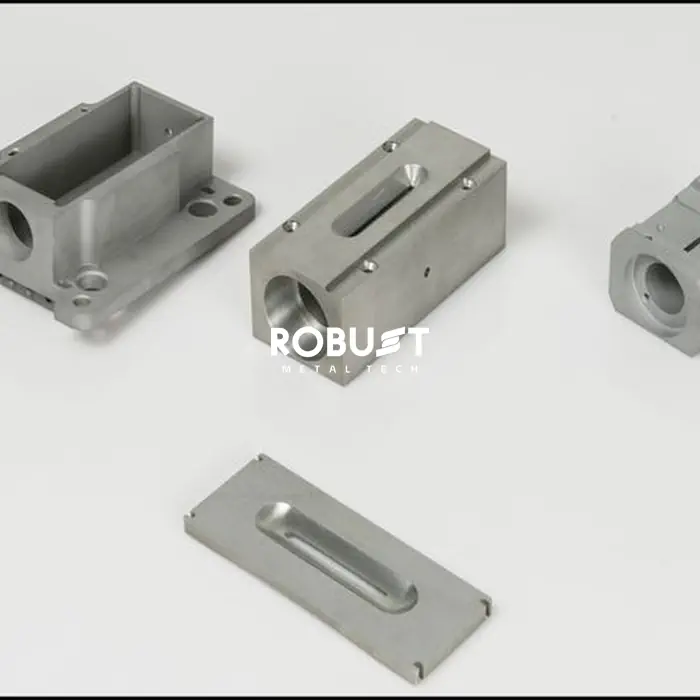
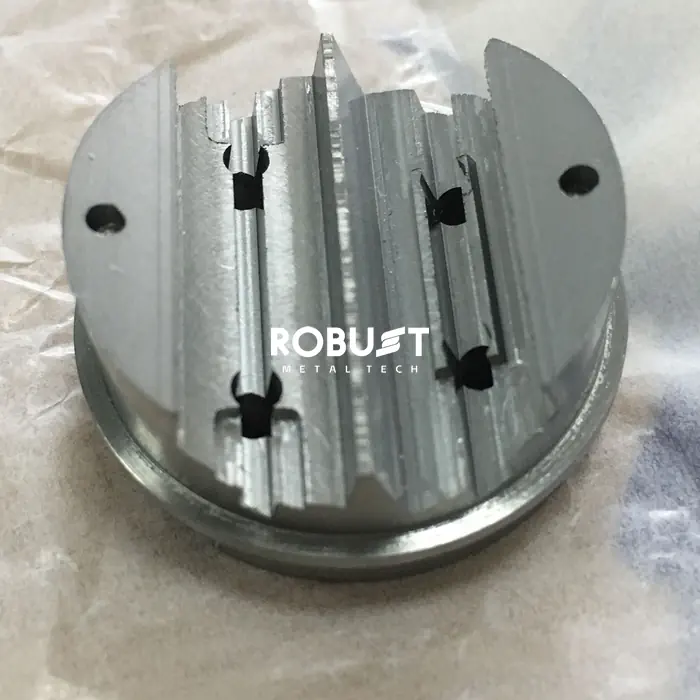
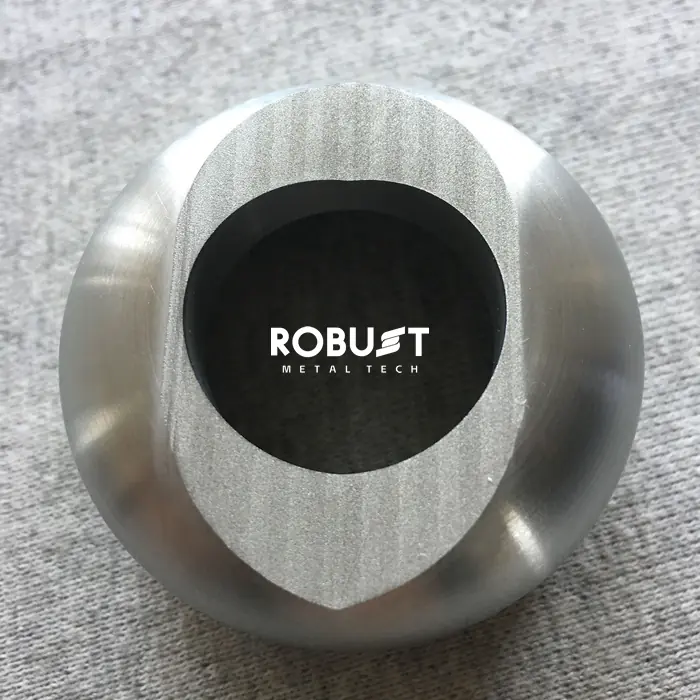
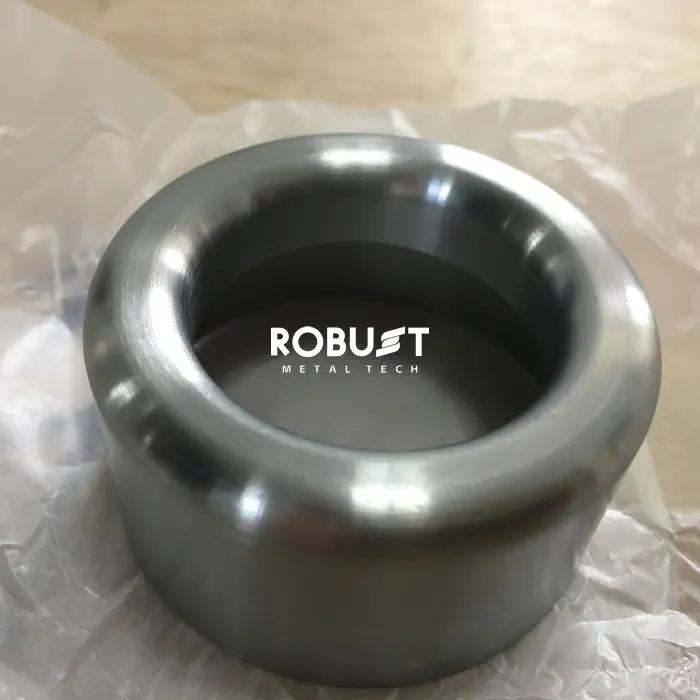
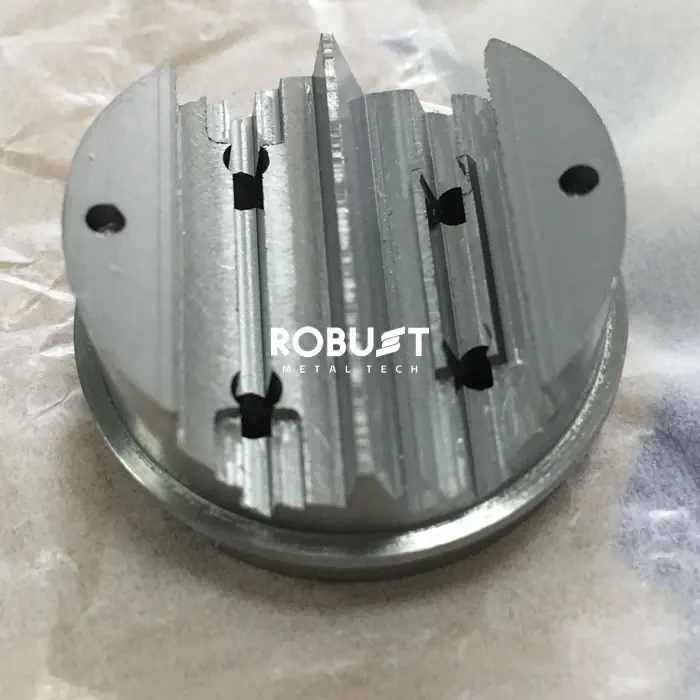
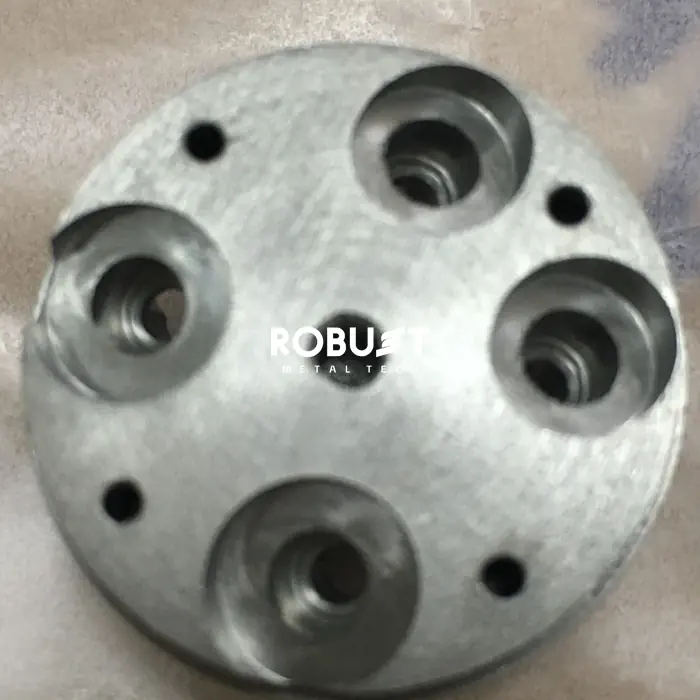
Molybdenum (moly) is a high-performance refractory metal widely used in extreme temperature engineering environments. With an exceptionally high melting point of 2,623°C, it maintains structural integrity in conditions where most metals would melt or deform. Fabricated molybdenum parts are essential in aerospace, semiconductor manufacturing, vacuum furnace systems, and advanced thermal processing industries. Due to its brittleness at room temperature, fabrication requires specialized CNC machining, EDM processing, and controlled thermal techniques. These parts are commonly used in heating systems, structural assemblies, electrodes, and precision industrial equipment where thermal stability and conductivity are critical.
Description
2. Common Fabricated Moly Components
| Part Category | Specific Examples | Common Applications |
| Furnace Hardware | Heating elements, heat shields, sintering boats, hearth rails | Vacuum and hydrogen atmospheres, HIP (Hot Isostatic Pressing). |
| Semiconductor | Ion implant arc chambers, sputtering targets, electrodes | Wafer processing and thin-film deposition. |
| Glass/Ceramic | Stirrers, orifice rings, glass melting electrodes | Production of high-quality glass and fiberglass. |
| Electronics | Power semiconductor heat sinks, LED chips, X-ray targets | Thermal management and medical imaging. |
| Aerospace | Rocket nozzles, leading-edge components, valve seats | Missile and high-speed aircraft propulsion systems. |
3. Fabrication Methods
Machining
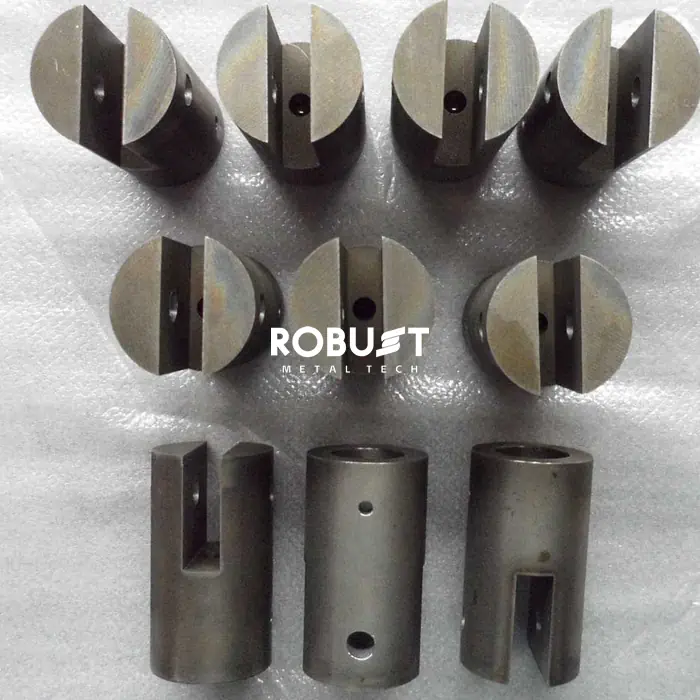
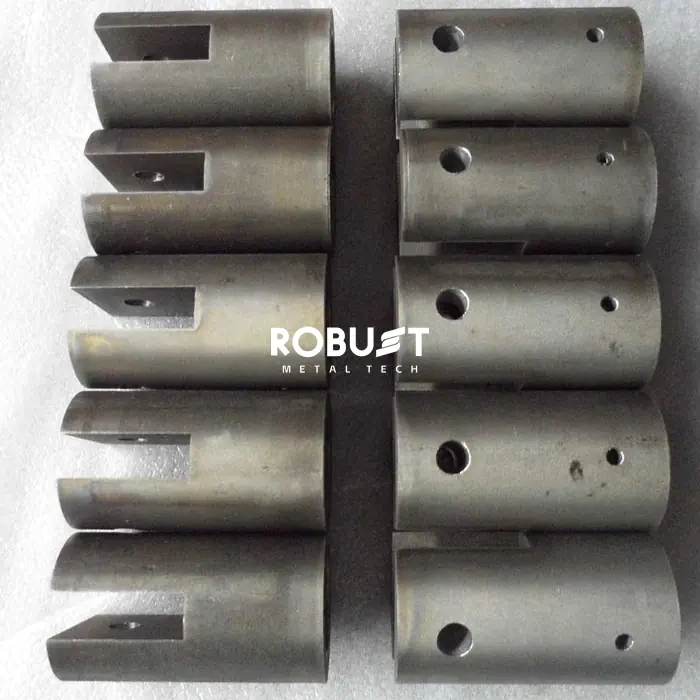
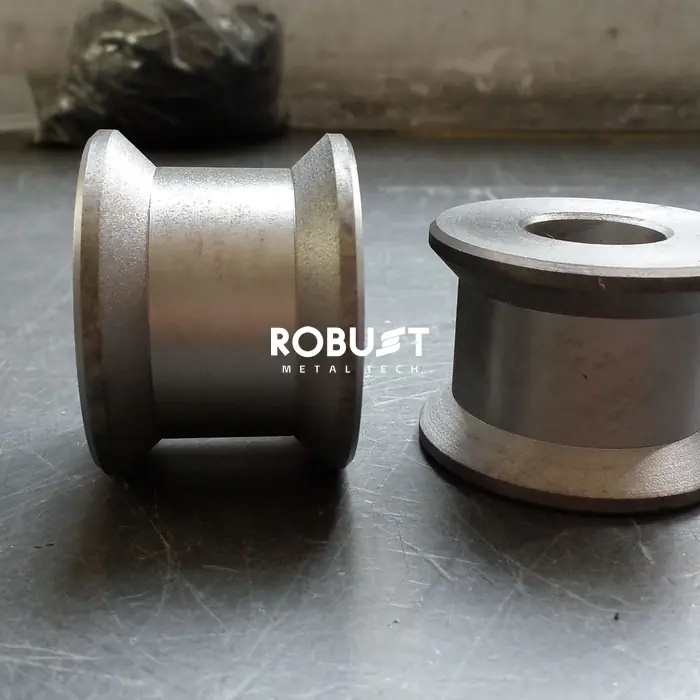
Typically involves CNC milling, turning, and threading.
Because molybdenum is abrasive, carbide or diamond-tipped tools are often required.
EDM (Electrical Discharge Machining)
Ideal for complex geometries or thin-walled parts where mechanical stress must be avoided.
Welding & Brazing
Requires inert gas shielding (like Argon) to prevent oxidation.
Vacuum brazing is often used for high-purity assemblies.
Metal Forming
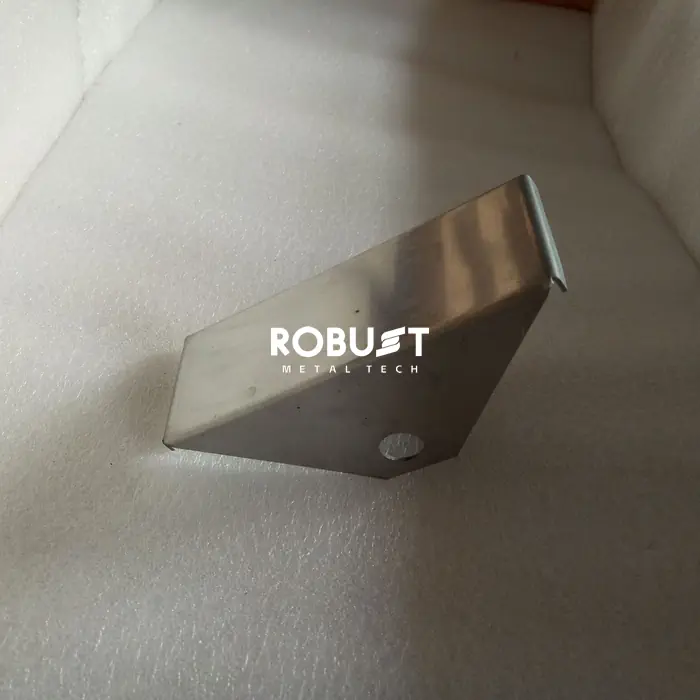
Thin sheets can be stamped or folded.
Thicker sections often require heating (warm-working) to prevent cracking.
4. Popular Alloys for Better Performance
TZM (Titanium-Zirconium-Molybdenum): Higher strength and better creep resistance than pure molybdenum at temperatures above 1,000℃.
Mo-La (Molybdenum-Lanthanum Oxide): Also known as "ML" or "Non-Sag" moly; it stays ductile after recrystallization, making it better for thin foils and furnace elements.
Pro Tip
If you are sourcing these parts, always specify if the environment is oxidizing.
Molybdenum begins to oxidize rapidly in air above 400°C.
Therefore, it is almost exclusively used in vacuum, inert, or reducing atmospheres.
Video
Image Gallery
Literature
Reliable Molybdenum Fabricated Parts for High-Temperature Industrial and Precision Applications Manufacturer & Supplier in China
Robust provides high-quality Molybdenum Fabricated Parts for High-Temperature Industrial and Precision Applications solutions for industrial, high-temperature, and precision engineering applications worldwide.
OEM & ODM Support | Fast Delivery | Factory Direct Price