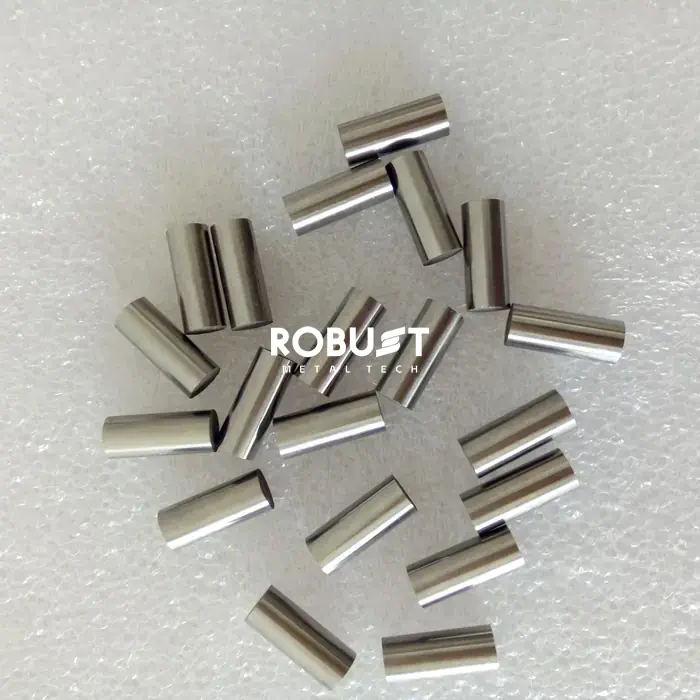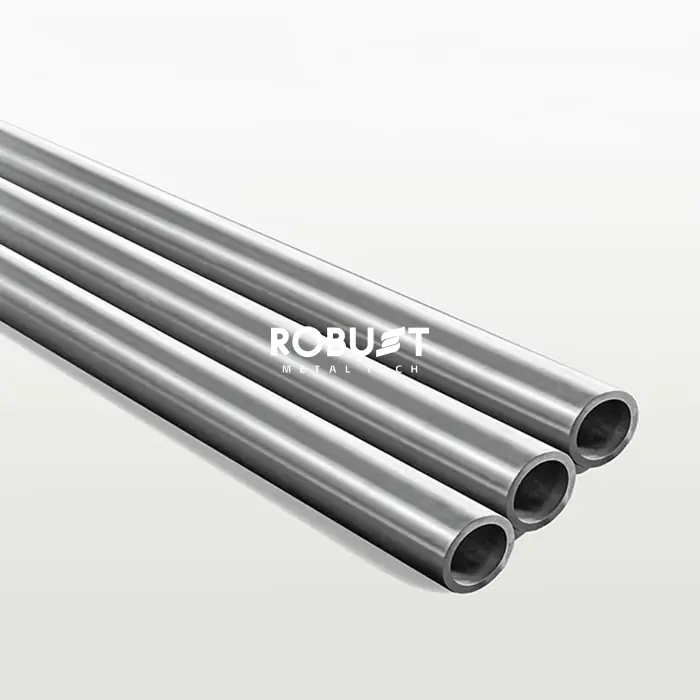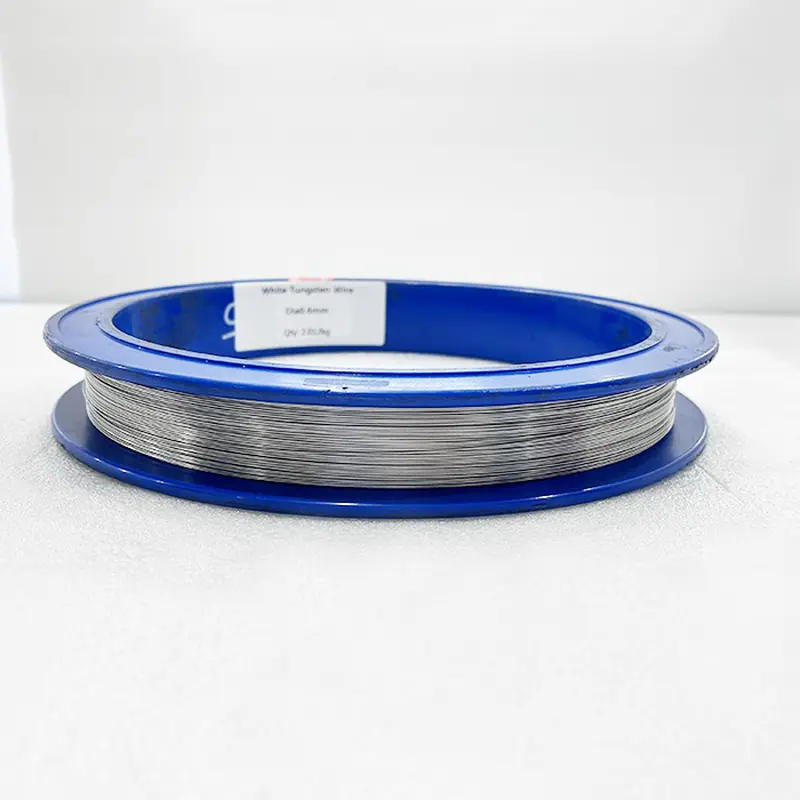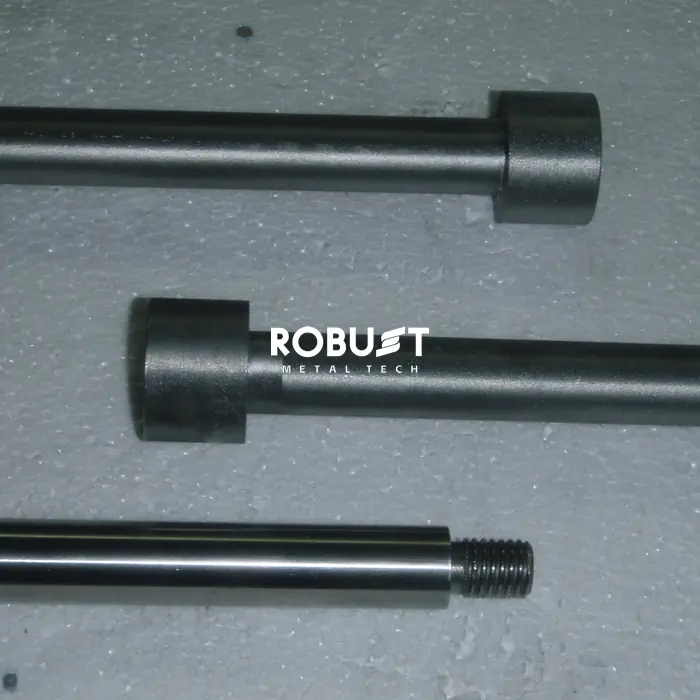
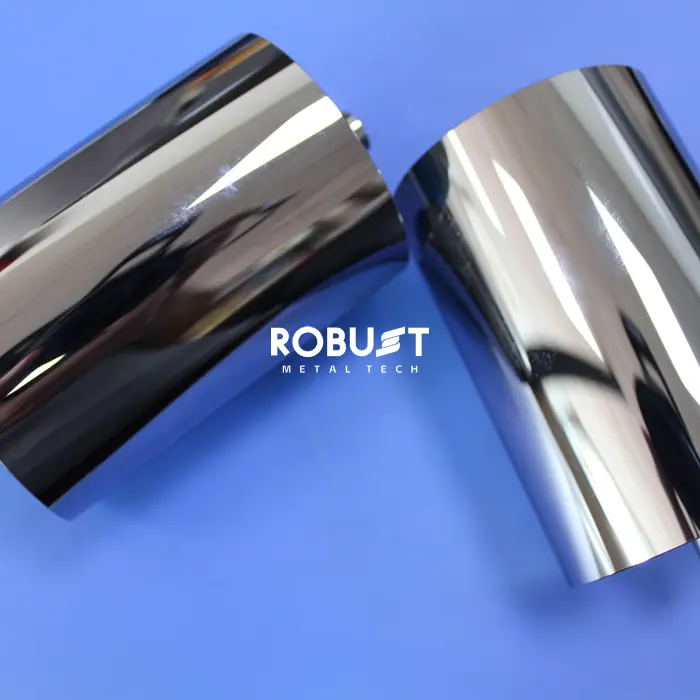
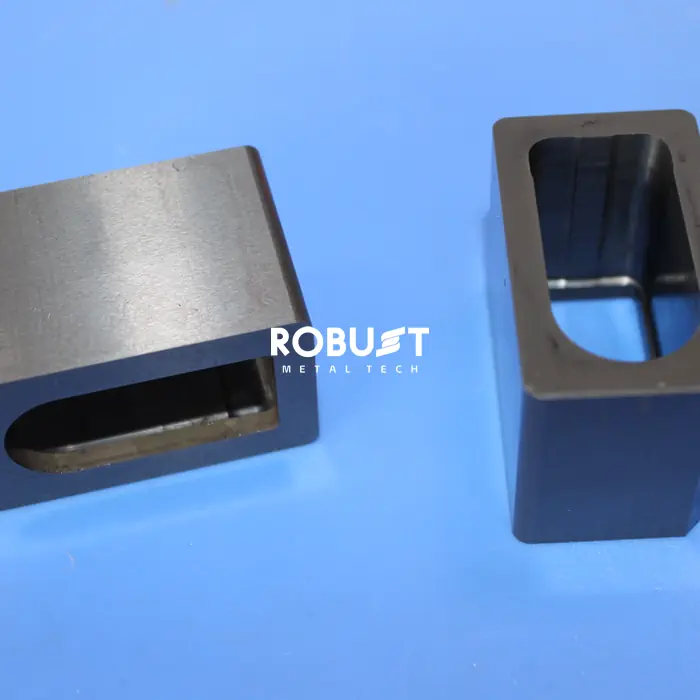
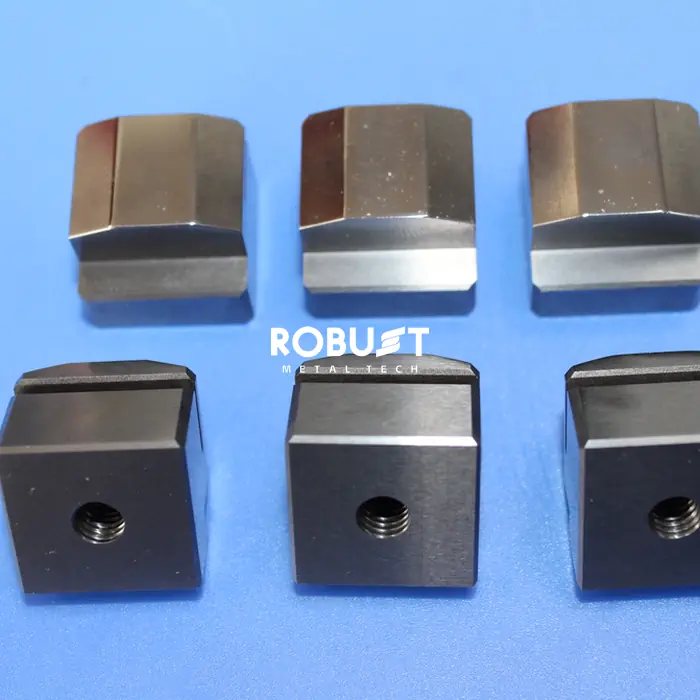
Cemented Carbide Parts for Industrial Cutting, Wear and Forming Applications
-
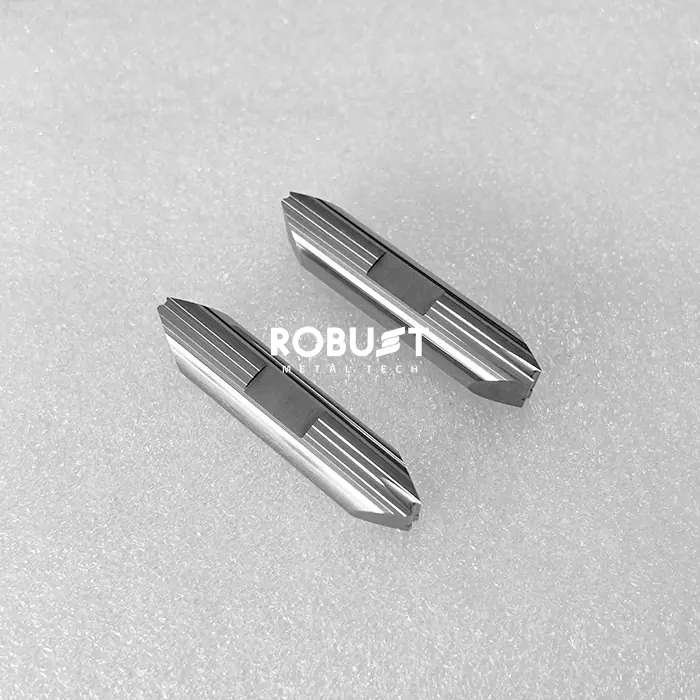
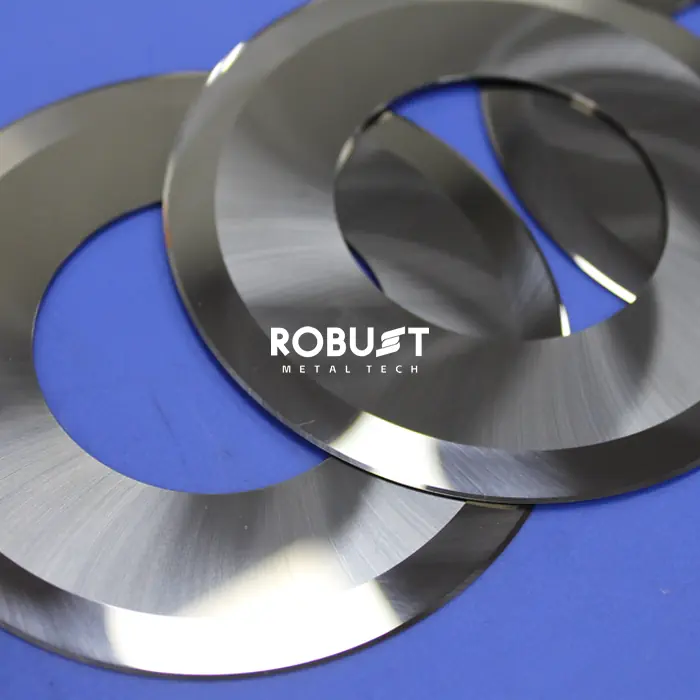
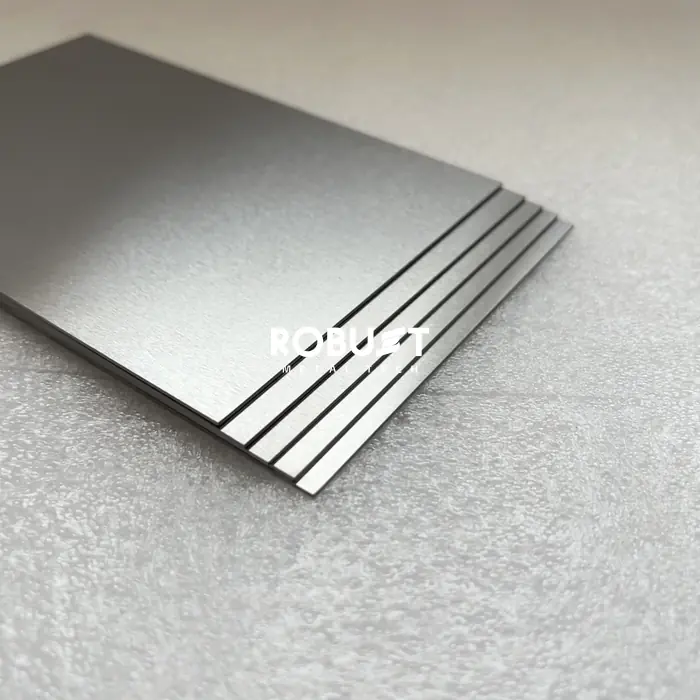
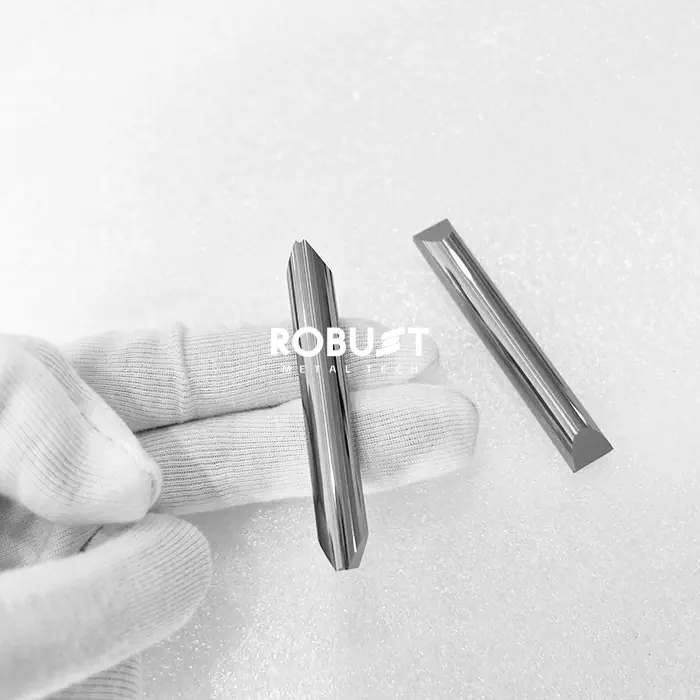
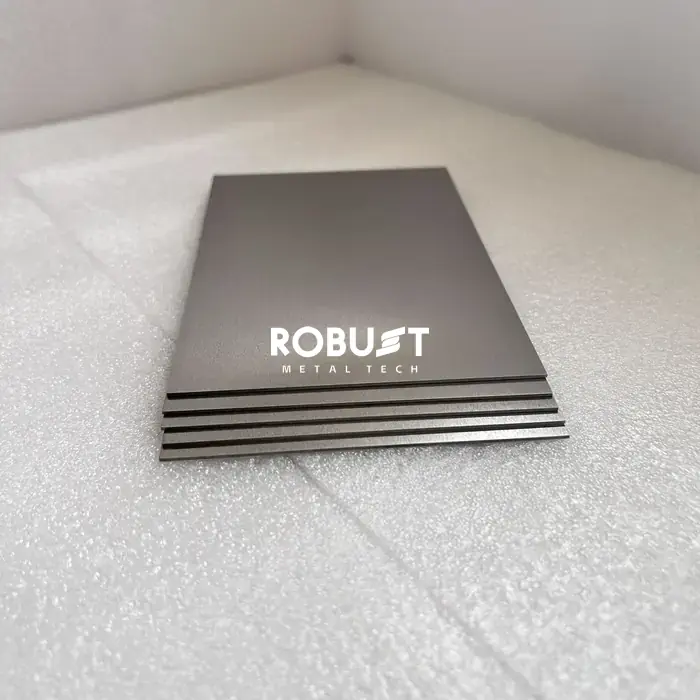
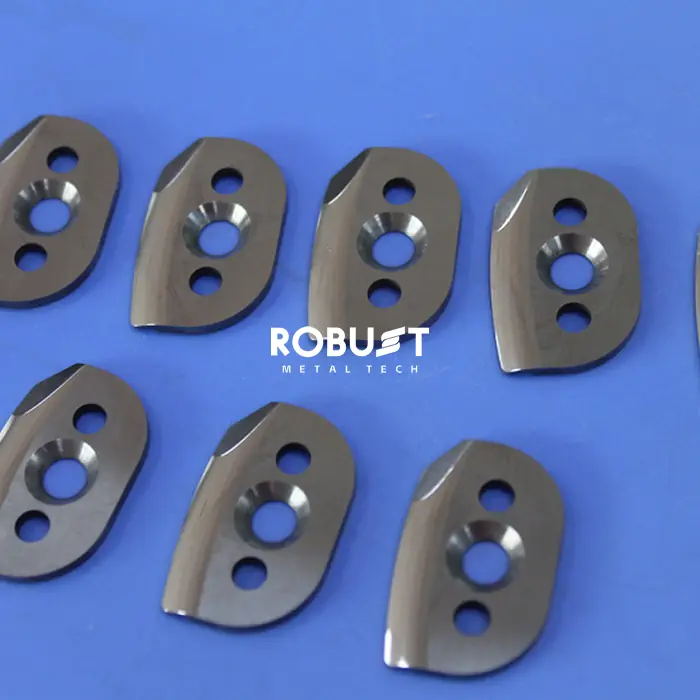
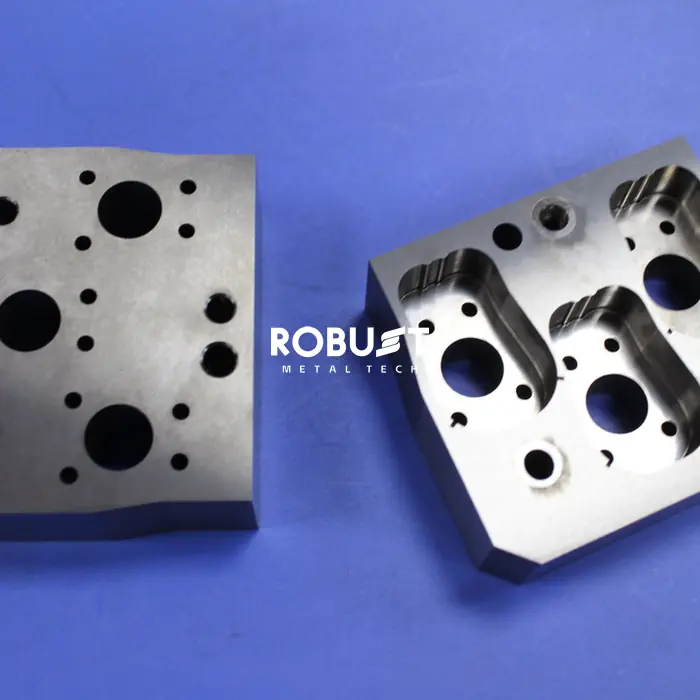
Cemented carbide parts are high performance industrial components made from tungsten carbide grains bonded with cobalt or nickel. They offer extreme hardness, high wear resistance and excellent thermal stability, making them ideal for cutting tools, wear parts, mining tools and forming dies. These components ensure long service life, stable precision and reliable performance in demanding industrial environments.
Description
Cemented Carbide Parts for Industrial Applications
Cemented carbide parts are commonly known as tungsten carbide or simply carbide components.
Cemented carbide is a composite material consisting of hard carbide particles (primarily tungsten carbide, WC) bonded together by a metallic binder (usually cobalt, Co).
This structure creates materials that are extremely hard, wear-resistant, and capable of operating under high temperature and high-speed industrial conditions.
In industrial manufacturing, cemented carbide parts are widely used where steel components would fail due to wear or deformation.
Key Physical Properties
Extreme Hardness: It ranks between 9 and 9.5 on the Mohs scale, just below diamond, making it highly resistant to wear and deformation.
High Density: Cemented carbide is significantly heavier than steel, providing stability in high-speed applications.
Thermal Stability: It maintains hardness at temperatures up to 700°C to 1000°C where steel would soften.
Compression Strength: It has very high resistance to crushing forces, but is more brittle than steel under impact loads.
Part Category | Examples | Why Carbide |
Cutting Tools | CNC Inserts, End mills, Drill bits, Saw blades | Maintains sharp edge longer and supports higher cutting speed |
Wear Parts | Nozzles, Seals, Bushings, Valves | Resists abrasion from fluids and particles |
Mining Tools | Rock bits, DTH buttons, Road milling teeth | Withstands extreme impact and abrasive environments |
Forming Dies | Wire drawing dies, Cold heading dies | Maintains dimensional accuracy under high pressure |
Video
FAQs
FAQ about Cemented Carbide Parts
1. What is the difference between Cemented Carbide and Tungsten Carbide?
In most industrial use, the terms are used interchangeably.
Tungsten Carbide (WC) is the raw hard compound.
Cemented Carbide is the finished composite material formed by bonding WC grains with a metal binder such as cobalt.
Pure WC cannot be used alone without a binder phase.
2. Why do carbide parts chip during use?
Chipping occurs because carbide is extremely hard but relatively brittle.
Common causes include interrupted cutting, vibration, thermal shock, and incorrect material grade selection.
Insufficient machine rigidity can also significantly increase failure risk.
3. Can cemented carbide be welded to steel?
No, traditional welding cannot be used due to thermal shock risk.
Brazing with silver-based filler metals is the standard method for joining carbide to steel.
Mechanical fastening or high-strength adhesives are also used in specific applications.
4. How are carbide parts sharpened or machined?
Standard grinding wheels cannot machine carbide effectively.
Diamond grinding wheels are required for precision sharpening.
EDM (Electrical Discharge Machining) is used for complex shapes and high-precision processing.
5. Does carbide corrosion or rust?
Tungsten carbide has strong oxidation resistance.
However, the cobalt binder can corrode in humid or chemical environments.
Nickel-binder grades are used when higher corrosion resistance is required.
6. How to choose grain size in carbide?
Fine grain carbide provides higher hardness and sharper cutting edges for precision tools.
Coarse grain carbide offers better toughness and resistance to impact and thermal stress.
7. Is cemented carbide recyclable?
Yes, carbide recycling is widely used in industry.
Scrap carbide contains valuable tungsten and is chemically processed back into powder form for reuse.
8. What is the difference between HRA and HRC hardness?
HRC is used for steel materials and typically measures up to 60–65 HRC.
HRA is used for carbide materials, typically ranging from 85–93 HRA.
Carbide is too hard for standard HRC testing methods.
Literature
Reliable Cemented Carbide Parts for Industrial Cutting, Wear and Forming Applications Manufacturer & Supplier in China
Robust provides high-quality Cemented Carbide Parts for Industrial Cutting, Wear and Forming Applications solutions for industrial, high-temperature, and precision engineering applications worldwide.
OEM & ODM Support | Fast Delivery | Factory Direct Price