Molybdenum Fasteners for High-Temperature Vacuum Furnace Applications
-
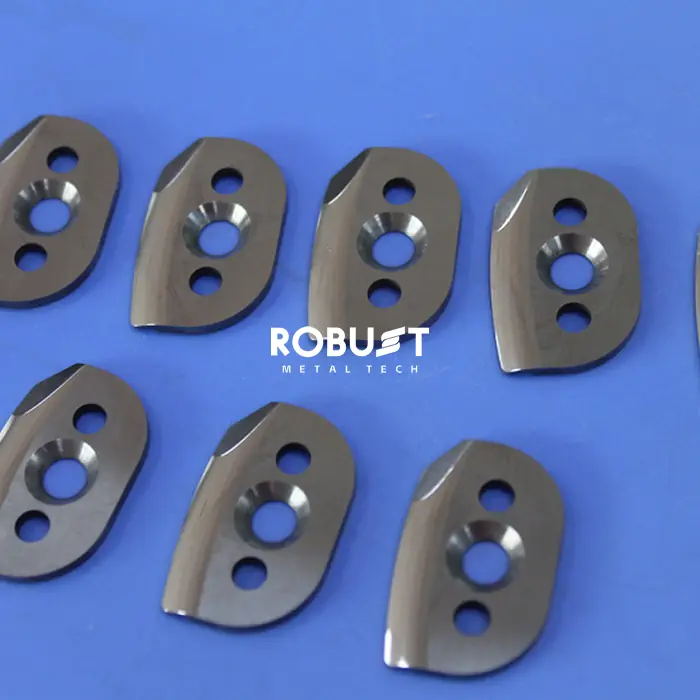
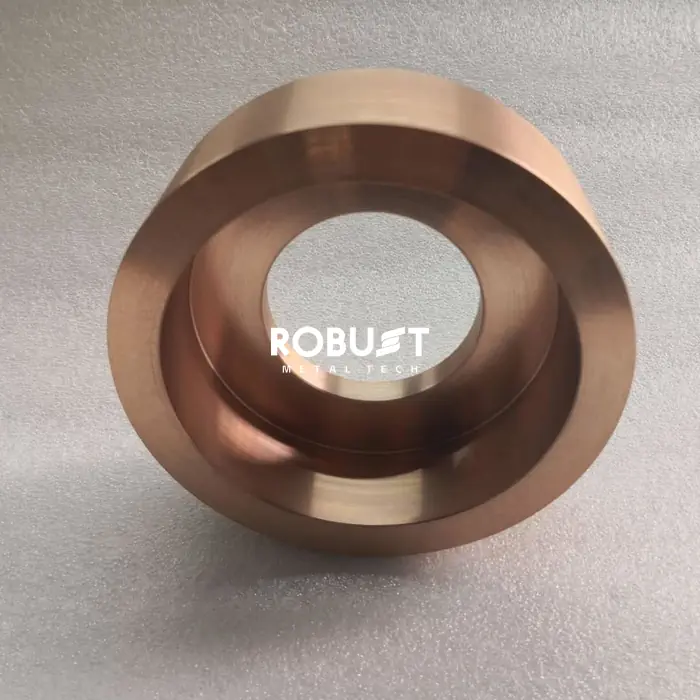
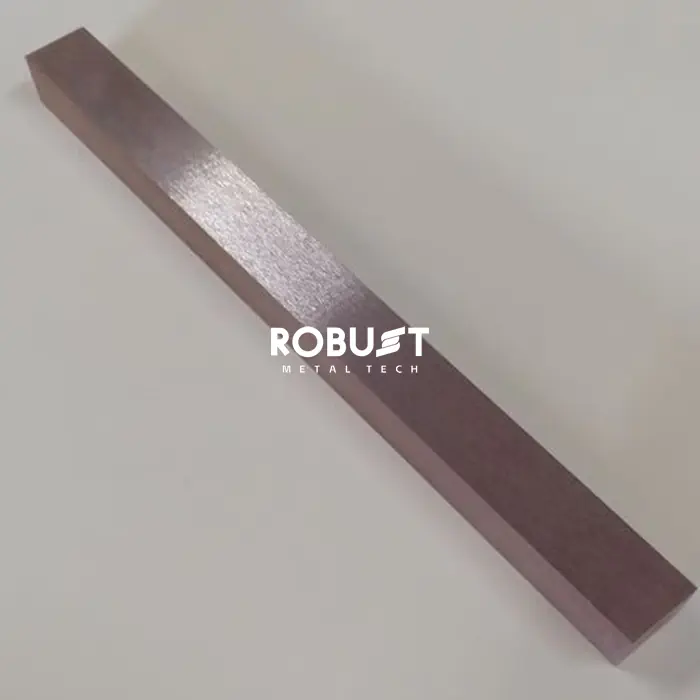
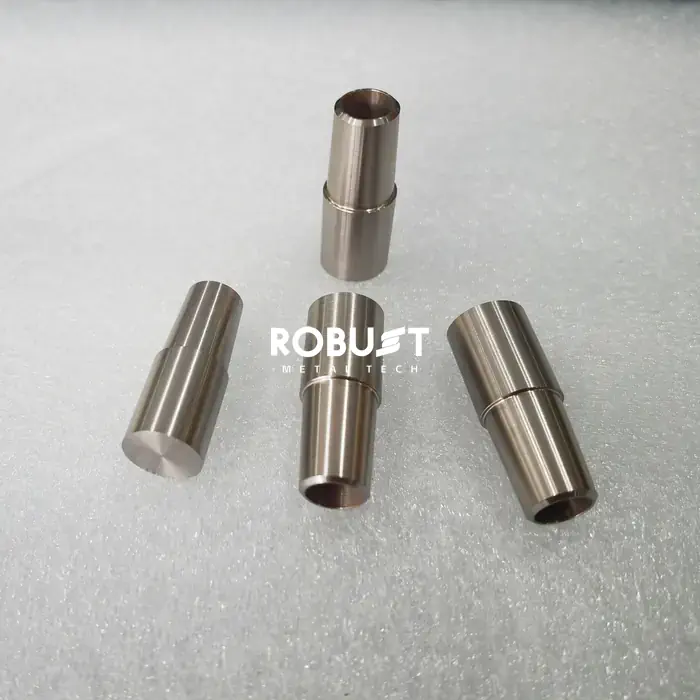
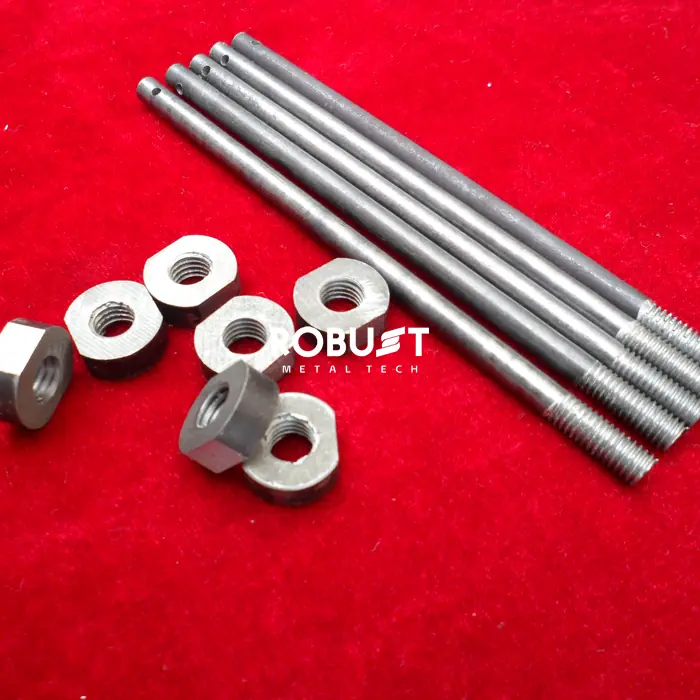
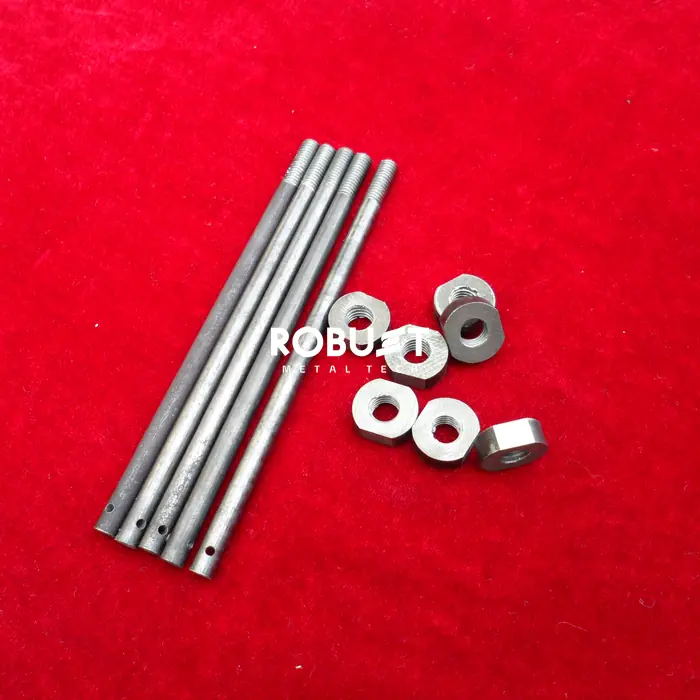
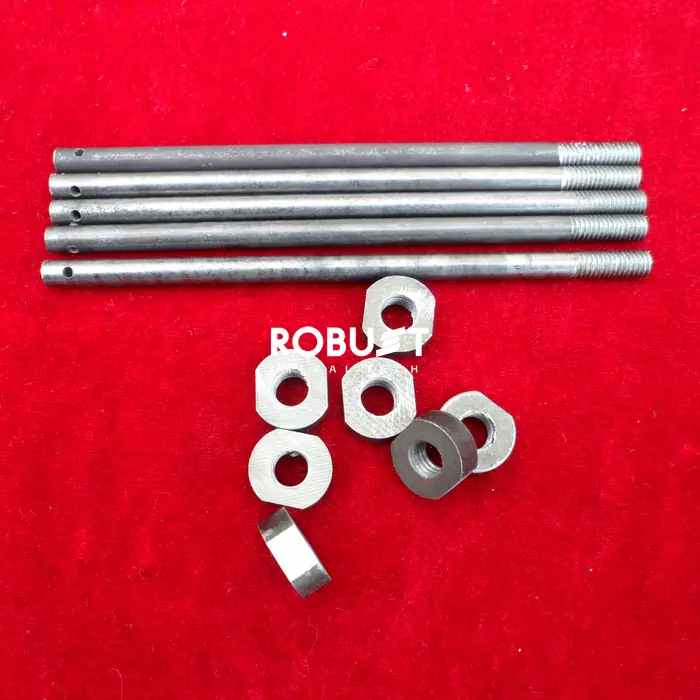
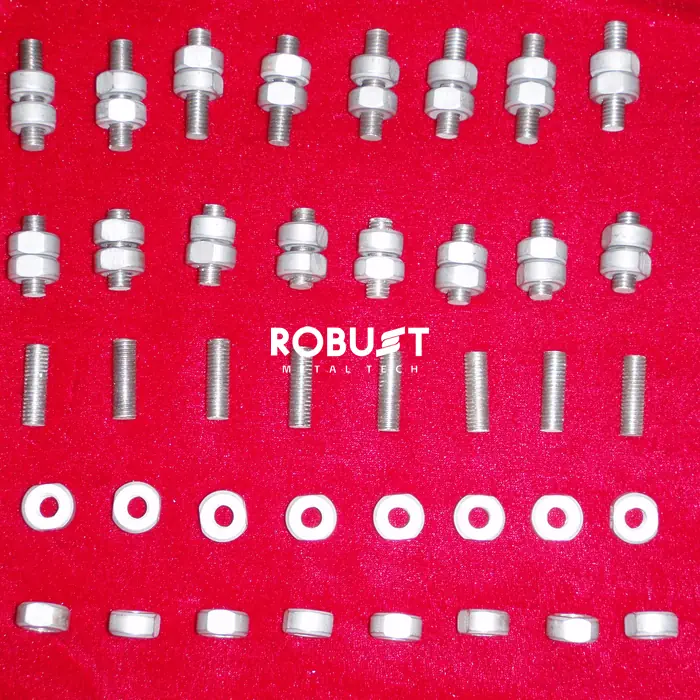
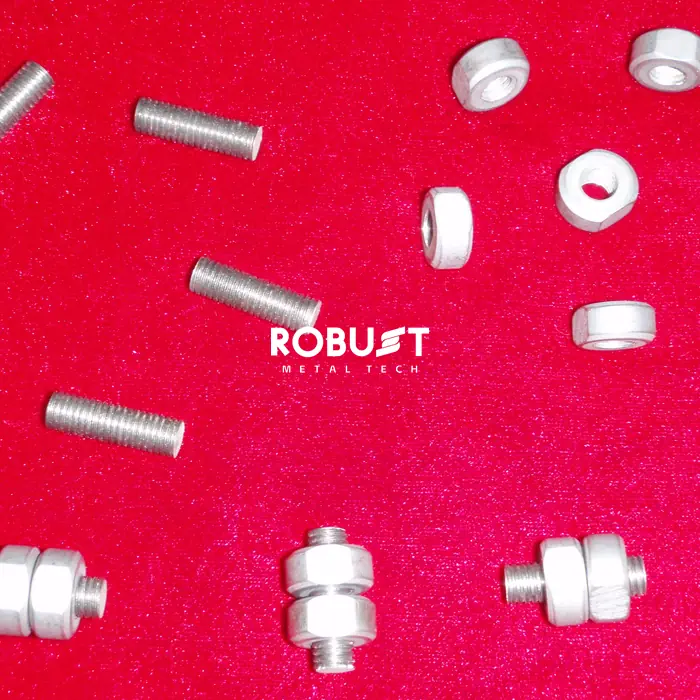
Molybdenum fasteners including bolts, nuts, washers, and threaded rods are critical hardware for high-temperature industrial systems. They are widely used in vacuum furnace and inert gas environments where conventional steel fasteners fail. Unlike steel components that lose strength at around 500°C, molybdenum fasteners maintain rigidity and structural stability at temperatures exceeding 1,500°C. They are designed for assembling heat shields, structural frames, electrodes, and thermal processing equipment. These fasteners are available in multiple configurations such as hex bolts, cap screws, threaded rods, nuts, washers, and set screws. Engineered for precision and durability, they provide reliable fastening performance in extreme thermal conditions and reduce failure risks in critical high-temperature assemblies.
Description
1. Common Types of Fasteners We Supply
Hex Bolts & Cap Screws: The primary choice for structural assembly in vacuum furnaces.
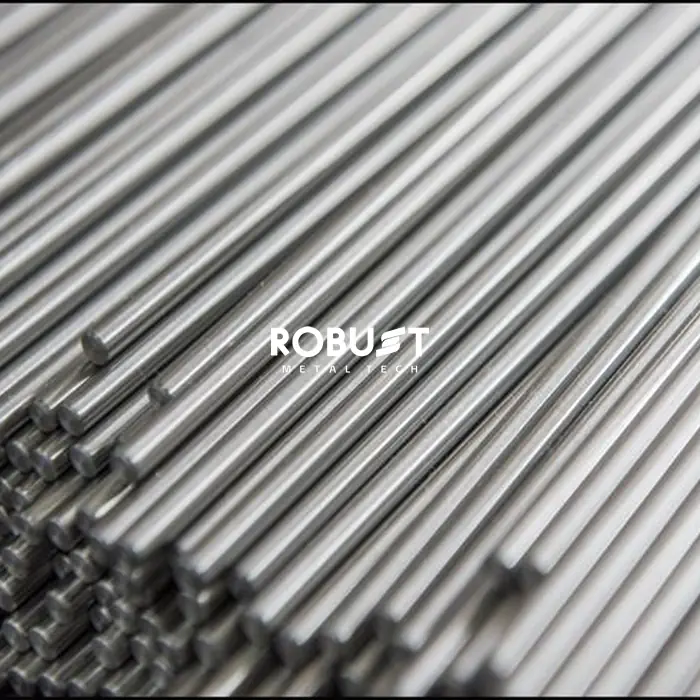
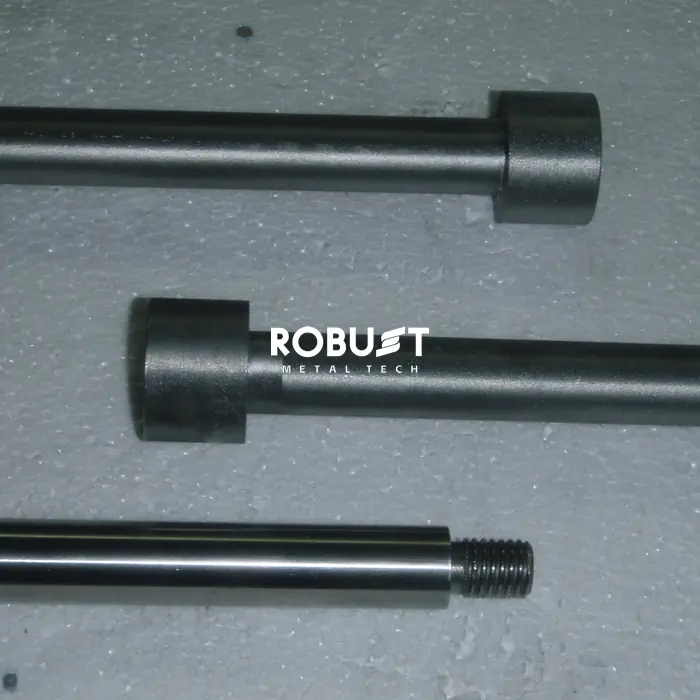
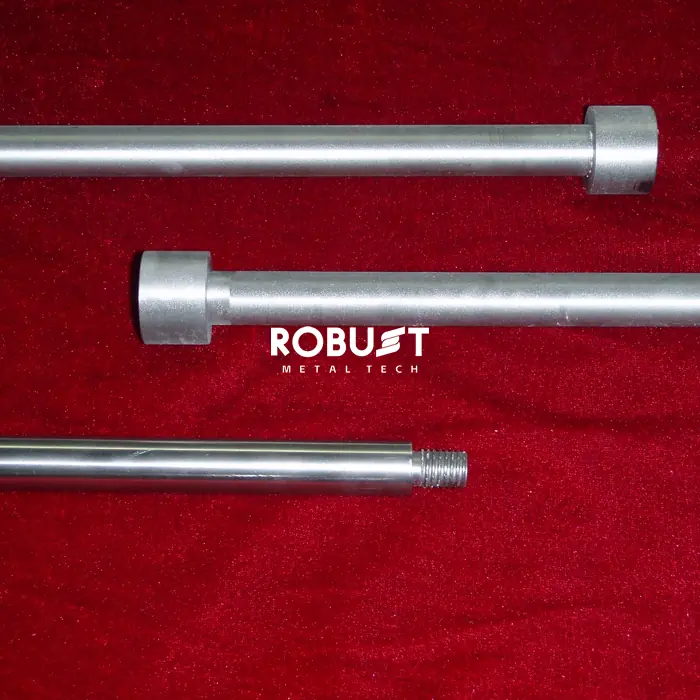
Threaded Rods: Frequently used to hang heat shields or create custom-length support structures.
Hex Nuts & Square Nuts: Usually paired with washers to distribute load across brittle molybdenum plates.
Grub Screws / Set Screws: Often used to secure molybdenum hooks or electrodes in place.
2. How to Choose Molybdenum Fasteners
A. Machined vs. Rolled Threads
Machined Threads: Cut into the rod. They are precise but can have "micro-tears" that lead to cracks under stress.
Rolled Threads: Formed by pressing the metal. This creates a superior grain flow, making the threads much stronger and less likely to shear off at high temperatures. Always prefer rolled threads for load-bearing parts.
B. Head Integrity
Molybdenum is notch-sensitive. If the transition between the bolt head and the shaft is a sharp 90-degree angle, it will snap.
Quality fasteners have a radiused fillet (a slight curve) under the head to distribute stress.
C. Metric vs. Imperial
While the US uses Imperial (1/4-20, etc.), the global vacuum furnace industry is heavily slanted toward Metric (M3 to M20).
Buyers should double-check their shielding hole patterns before ordering, as re-drilling a molybdenum plate in the field is nearly impossible without specialized bits.
3. Material Comparison for Fasteners
| Feature | Pure Molybdenum | TZM Alloy Fasteners |
| Typical Use | Light shielding, low stress. | High-vibration or heavy-load areas. |
| Torque Limit | Lower; prone to snapping if over-tightened. | Higher; better toughness. |
| Cost | Baseline. | ~30% higher. |
| Longevity | Good for static setups. | Better for parts that need frequent disassembly. |
Video
FAQs
1. Can I reuse them?
Only if they haven't been heated above 1,100°C. Once they pass the recrystallization point, they become one-time use.
If you try to unscrew a fired molybdenum bolt, the head will often snap off.
2. Do I need molybdenum washers?
Yes. If you use a molybdenum bolt to hold a molybdenum plate, you must use a moly washer.
Using a different metal (like stainless) will cause a eutectic reaction where the two metals melt each other at a lower temperature than either would alone.
Literature
Reliable Molybdenum Fasteners for High-Temperature Vacuum Furnace Applications Manufacturer & Supplier in China
Robust provides high-quality Molybdenum Fasteners for High-Temperature Vacuum Furnace Applications solutions for industrial, high-temperature, and precision engineering applications worldwide.
OEM & ODM Support | Fast Delivery | Factory Direct Price