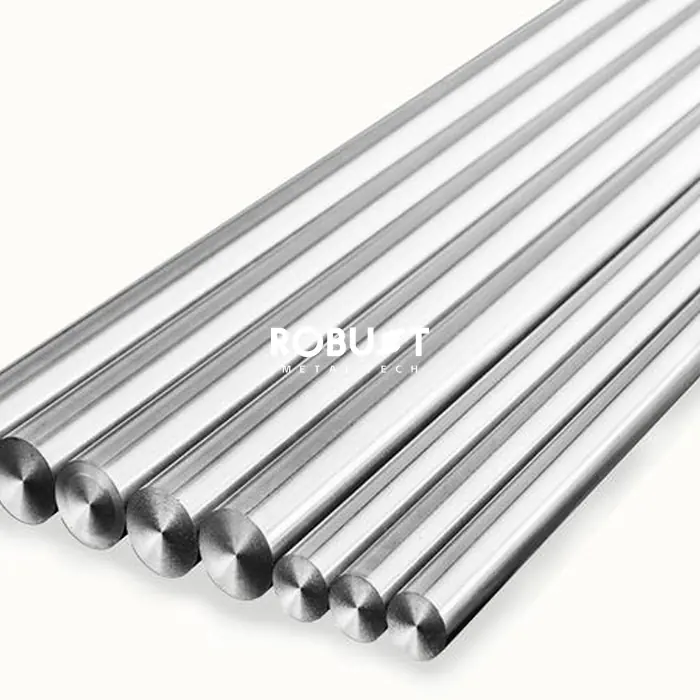
Molybdenum Rods and Bars for High-Temperature Structural and Industrial Applications
-
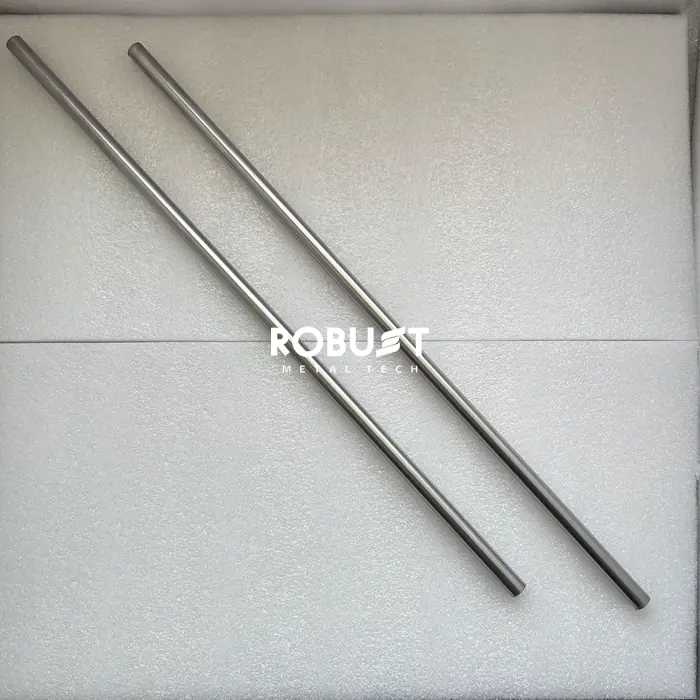
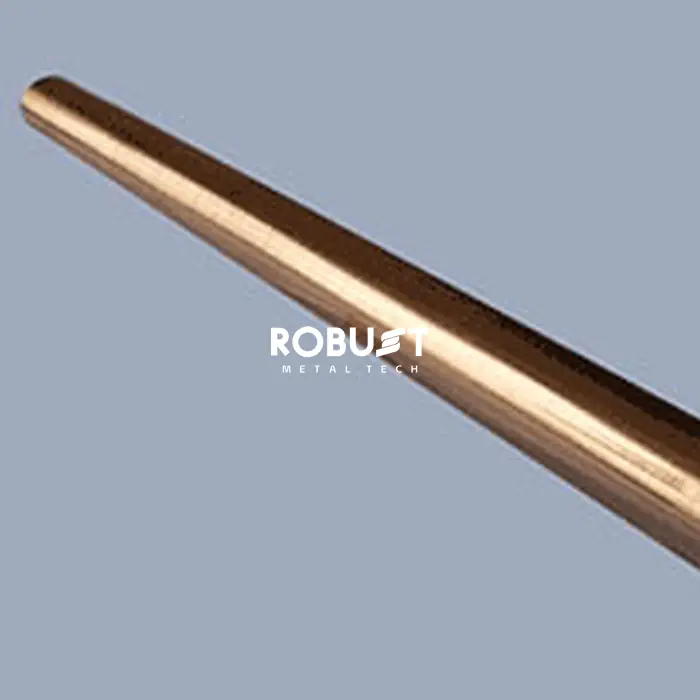
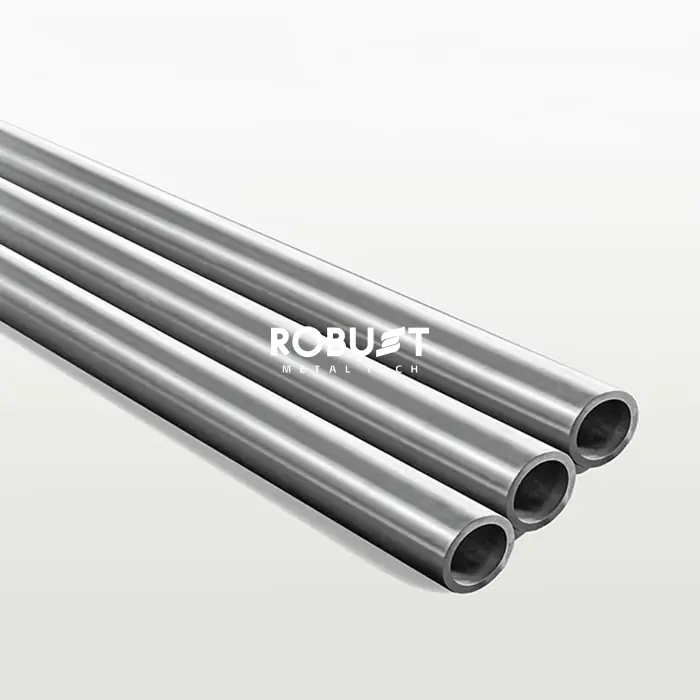
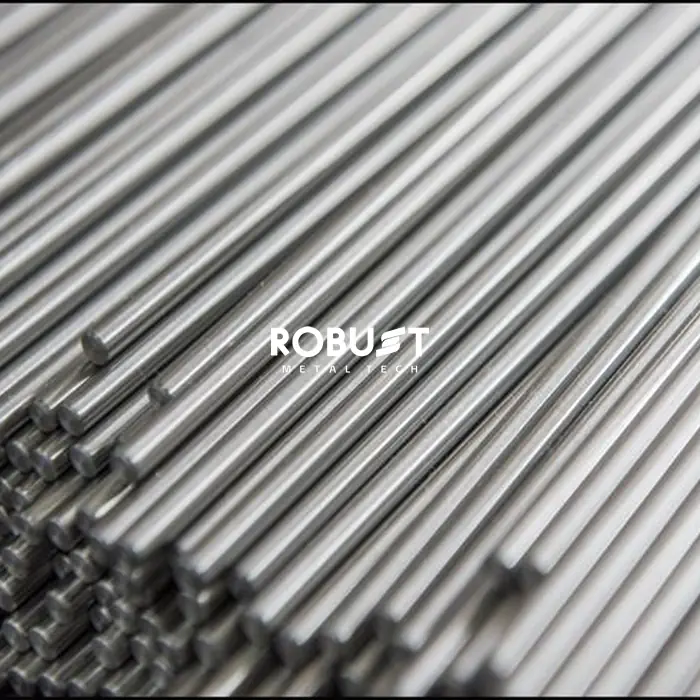
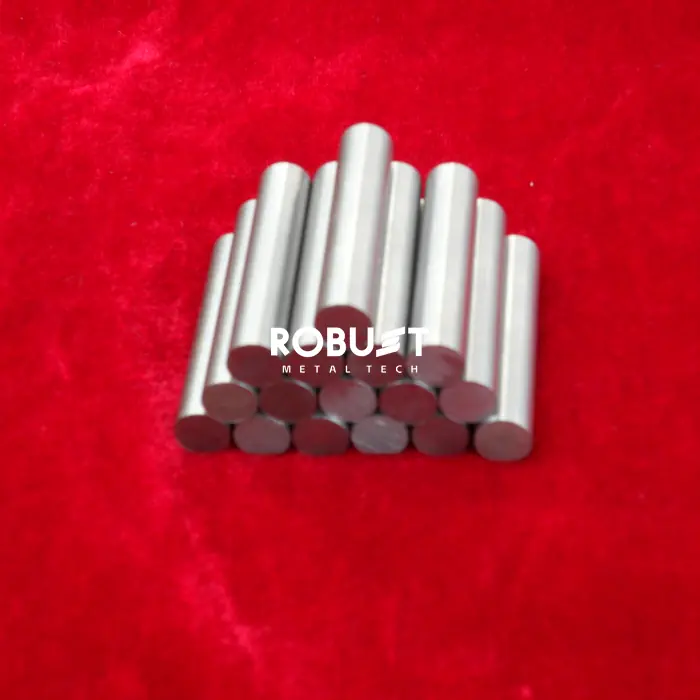
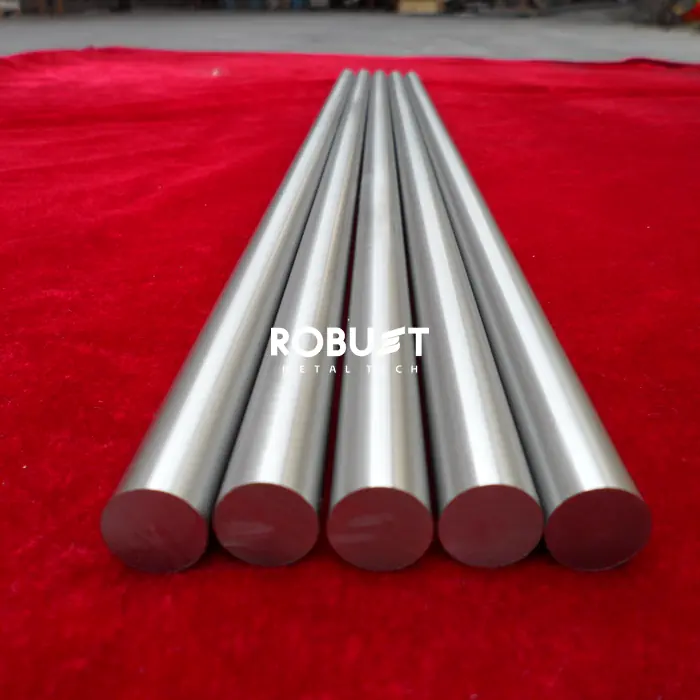
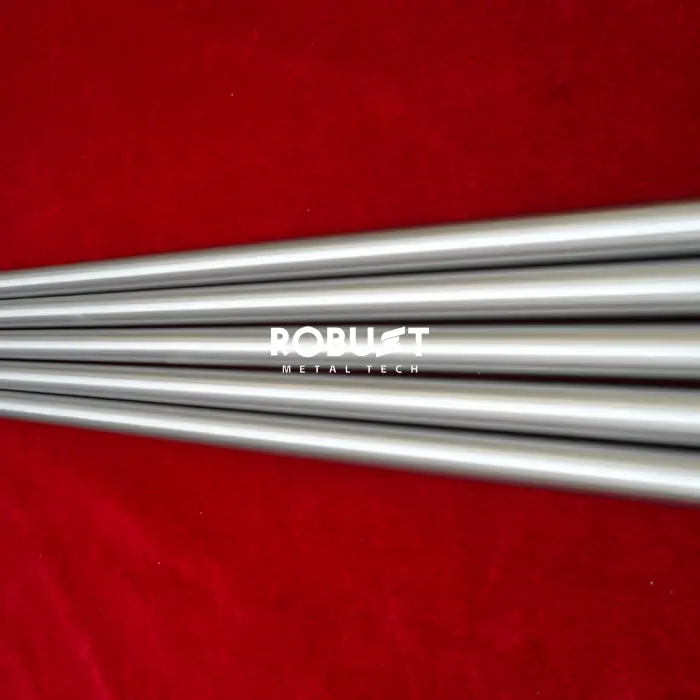
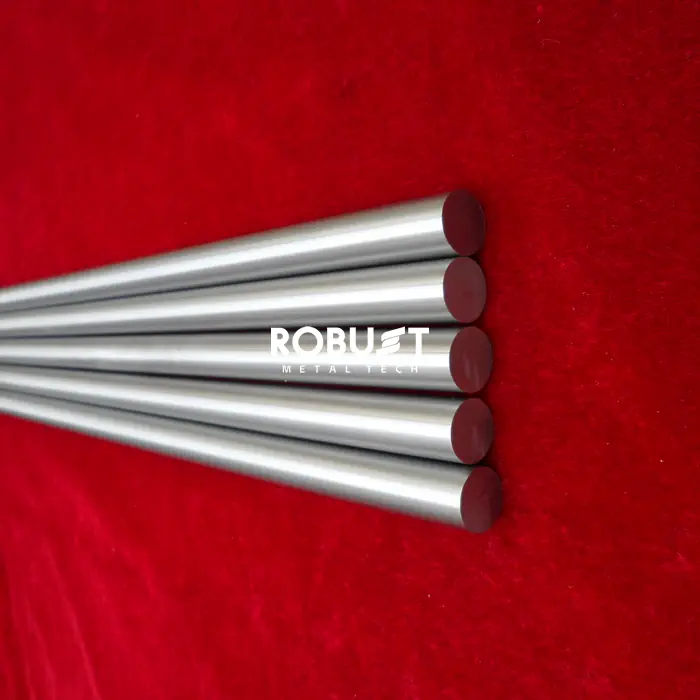
Molybdenum rods and bars are heavy-duty refractory metal components designed for high-temperature and high-stress industrial environments. They are widely used as structural supports, electrodes, and power transmission parts in glass melting, vacuum furnaces, semiconductor systems, and chemical processing. With excellent thermal conductivity, corrosion resistance, and mechanical stability, molybdenum rods perform reliably under extreme conditions. Available in sintered, forged/swaged, and precision ground finishes, they offer different strength levels and surface quality. These rods are essential for applications requiring durability, dimensional accuracy, and long service life in demanding thermal systems.
Description
Product Description
Molybdenum rods and bars are the "heavy lifting" components of the refractory metal world.
While plates are for shielding and hooks are for suspension, rods and bars are used for structural support, electrodes, and power leads in high-stress thermal environments.
1. Common Industrial Uses
Glass Melting Electrodes: This is one of the largest markets for molybdenum rods.
Because moly has excellent conductivity and resists corrosion from molten glass, large-diameter rods are used to pass electric current directly through the glass melt.
Vacuum Furnace Support Pillars: Used as the primary "legs" or structural skeleton to hold heavy internal assemblies.
Stirrers and Shafts: In chemical processing or metal casting where high-temperature agitation is required.
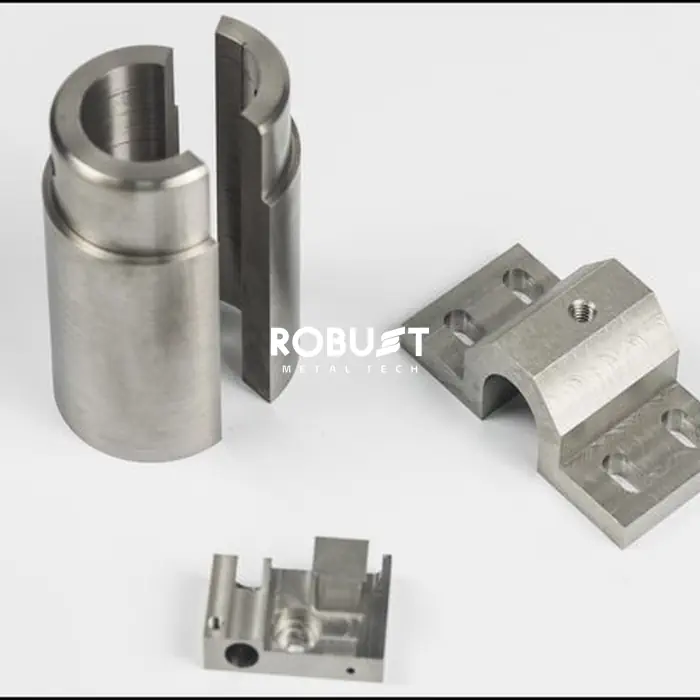
Ion Implantation: In the semiconductor industry, small-diameter rods are machined into precision components for ion source assemblies.
2. Manufacturing Methods
How the rod is made significantly affects its strength and price.
Buyers often ask for these specific types:
Sintered Rods: These are produced via powder metallurgy.
They are porous and less dense.
They are typically used as "raw material" to be further processed or as simple heating elements where mechanical strength isn't the primary concern.
Forged/Swaged Rods: These have been hammered or compressed.
This process increases the density and breaks down the grain structure, making the rod significantly stronger and more durable than a sintered one.
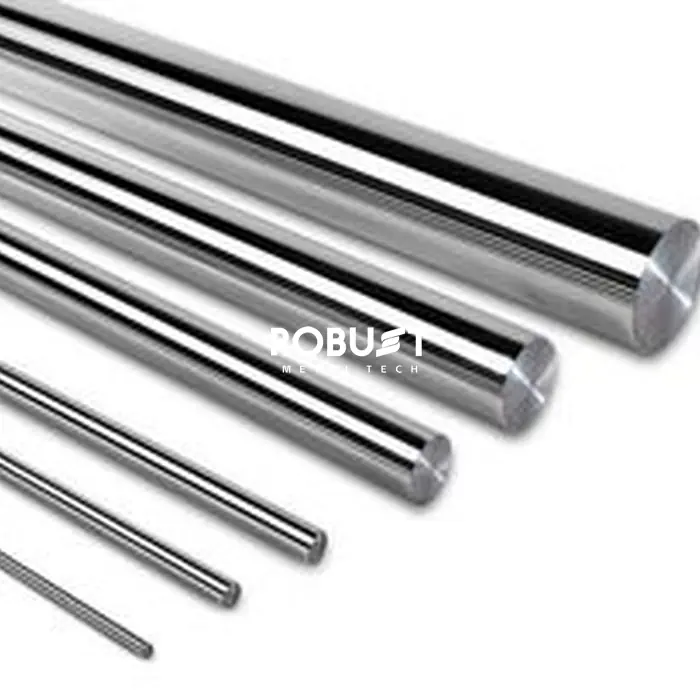
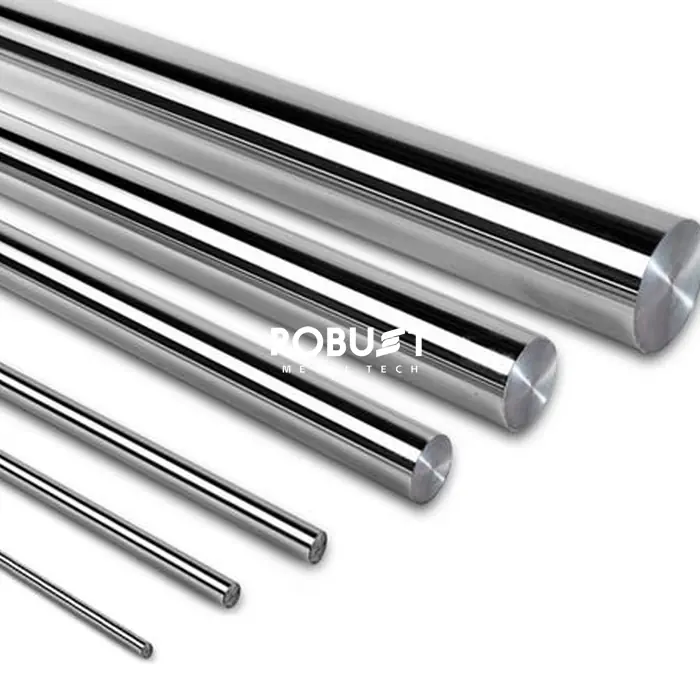
Machine-Finished (Ground): The surface is centerless-ground to achieve a shiny finish and extremely tight diameter tolerances (e.g., +/- 0.01 mm).
3. Critical Specifications
If you are sourcing or specifying moly rods, these three factors will dictate the success of the part:
A. Straightness
For glass melting or long furnace supports, "straightness" is vital.
Standard industry tolerance is usually 0.5 mm per 300 mm of length.
If the rod isn't straight, it can create "hot spots" or mechanical binding in vacuum feed-throughs.
B. Surface Defects
Buyers should check for "Centerline Cracking" or longitudinal seams.
Because of the way moly is drawn or swaged, internal stress can cause it to split down the middle.
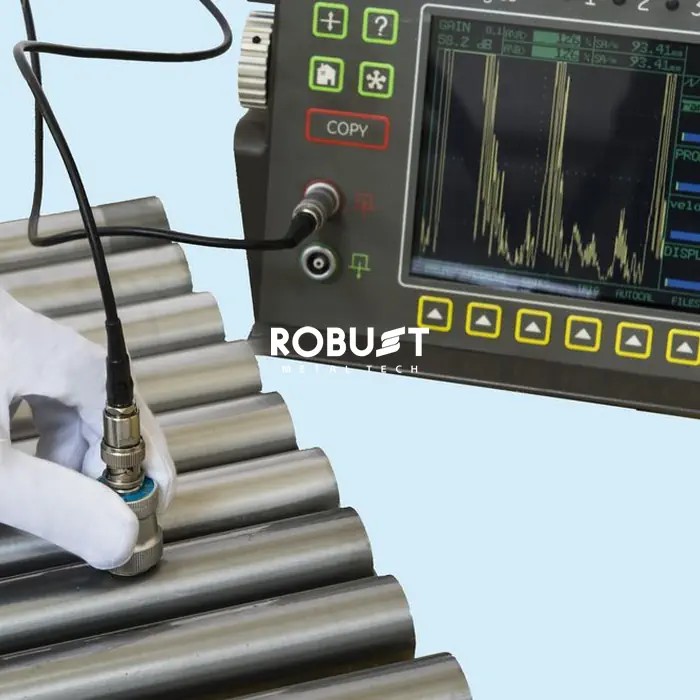
High-quality suppliers will offer Ultrasonic Testing (UT) or Eddy Current Testing to guarantee the rod is solid to the core.
C. Machinability
Molybdenum is "gummy" and abrasive, which makes it notoriously difficult to machine.
Pro Tip: If the rod needs to be threaded or turned on a lathe, buyers often request Mo-La (Lanthanated).
The lanthanum particles act as a "chip breaker," making it slightly easier to machine without the tool "tearing" the metal.
4. Technical Reference Table
Property | Value |
Standard Diameter Range | 0.8mm to 150mm |
Density | 10.22 g/cm3 |
Specific Heat | 0.25 J/g.K (Heats up and cools down quickly) |
Electrical Resistivity | ~ 5.2 uΩ.cm (Good conductor for high temps) |
Video
Image Gallery
FAQs
1. Can I weld these rods together?
It is very difficult.
Molybdenum welds are notoriously brittle.
Most engineers prefer mechanical joints (threading the rods) or using specialized vacuum brazing.
2. Why is my rod turning blue/purple?
This is a sign of light oxidation.
It means the vacuum level wasn't low enough or there was a small oxygen leak.
While a thin "rainbow" tint is often just cosmetic, a thick grey/white crust means the material is actively degrading.
Literature
Reliable Molybdenum Rods and Bars for High-Temperature Structural and Industrial Applications Manufacturer & Supplier in China
Robust provides high-quality Molybdenum Rods and Bars for High-Temperature Structural and Industrial Applications solutions for industrial, high-temperature, and precision engineering applications worldwide.
OEM & ODM Support | Fast Delivery | Factory Direct Price