

 View Product ↗
01
Product Description
Technical details, material information and manufacturing notes for this product.
ASTM B392 Niobium Rod & Bar | High-Purity Superconducting Industrial Metal
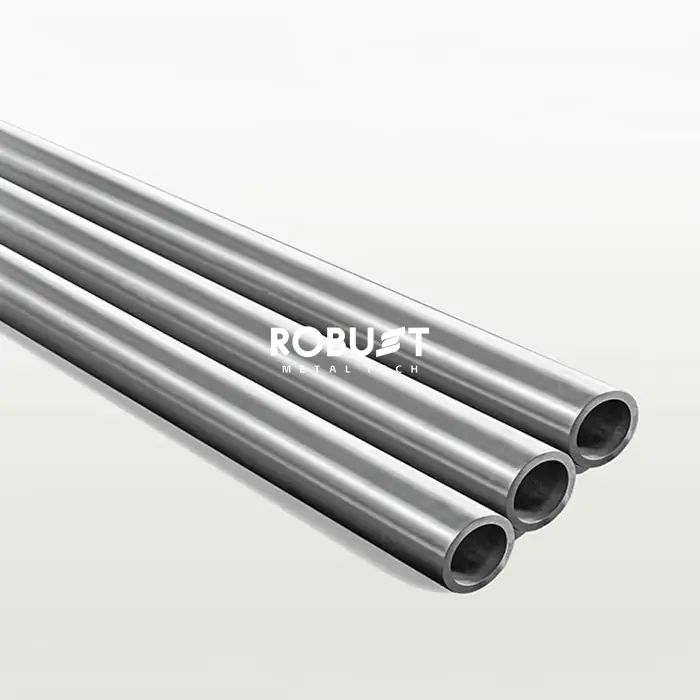
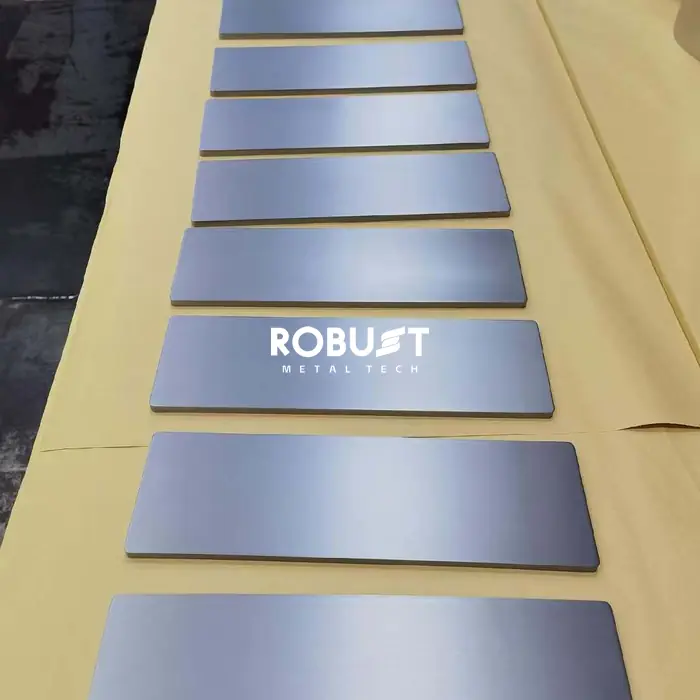
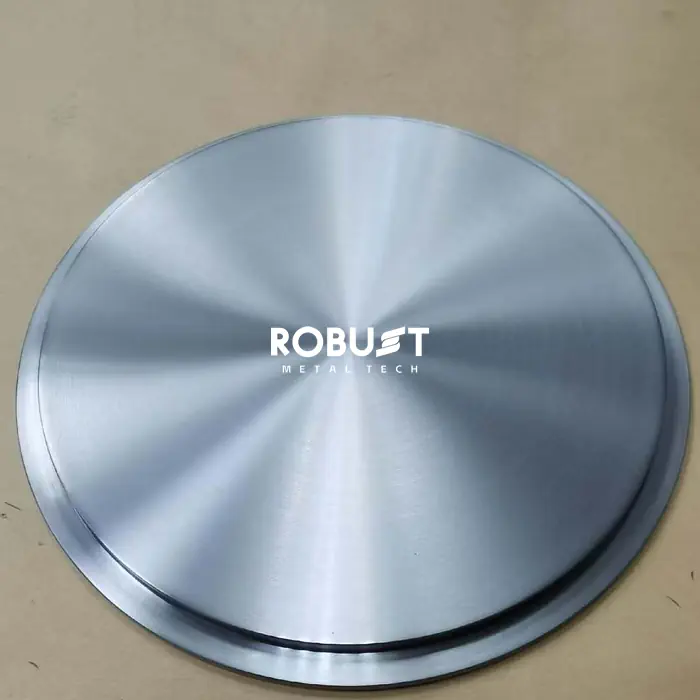
Niobium rods and bars are high-performance refractory metal materials manufactured under ASTM B392 standards.
They offer excellent corrosion resistance, high ductility, and stable performance in extreme environments.
With a melting point of 2,468°C, niobium maintains structural integrity even under high temperature and vacuum conditions.
Niobium round stock is widely used in superconducting systems, aerospace engineering, nuclear technology, and advanced electronics.
1. Size Classifications & Material Standards (ASTM B392)
Niobium Wire, rod, and bar are classified according to diameter and industrial application requirements.
Niobium Wire
Diameter range: 0.51 mm to 3.15 mm.
Used for superconducting filaments and precision electronic components.
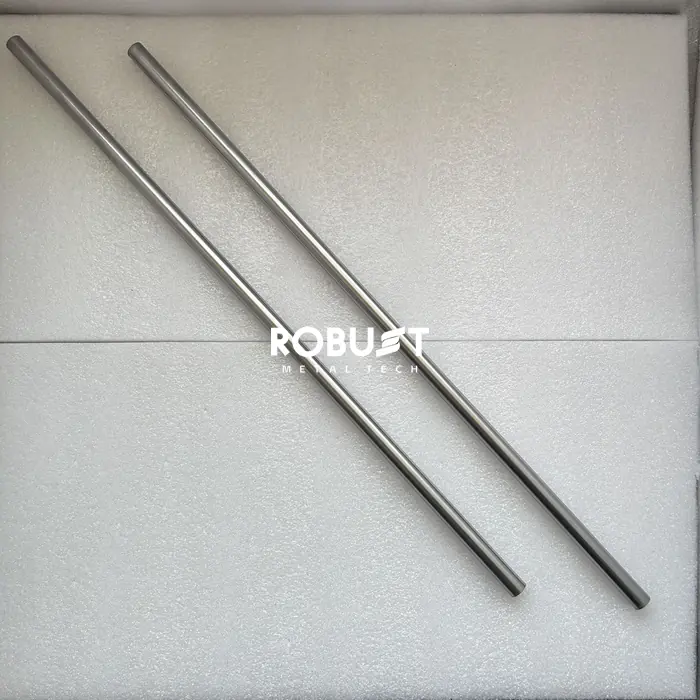
Niobium Rod
Diameter range: 3.18 mm to 63.50 mm.
Used for machining structural parts, aerospace fasteners, and vacuum components.
Niobium Bar
Diameter above 63.50 mm.
Used as forging stock for heavy industrial and nuclear applications.
2. Key Engineering Properties
Cryogenic Superconductivity
Niobium becomes superconducting below 9.2K, enabling zero electrical resistance.
High Ductility & Machinability
Niobium can be easily bent, drawn, and machined at room temperature without cracking.
Low Neutron Absorption
Ideal for nuclear applications due to its stable neutron transparency.
Biocompatibility
Niobium is non-toxic, non-magnetic, and suitable for medical implants.
3. Material Grades (ASTM B392)
| UNS Grade | Type | Application |
|---|---|---|
| R04200 | Pure Niobium | Chemical equipment, furnace parts, industrial components |
| R04210 | Commercial Niobium | General industrial and lighting applications |
| R04251 | Nb-1Zr Alloy | Nuclear reactors, high-temperature structural parts |
| R04220 | RRR High-Purity Niobium | Superconducting magnets, particle accelerators |
4. Industrial Applications
Superconducting Magnet Systems
Used in MRI machines, Maglev trains, and particle accelerators for high-field magnet generation.
Nuclear Engineering Components
Applied in reactor structures due to low neutron absorption and high radiation resistance.
High-Temperature Electronics
Used in lighting systems and vacuum electronics requiring stable thermal expansion behavior.
Aerospace Fasteners
Used in hypersonic and spacecraft structures where extreme heat resistance is required.
04
Related Technical Resources
Material guides, application notes and manufacturing knowledge from ROBUST.
05