 View Product ↗
01
Product Description
Technical details, material information and manufacturing notes for this product.
1. Product Overview and Material Characteristics
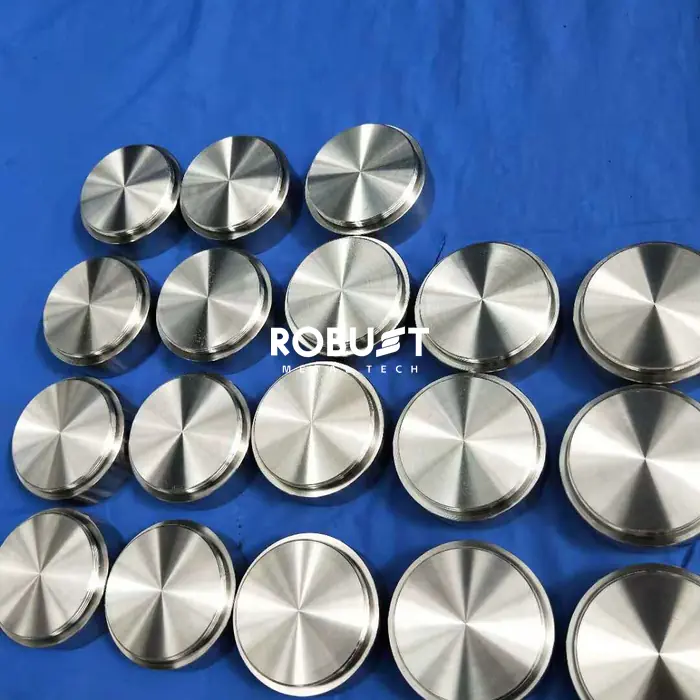
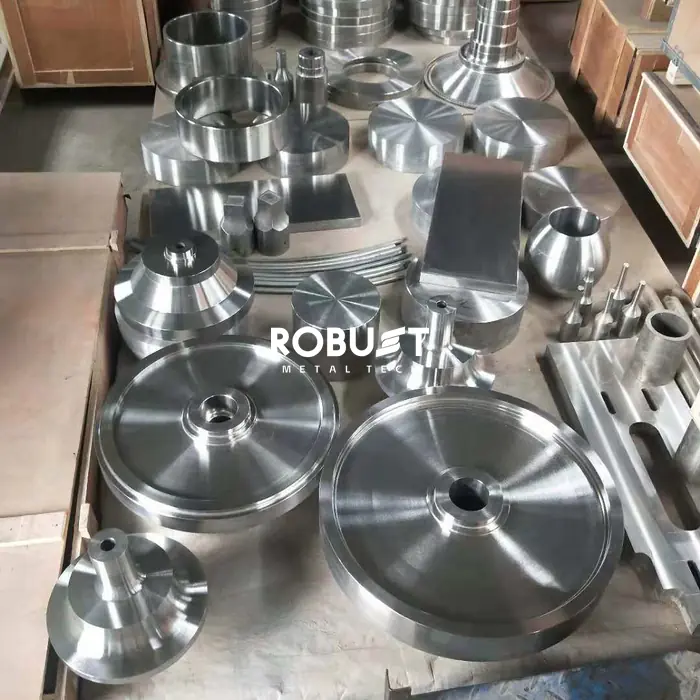
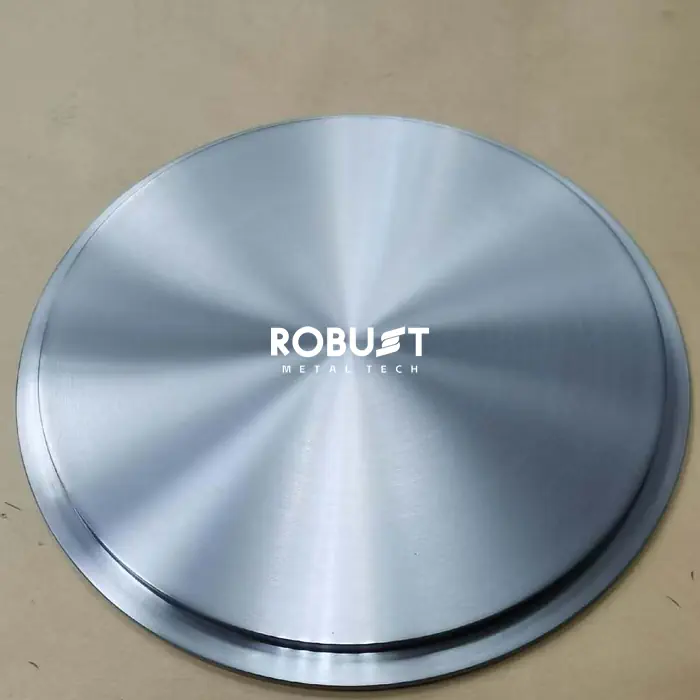
Niobium sputtering targets are manufactured from ultra-high-purity niobium metal.
They are used as source materials in vacuum deposition systems to generate thin, uniform coatings on different substrates.
During PVD processing, argon plasma ions bombard the target surface.
Niobium atoms are released and deposited onto the substrate, forming a controlled thin film layer.
Purity Levels
Commercial purity: 99.9%–99.95%, used for decorative and architectural coatings.
High purity: 99.99%, used in display panels, touchscreens, and optical coatings.
Ultra-high purity: 99.995%–99.999%, used in semiconductors and superconducting applications.
Microstructure Requirements
A uniform grain structure is essential for stable sputtering performance.
Fine and evenly distributed grains help ensure consistent erosion and uniform film thickness.
2. Target Types and Configurations
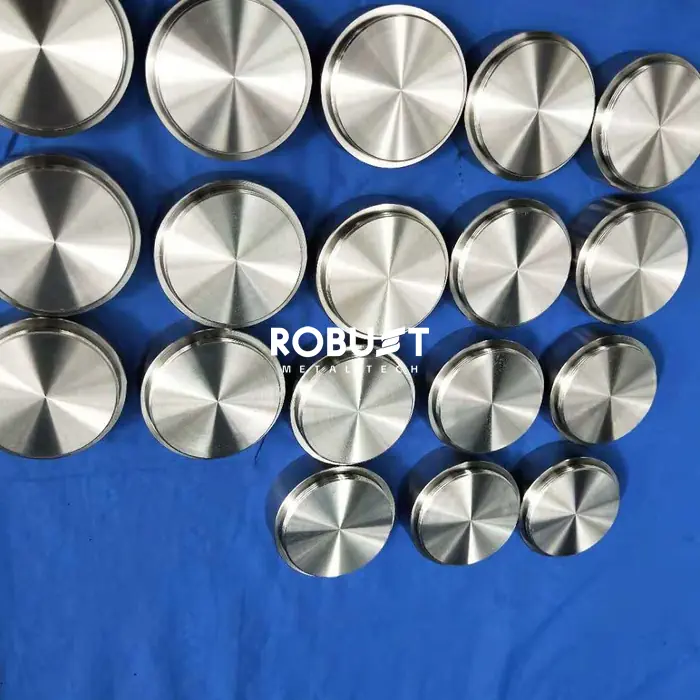
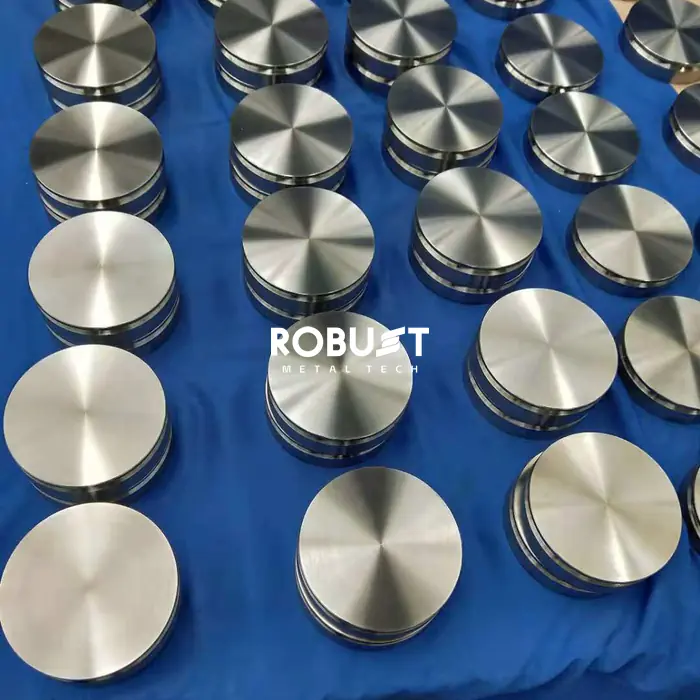
Planar Disk Targets
Available in standard circular sizes from small R&D systems to large industrial tools.
Commonly used in semiconductor research and batch coating systems.
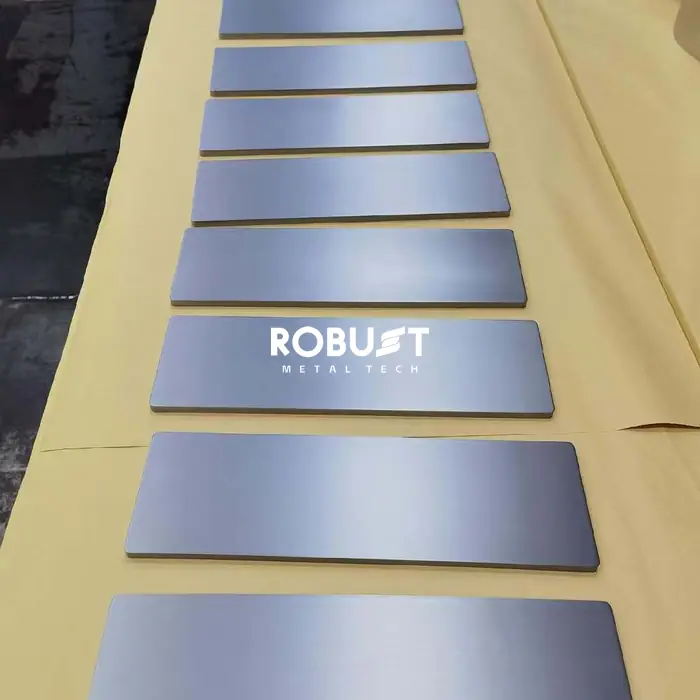
Rectangular Plate Targets
Designed for large-area coating systems such as architectural glass production.
Suitable for continuous inline PVD processes.
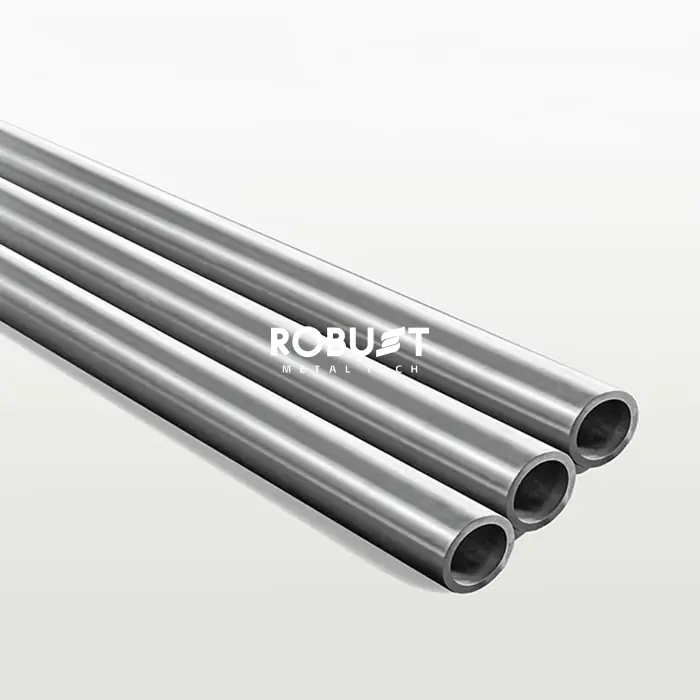
Rotary Cylindrical Targets
Rotating tube design improves material utilization during sputtering.
Provides more uniform erosion compared to planar targets.
3. Thin Film Application Fields
| Application | Function of Niobium Film |
| Architectural Glass | Forms Nb2O5 coatings for low-emissivity, anti-reflective, and protective layers. |
| Display Technology | Improves optical performance, brightness, and color contrast in screens. |
| Semiconductors & Quantum Devices | Used in superconducting circuits and cryogenic electronic components. |
| Solar Cells | Acts as protective or conductive thin film layer to improve efficiency. |
4. Bonding and Backing Plate Structure
Why Backing Plates Are Used
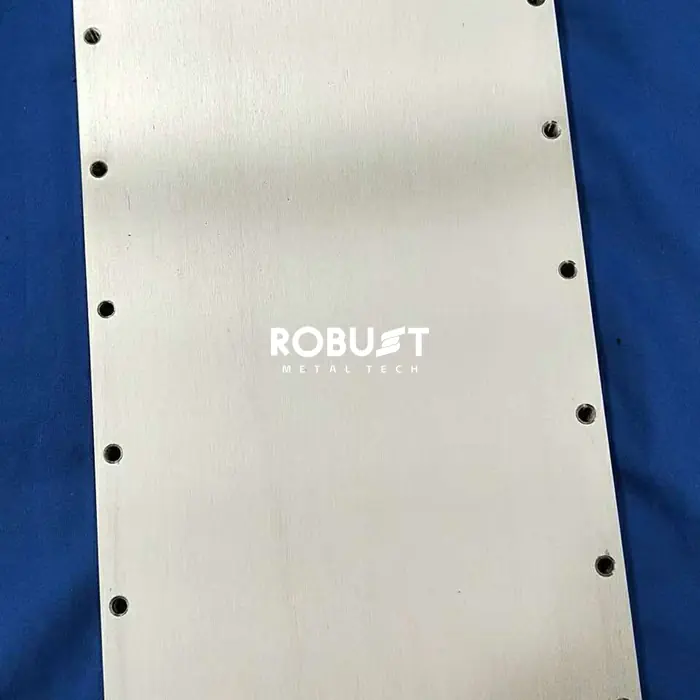
Niobium is a ductile metal and requires mechanical support during high-power sputtering.
Copper or aluminum backing plates provide structural stability and efficient heat dissipation.
Indium Bonding Layer
Indium is commonly used to bond Niobium Targets to backing plates.
Proper cooling is required to prevent thermal failure of the bonding layer.
5. Quality Control and Inspection
Chemical Purity Analysis
GDMS testing is used to verify trace element levels and ensure material purity.
Bond Integrity Testing
Ultrasonic scanning checks for voids between target and backing plate.
Microstructure Inspection
EBSD analysis confirms grain uniformity and structural consistency.
02
Image Gallery
Additional product views, manufacturing details and application references.
04
Related Technical Resources
Material guides, application notes and manufacturing knowledge from ROBUST.
05