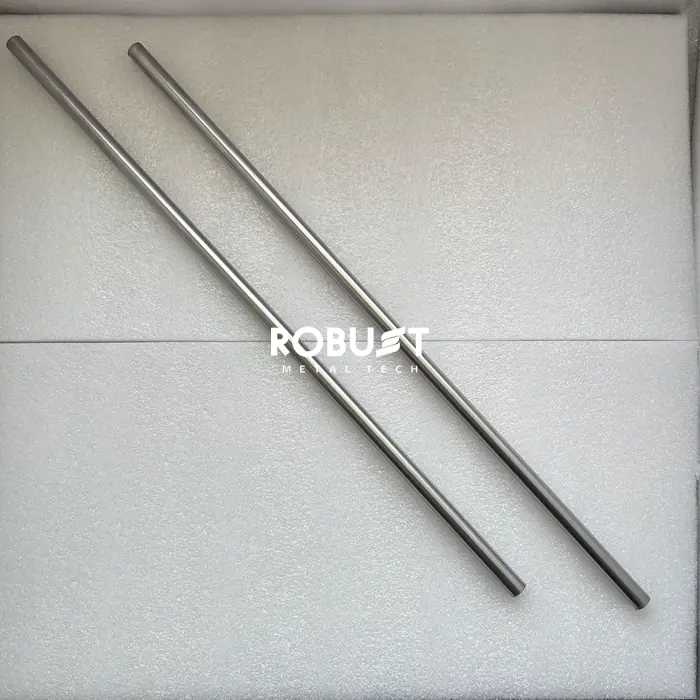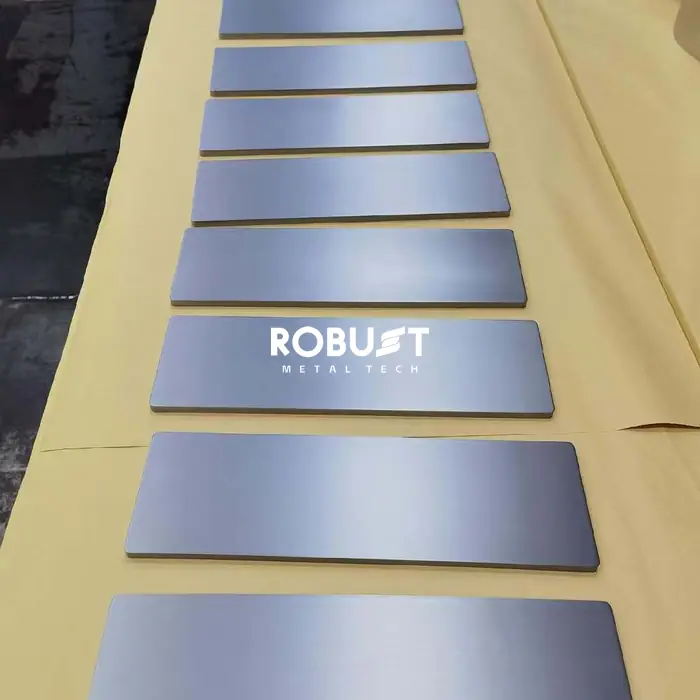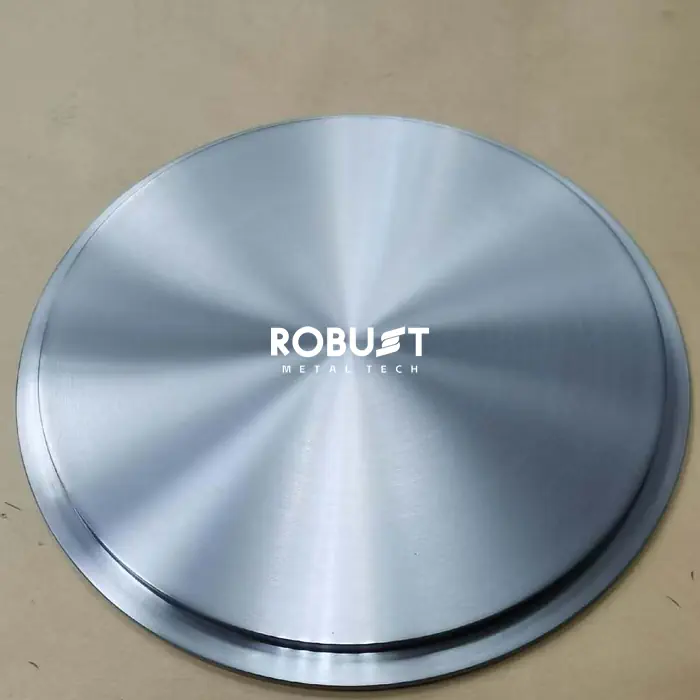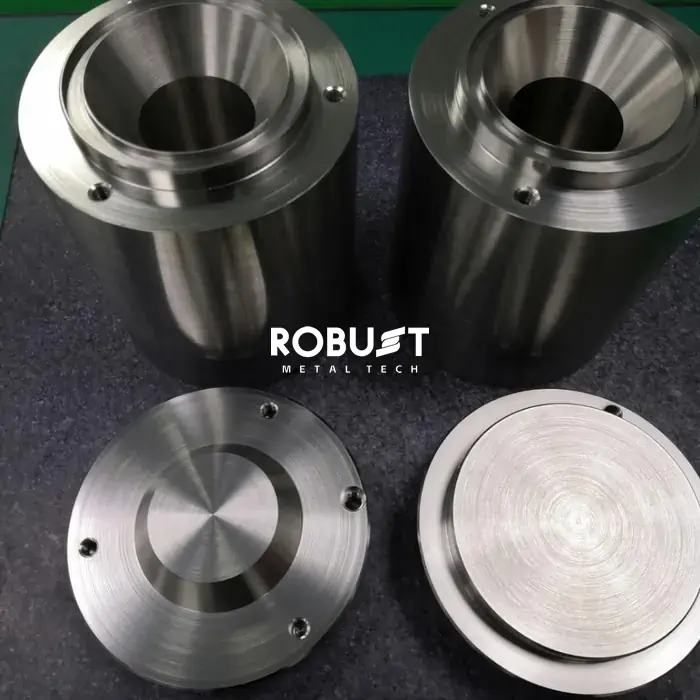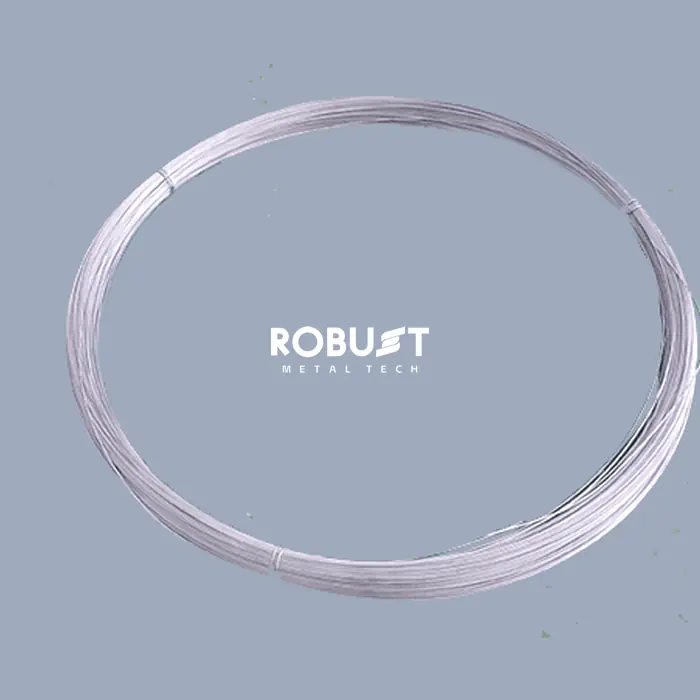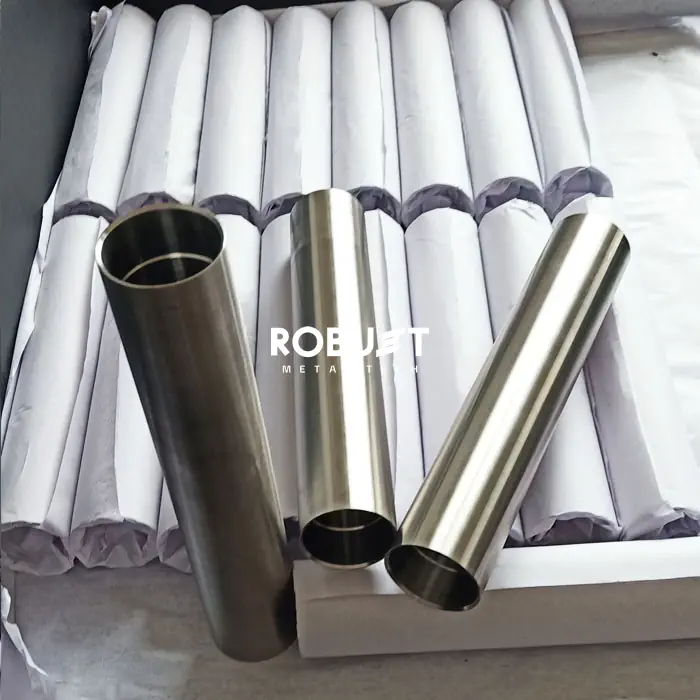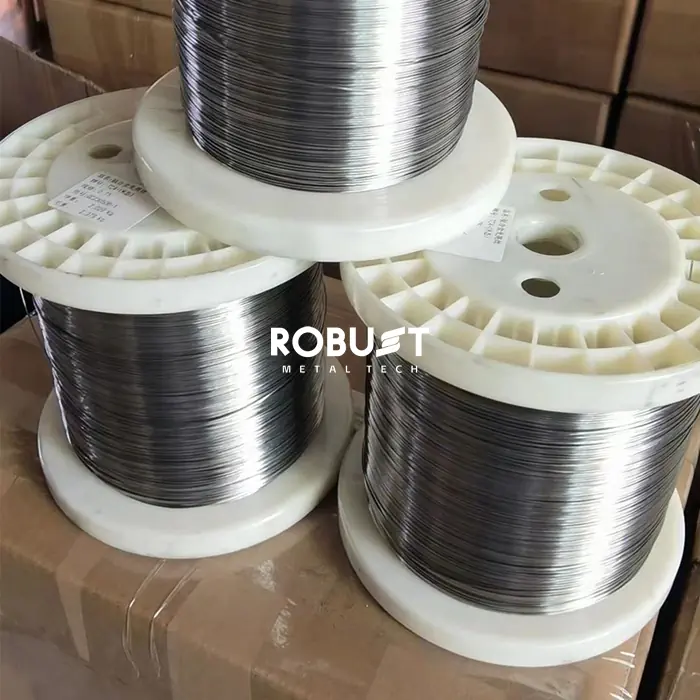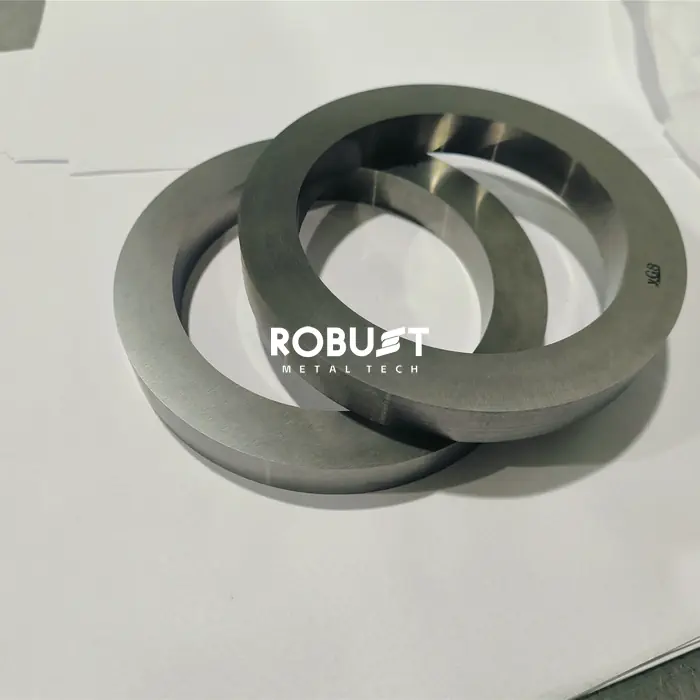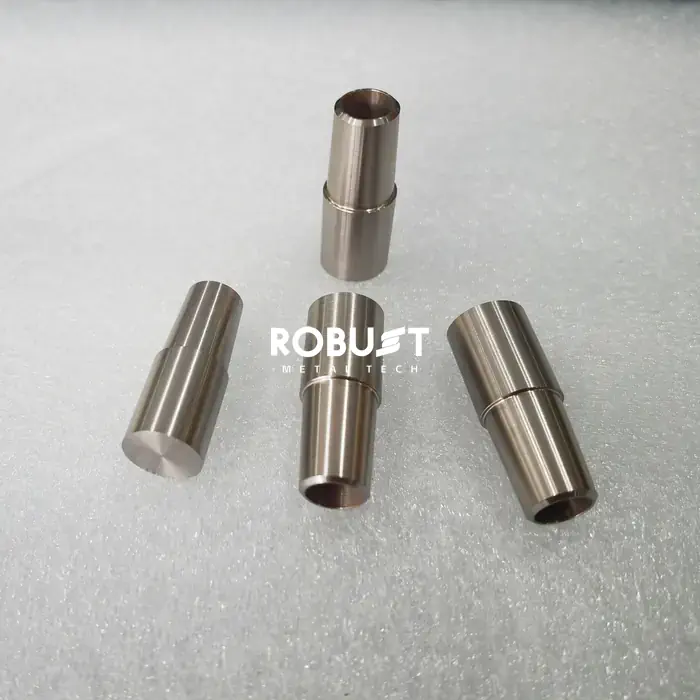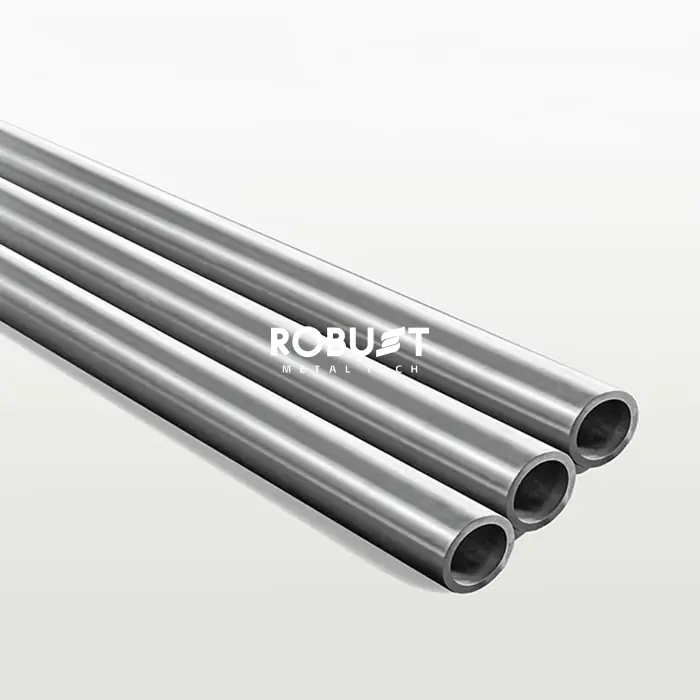
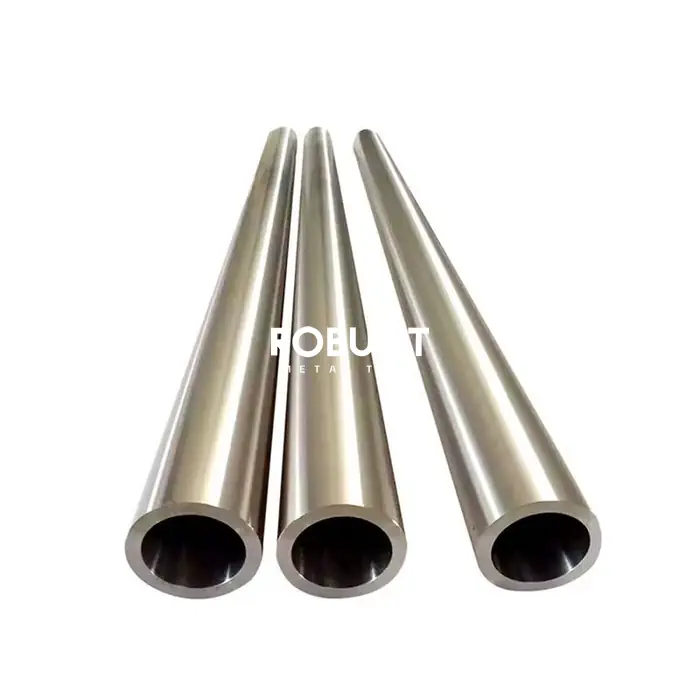
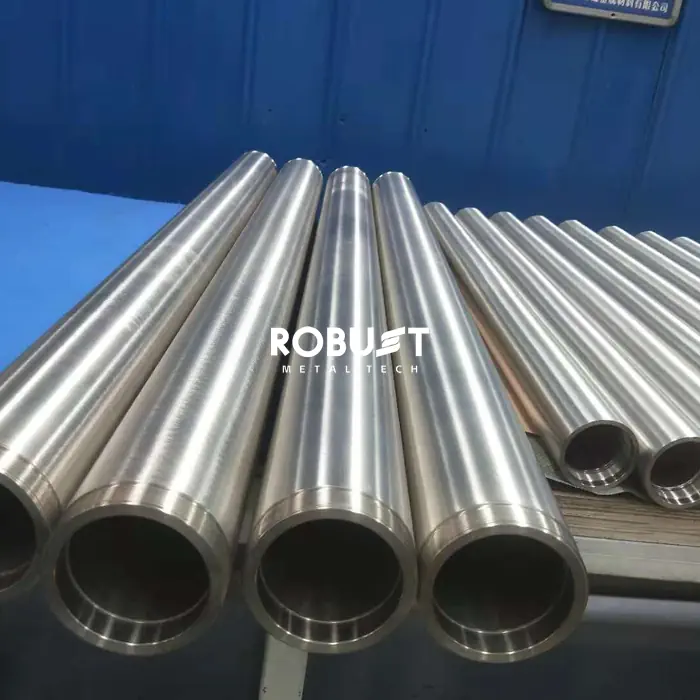
Niobium Tube and Pipe (ASTM B394) for Industrial and Engineering Use
-
Niobium tube and pipe are high-performance refractory metal products designed for extreme temperature and corrosive environments.
With a melting point of 2,468°C and low density, niobium offers excellent formability, stability, and reliable mechanical performance.
It is widely used in aerospace systems, nuclear engineering, particle accelerators, vacuum equipment, and chemical processing industries.
Description
1. Manufacturing Types and Standards (ASTM B394)
Seamless Niobium Tube
Seamless niobium tubes are produced from solid billets through gun-drilling or multi-stage cold drawing.
They contain no weld seams, which ensures high structural integrity and excellent pressure resistance.
These tubes are widely used in high-pressure systems, vacuum environments, and nuclear applications.
Welded Niobium Tube
Welded tubes are formed by rolling niobium sheet into a cylindrical shape and welding the seam using TIG or electron beam welding.
This method is cost-effective and suitable for large diameters and thin-wall structures.
They are commonly used in low to medium pressure systems and thermal protection applications.
2. Key Material Properties
High Temperature Performance
Niobium maintains stability at temperatures up to 2,468°C.
It is suitable for aerospace and high-heat engineering environments.
Excellent Formability
Niobium has strong cold working ability compared to other refractory metals.
It can be bent, flared, and formed without cracking under proper processing conditions.
Corrosion and Nuclear Resistance
Niobium shows strong resistance to liquid metals and aggressive chemical environments.
It also has a low neutron absorption cross-section, making it suitable for nuclear systems.
3. Material Grades (UNS Classification)
| UNS Grade | Material | Application |
| R04200 | Reactor Grade Niobium | Used in nuclear reactor structures and high-purity environments |
| R04210 | Commercial Pure Niobium | Used in industrial furnaces, chemical systems, and lighting |
| R04251 | Niobium-1% Zirconium | High strength alloy for aerospace and liquid metal cooling systems |
| R04261 | Commercial Nb-1Zr | Used in thermal shielding and advanced industrial systems |
4. Industrial Applications
High Temperature Lighting Systems
Niobium tubes are used in high-pressure sodium lamp sealing structures.
They ensure stable thermal expansion compatibility and long service life.
Aerospace Thermal Management
Nb-1Zr tubes are applied in liquid metal cooling loops for spacecraft systems.
They provide efficient heat transfer under extreme operating temperatures.
Vacuum and Accelerator Systems
Niobium is used in superconducting radio-frequency cavity structures.
It performs reliably in ultra-low temperature and high vacuum conditions.
Chemical Processing Protection
Niobium thermowells protect sensors in corrosive chemical environments.
They maintain stability in aggressive industrial media.
5. Processing and Welding Requirements
Forming and Bending
Niobium is highly ductile but sensitive to surface galling during forming.
Proper lubrication and polished tooling are required for defect-free processing.
Welding Conditions
Niobium must be welded in a fully inert or vacuum environment.
Exposure to oxygen or nitrogen at high temperature can cause embrittlement.
6. Quality Testing Requirements
Non-Destructive Testing
Ultrasonic or eddy current testing is used to detect internal defects.
Leak and Pressure Testing
Hydrostatic or pneumatic testing ensures sealing integrity under pressure.
Mechanical Performance Testing
Flattening and flaring tests confirm ductility and forming capability.
Video
FAQs
Why is niobium difficult to process?
Niobium tends to gall during forming if lubrication and tooling are not properly controlled.
Can niobium tubes be welded?
Yes, but welding must be performed in vacuum or inert gas conditions to prevent contamination and brittleness.
What industries use niobium tubing?
Aerospace, nuclear energy, vacuum systems, chemical processing, and advanced lighting industries.
Literature
Reliable Niobium Tube and Pipe (ASTM B394) for Industrial and Engineering Use Manufacturer & Supplier in China
Robust provides high-quality Niobium Tube and Pipe (ASTM B394) for Industrial and Engineering Use solutions for industrial, high-temperature, and precision engineering applications worldwide.
OEM & ODM Support | Fast Delivery | Factory Direct Price