 View Product ↗
01
Product Description
Technical details, material information and manufacturing notes for this product.
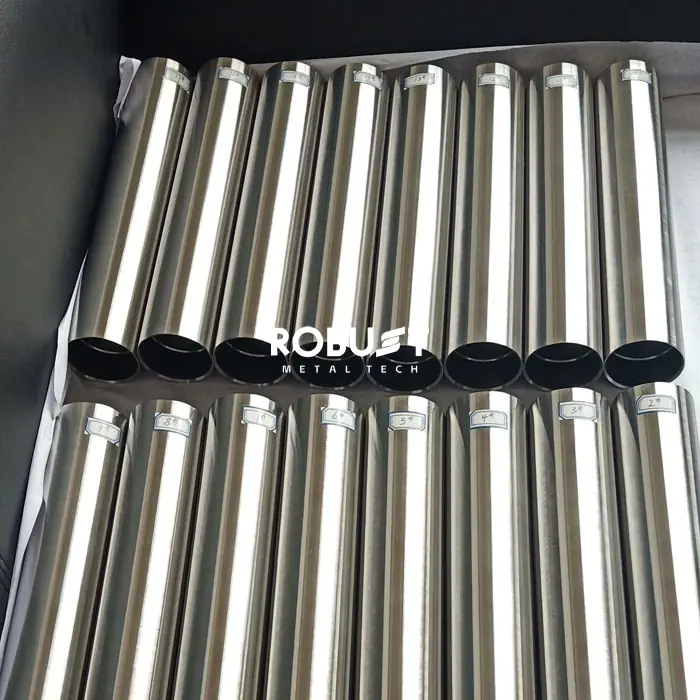
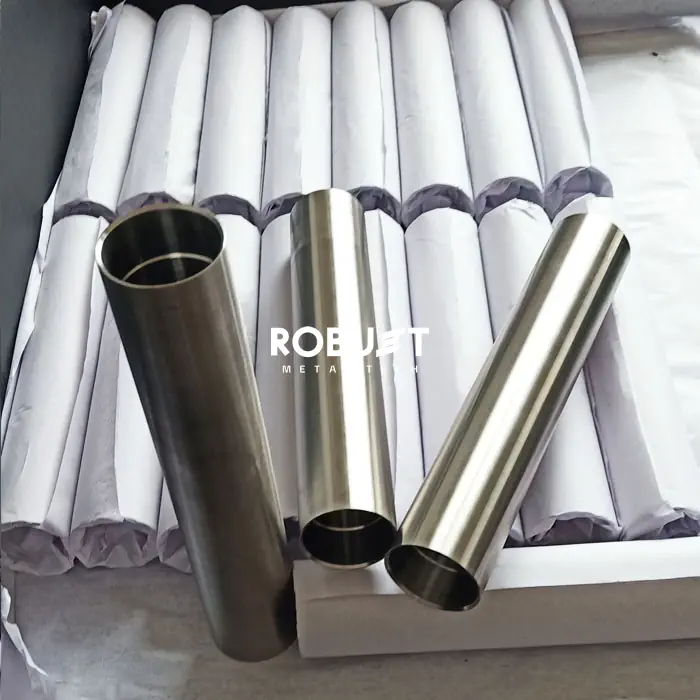
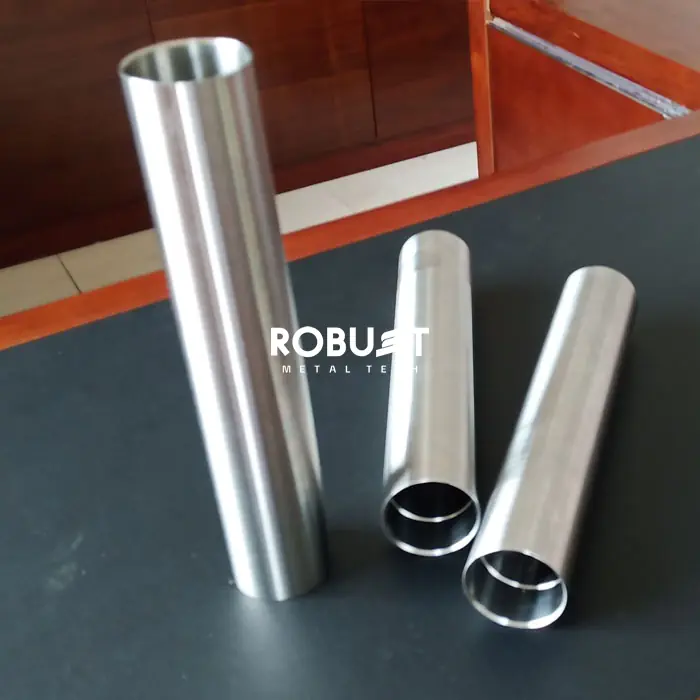
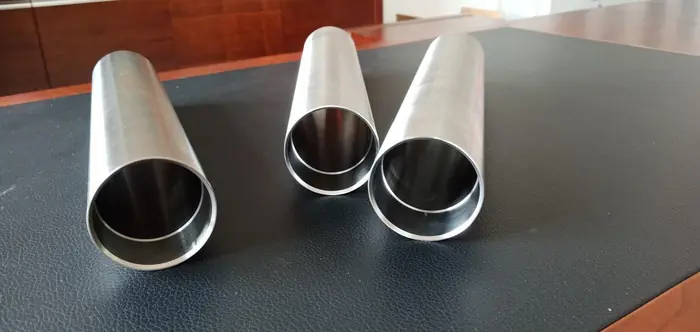
Titanium Tube/Pipe – High Performance Corrosion Resistant Tubing
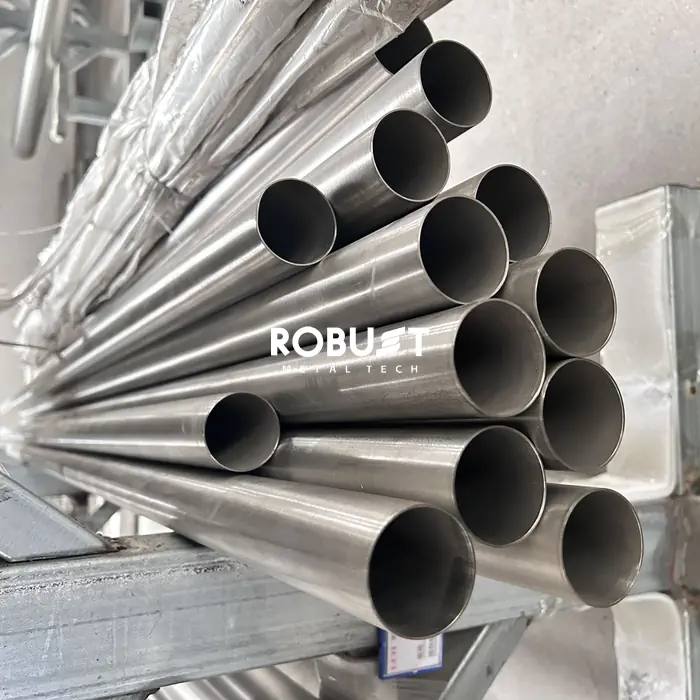
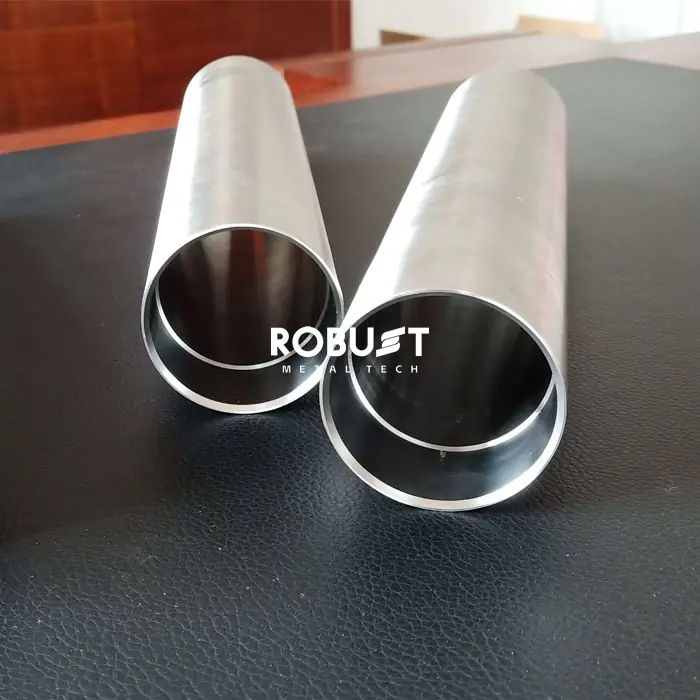
Titanium tubes are high-performance tubular products.
They are widely used for their high strength-to-weight ratio and excellent corrosion resistance.
These properties make them ideal for extreme industrial environments.
Titanium tubing is commonly used in heat exchangers, hydraulic systems, and exhaust assemblies.
Compared with steel pipes, titanium tubes provide longer service life and lower maintenance cost.
Types of Titanium Tubing
Titanium tubes are mainly divided into two manufacturing types based on production method and application requirements.
Seamless Titanium Tubing
Seamless tubes are produced through extrusion or rotary piercing.
There is no weld seam, which makes them stronger under high internal pressure.
They are widely used in aerospace, hydraulic systems, and high-pressure environments.
Welded Titanium Tubing
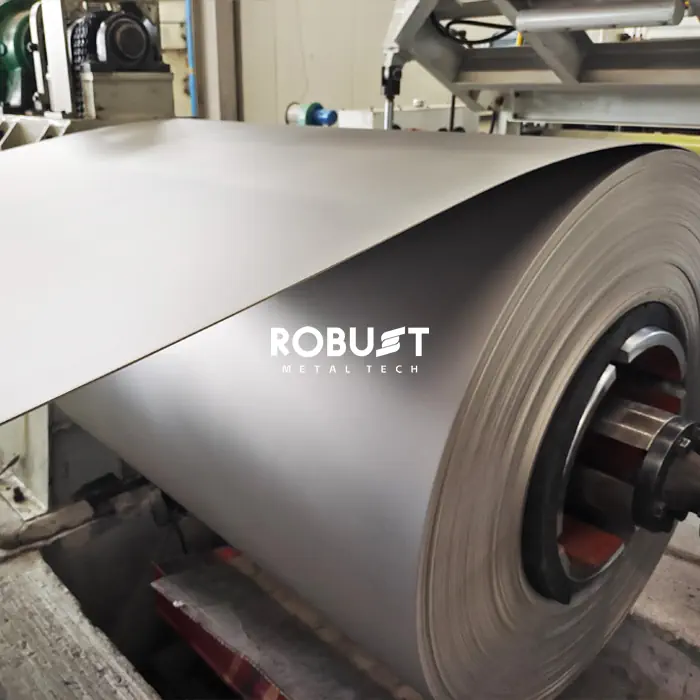
Welded tubes are made from flat-rolled titanium sheets.
The material is formed into a tube and welded using TIG welding.
They are more cost-effective and suitable for heat exchangers and exhaust systems.
Features of Titanium Tubes
Corrosion & Erosion Resistance: Titanium resists seawater, chemicals, and cavitation damage effectively.
Lightweight Strength: It replaces heavier steel while maintaining or improving strength performance.
Low Thermal Expansion: It maintains dimensional stability under temperature changes.
Heat Transfer Efficiency: Thin-wall design improves heat exchange performance despite lower conductivity.
Clean Surface: Smooth inner walls reduce bio-fouling and scaling.
1. Common Grades & Specifications
Titanium tube selection depends on pressure requirements and working media.
| Grade | Specification | Characteristics | Primary Use Case |
| Grade 1 | ASTM B338 | Highest ductility, easy to form and bend | Low-pressure condensers |
| Grade 2 | ASTM B338 / B337 | Balanced strength and weldability | Power plants and desalination systems |
| Grade 7 | ASTM B338 | Excellent resistance to extreme pH conditions | Chemical reactors and acid environments |
| Grade 9 | ASTM B338 | High strength Ti-3Al-2.5V alloy | Aircraft hydraulics and lightweight structures |
| Grade 12 | ASTM B338 | Mo/Ni alloy improves high-temperature resistance | Steam and high-temperature systems |
2. Available Product Forms & Dimensions
Titanium tubing is defined by outer diameter (OD) and wall thickness (WT).
| Tube Type | Outside Diameter (OD) | Wall Thickness (WT) | Manufacturing Method |
| Capillary Tube | 0.5 mm to 3 mm | 0.1 mm to 0.5 mm | Cold Drawn / Seamless |
| Standard Tube | 6 mm to 114 mm | 0.5 mm to 10 mm | Seamless or Welded & Drawn |
| Large Pipe | 114 mm to 600+ mm | 2 mm to 20 mm | Rolled & Longitudinal Welded |
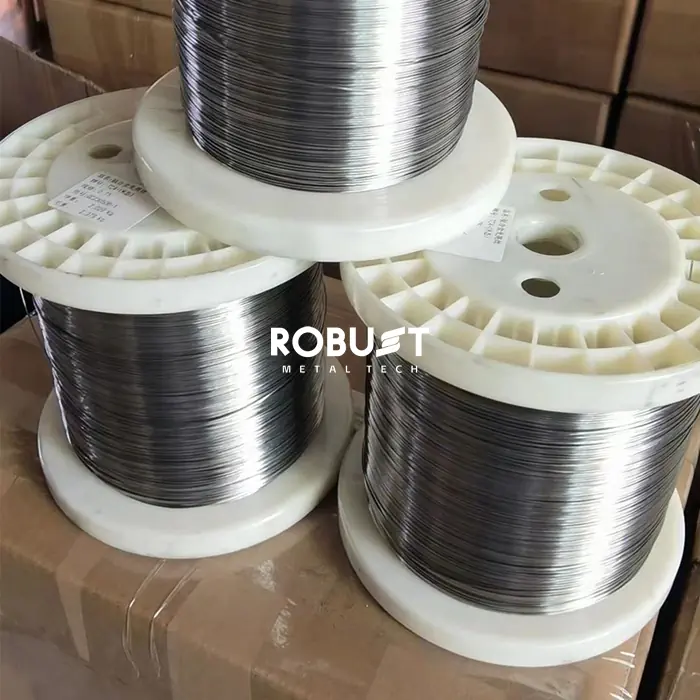
| Coiled Tube | 6 mm to 25 mm | Up to 1000m length | Continuous Weld / Seamless |
3. Pressure Rating vs Material Grade
These values are typical for seamless titanium tubes at room temperature.
They show how strength varies across different titanium grades.
| Grade | Density (g/cm³) | Tensile Strength (min) | Typical Working Pressure |
| Grade 2 | 4.51 | 345 MPa | ~2,500 PSI |
| Grade 9 | 4.48 | 620 MPa | ~4,800 PSI |
| Grade 5 | 4.43 | 895 MPa | ~7,000+ PSI (Specialty) |
04
Related Technical Resources
Material guides, application notes and manufacturing knowledge from ROBUST.
05