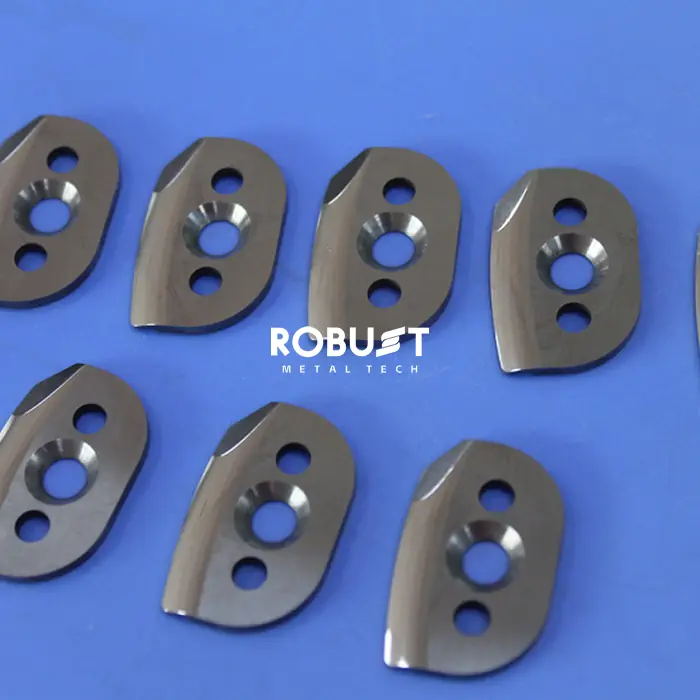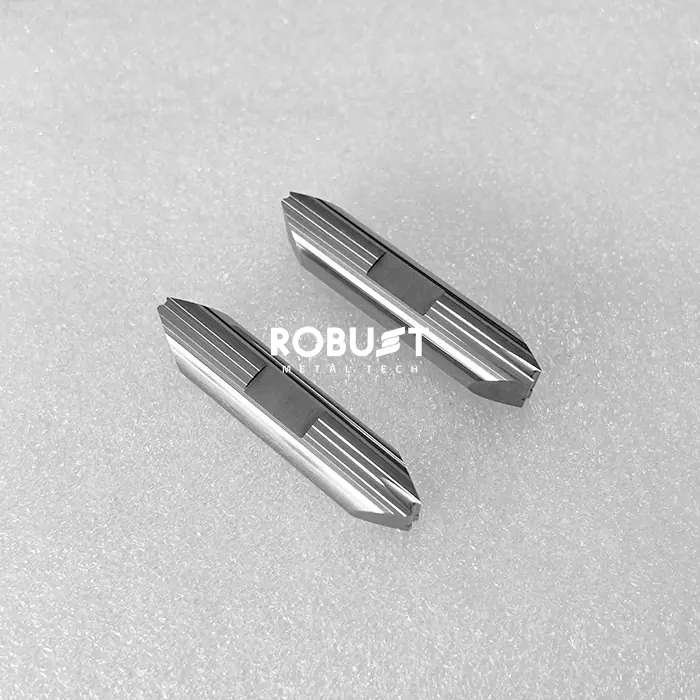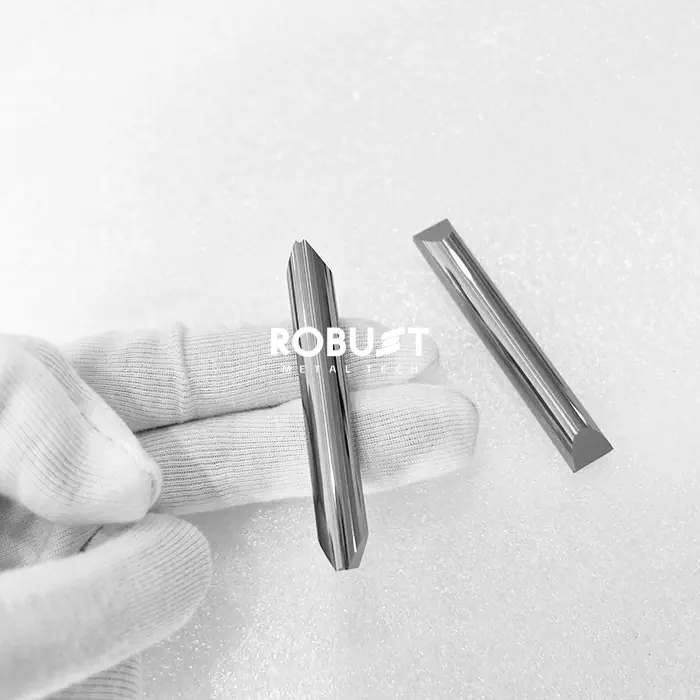
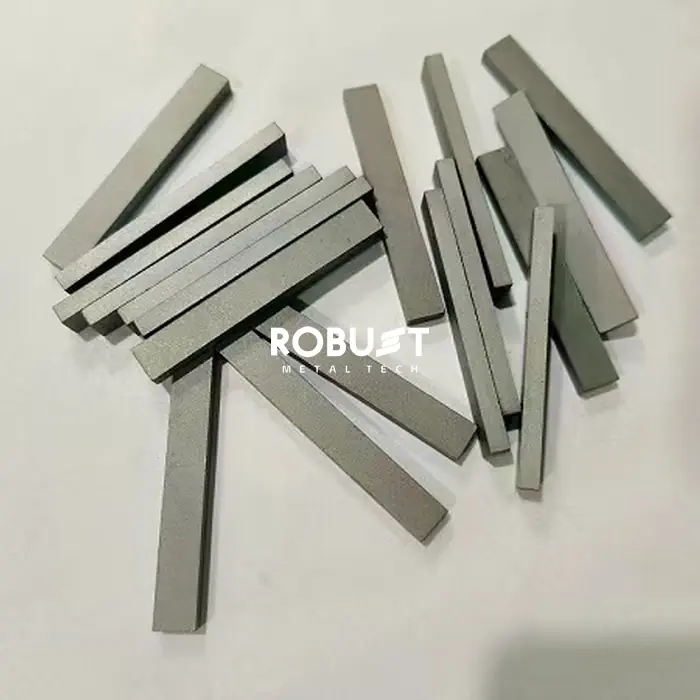
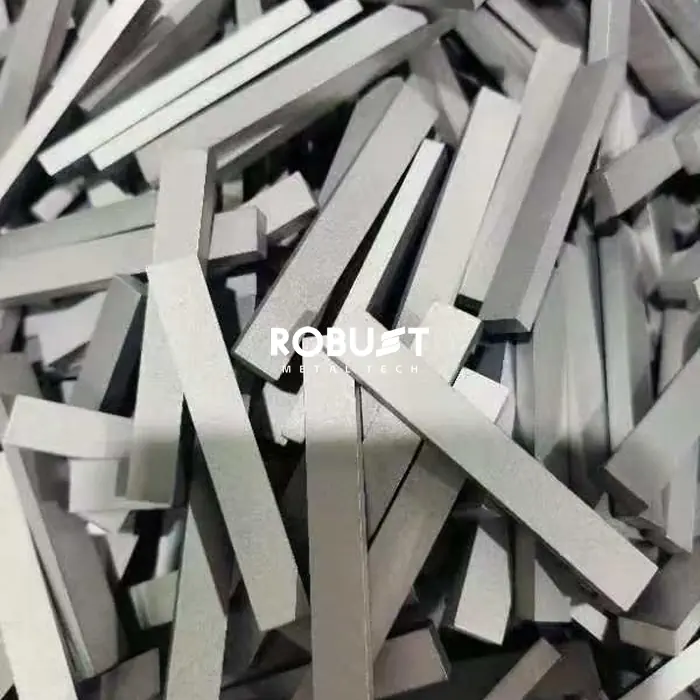
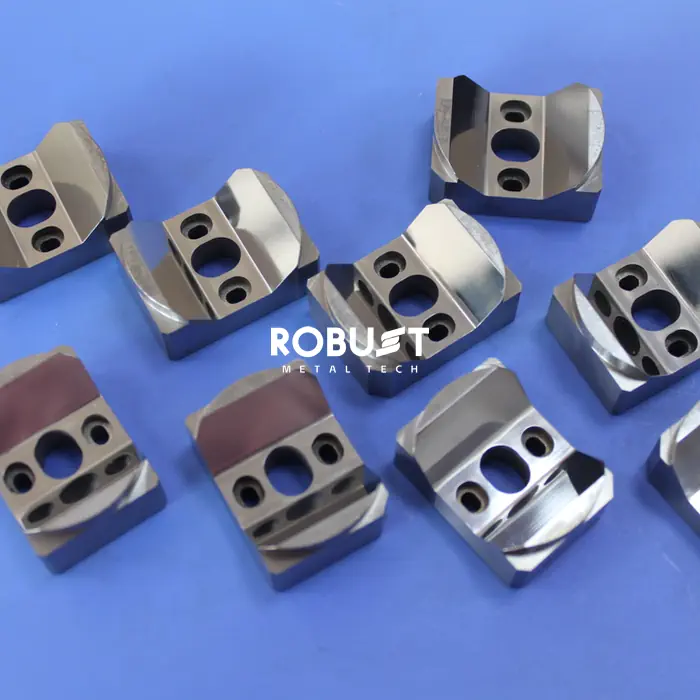
 View Product ↗
01
Product Description
Technical details, material information and manufacturing notes for this product.
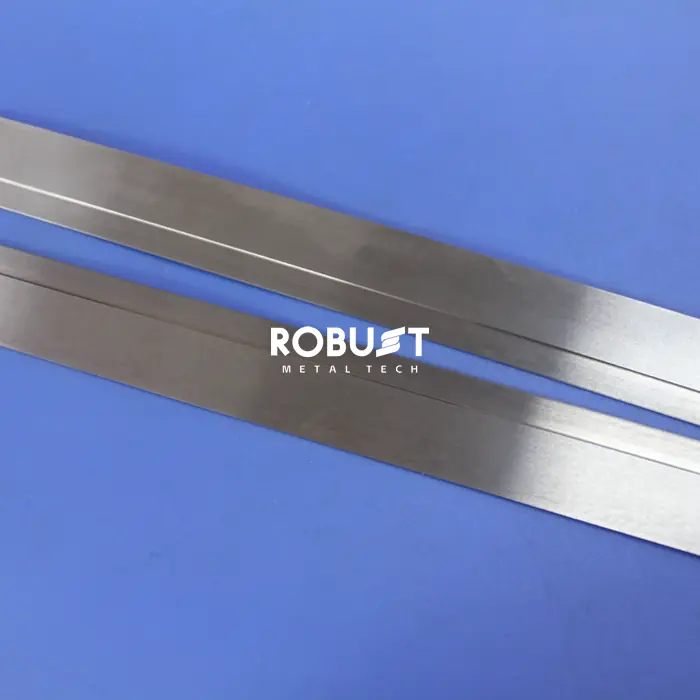
1. Product Overview of Cemented Carbide Plate
Cemented carbide plate is produced by powder metallurgy using tungsten carbide powder and metallic binders.
The material provides high hardness, high compressive strength, and strong resistance to abrasion and impact.
It is suitable for demanding industrial environments where steel materials cannot achieve long service life.
Main Material Properties
High hardness ensures strong wear resistance in cutting and forming operations.
Excellent compressive strength supports heavy-load industrial applications.
Good corrosion and heat resistance maintain stable performance under harsh conditions.
2. Applications of Carbide Plate
Industrial Wear Parts
Used as wear-resistant liners and protective base plates in mining and metallurgy equipment.
Provides long service life in abrasive working conditions.
Cutting and Forming Tools
Used for manufacturing cutting tools, stamping dies, and drawing dies.
Ensures stable cutting performance and high precision in machining processes.
Heavy Industry Applications
Applied in oil and gas, construction machinery, and mechanical engineering systems.
Suitable for high-wear and high-impact working environments.
3. Carbide Plate vs Hardened Steel
| Feature | Cemented Carbide Plate | Hardened Steel Plate |
| Hardness | 89–93 HRA | ~50 HRC |
| Wear Resistance | Very high | Medium |
| Service Life | 10–50 times longer | Standard |
| Impact Resistance | Moderate | High |
| Cost | Higher initial cost | Lower initial cost |
4. Processing and Manufacturing Notes
Cutting Methods
Carbide plate cannot be processed with standard saw tools.
Waterjet cutting and wire EDM are commonly used for shaping.
These methods ensure precision without damaging the material structure.
Thermal Crack Control
Uneven heating can cause internal stress and cracking.
Stable cooling and proper grade selection help improve durability.
5. Quality and Material Selection
Binder Types
Cobalt binder provides high strength and wear resistance.
Nickel binder offers improved corrosion resistance for chemical environments.
Grade Selection
Fine grain grades are suitable for abrasion resistance applications.
Coarser grain grades are better for impact-heavy working conditions.
04
Related Technical Resources
Material guides, application notes and manufacturing knowledge from ROBUST.
05