Practical Uses of Tungsten Copper Alloy
High-stress industrial systems require materials that combine strong thermal resistance with fast electrical conduction.
Standard metals often fall short when subjected to rapid temperature changes or intense electric arcs.
Tungsten copper alloy bridges this gap by blending two highly efficient elements into one reliable material.
Tungsten provides a high melting point and dense hardness, while copper delivers quick electrical and thermal speed.
Understanding where and how to use this combined material helps engineers choose the right components for demanding projects.

Electrical Contacts and High-Voltage Switching
Electrical distribution systems manage heavy voltage currents every single day.
When high-voltage breakers switch on or off, severe electric arcs form across contact surfaces.
Pure copper would melt or wear down quickly under such intense heat.
Adding tungsten creates an arc-resistant material that keeps its shape even during heavy electrical discharge.
Key applications in power management include:
1. High-voltage electrical switch contacts and circuit breakers
2. Arcing tips and arc runners in heavy power plants
3. Vacuum contacts used in sub-station gear
Components made with tungsten copper last significantly longer, reducing unexpected downtime and saving maintenance costs over time.
Electrodes for Electrical Discharge Machining (EDM)
Modern mold making and tool production depend on Electrical Discharge Machining to form extremely hard steel parts.
Selecting the right electrode material directly impacts machining speed and final shape accuracy.
Tungsten copper electrodes burn evenly and wear down slowly, making them an effective choice for deep-hole drilling and tight-tolerance mold shaping.
Unlike pure copper electrodes, they resist bending and corner wear during aggressive machining routines.
This leads to cleaner surface finishes and fewer electrode replacements during long production runs.
Heat Sinks and Microelectronic Packaging
As microelectronics become smaller and more powerful, managing internal heat becomes a top operational priority.
If heat cannot escape quickly, delicate silicon chips will fail or drop in performance.
Tungsten copper functions as an ideal heat sink base because its thermal expansion rate closely matches materials like silicon and ceramics.
This matching expansion prevents structural cracking during sudden heating and cooling cycles.
At the same time, the copper content draws thermal energy away rapidly, keeping vital electronics cool under heavy workloads.
Aerospace, Defense, and Thermal Shielding
High-speed fluid systems and high-heat propulsion designs demand heat-resistant materials that resist wear from gas flow.
Engineers use tungsten copper in nozzle inserts, flame rings, and balance weights where thermal exposure is high and space is limited.
The material maintains high structural strength during sudden thermal shocks, making it ideal for specialized military and aerospace components.
Its heavy density also makes it suitable for balance weights in compact mechanical assemblies.
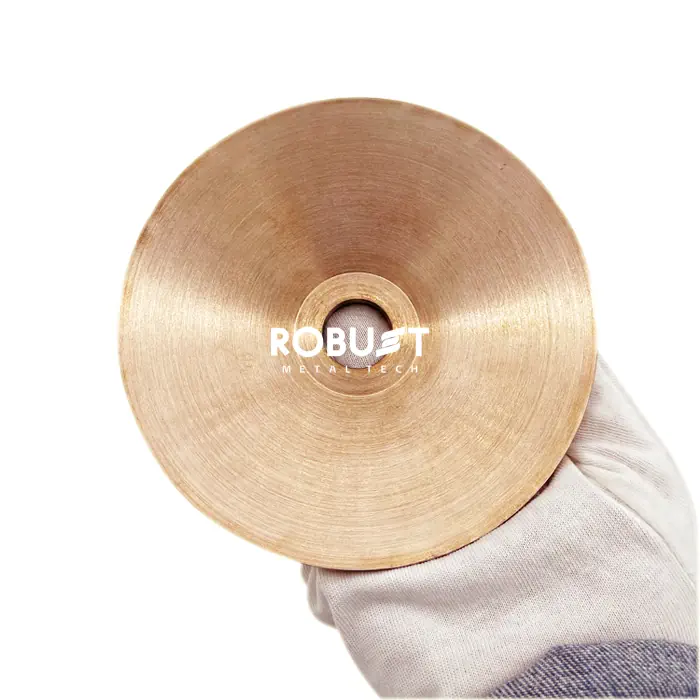
Custom Machining Solutions from Robust Metal
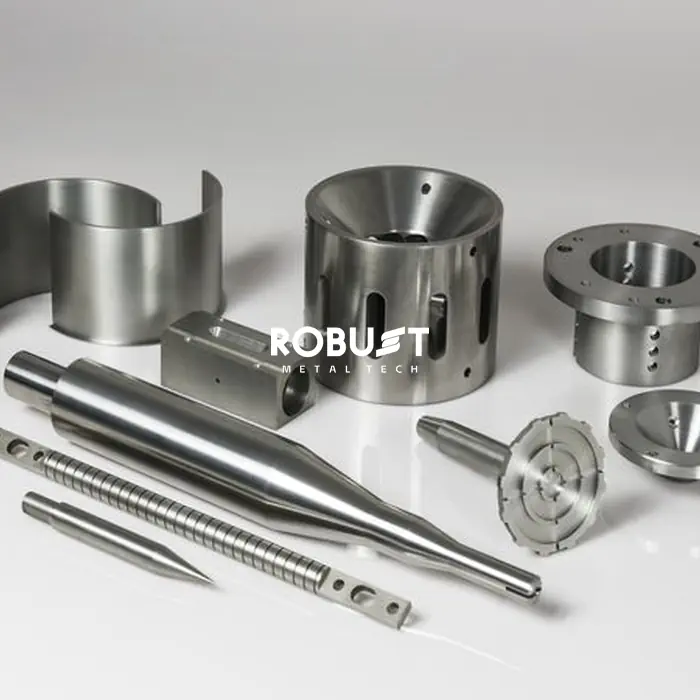
Working with composite metal matrices requires precise powder metallurgy techniques and careful CNC machining.
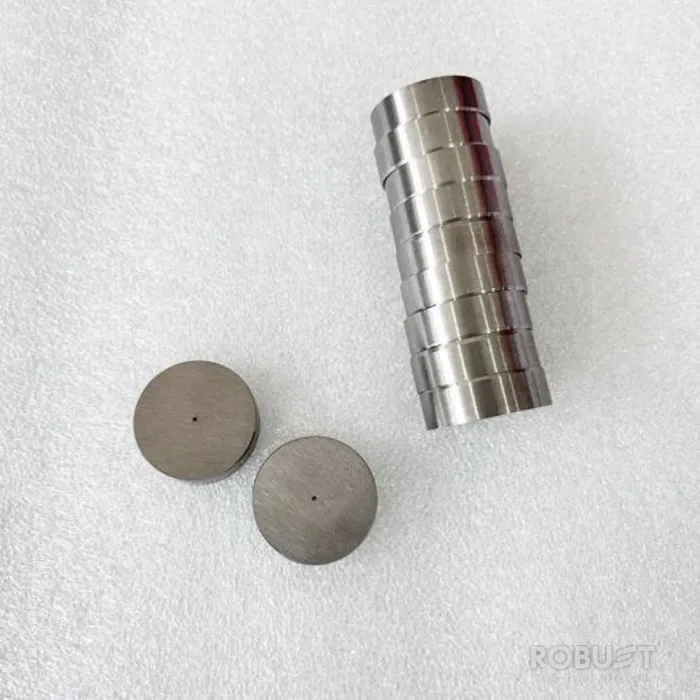
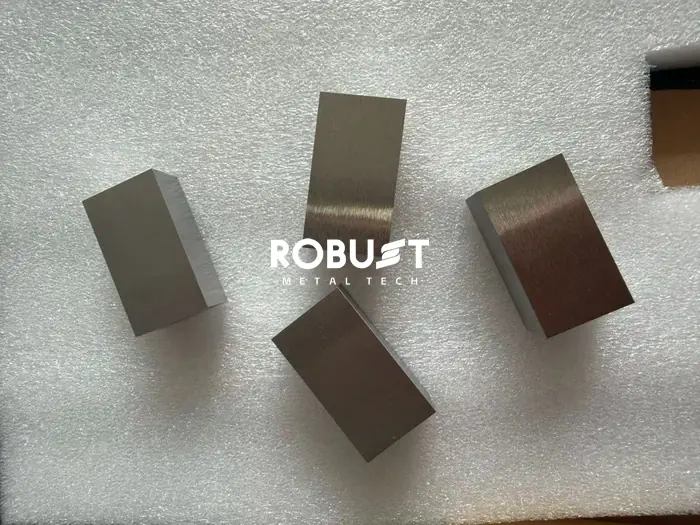
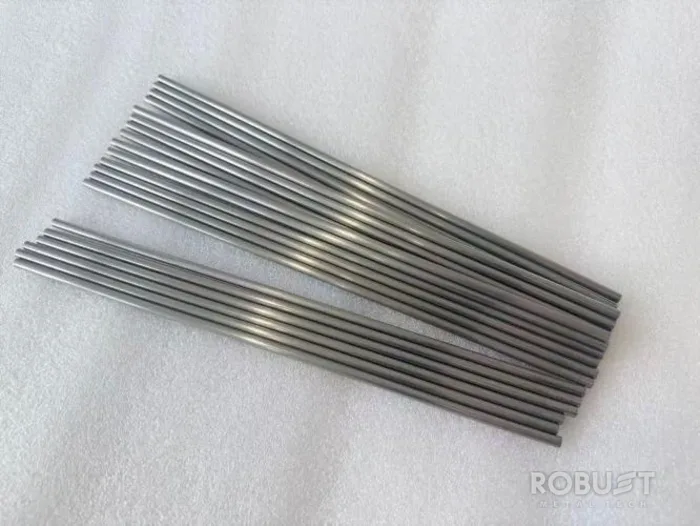
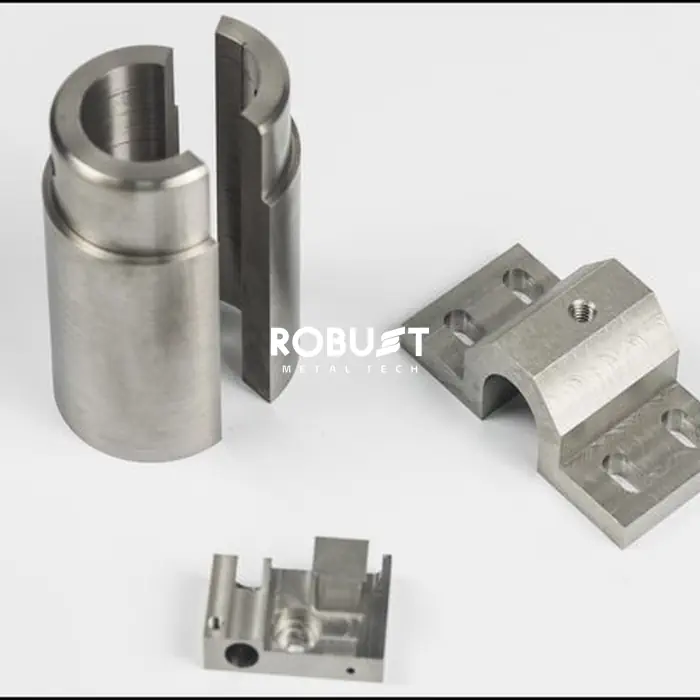
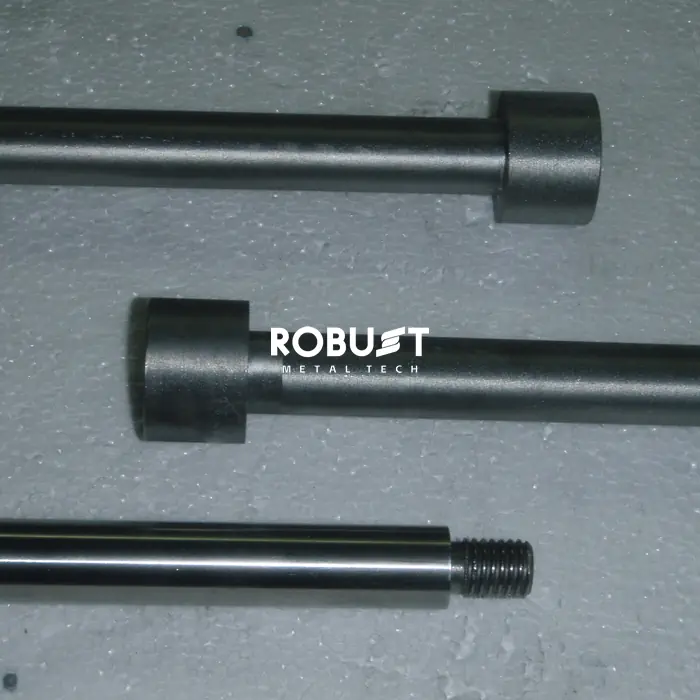
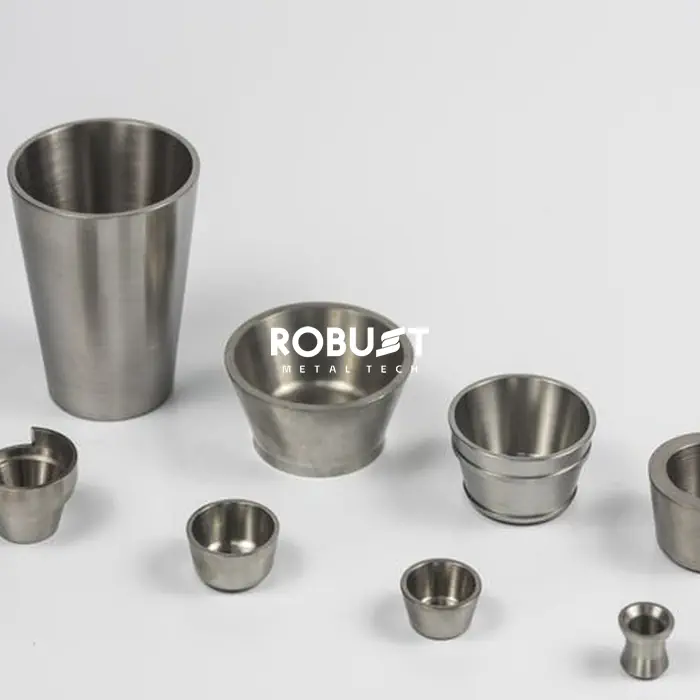
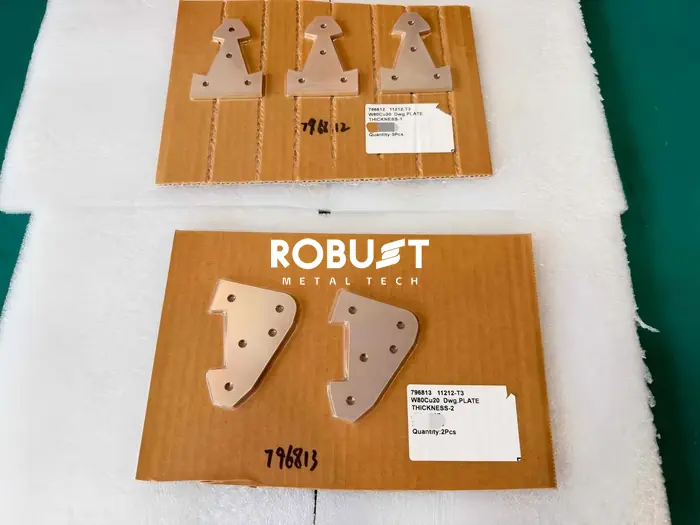
Robust Metal manufactures custom tungsten copper alloy parts tailored to your exact technical blueprints and material ratios.
Whether your application calls for standard 70/30 mixtures or specialized custom blends, our production team maintains consistent density and tight dimensional accuracy across every batch.
We work closely with technical buyers to deliver ready-to-install parts that lower operational risks and extend component working life.
Do not let material wear disrupt your high-power equipment or production schedules.
Submit your project specifications or technical drawings to our team today to receive a complete material evaluation and a fast, direct price estimate.
Send your inquiry to Robust Metal now to discuss your custom component requirements with our technical team.