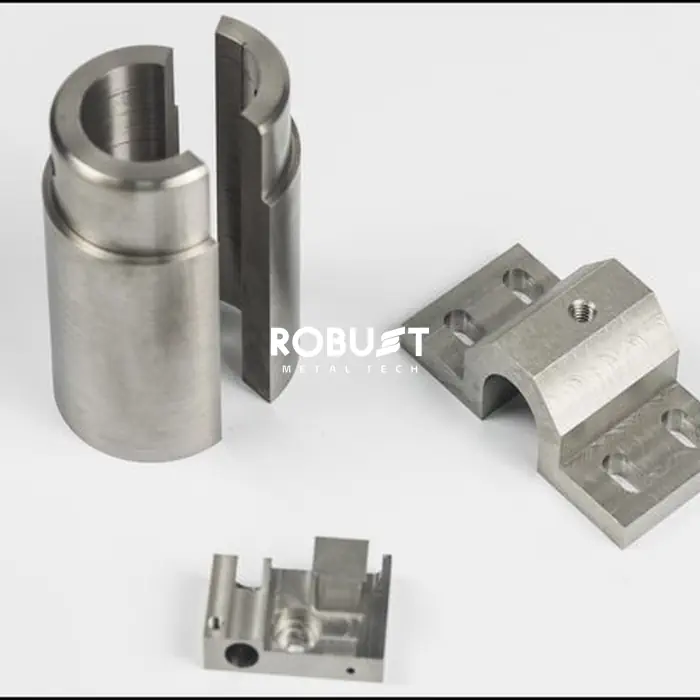
Industrial machines working in extreme conditions need metals that stay solid under severe heat.
When standard metals melt or weaken, engineers turn to pure tungsten and specialized tungsten alloys.
The tungsten melting point is the highest among all pure metals on the periodic table.
This rare material property makes tungsten essential for high-heat industrial parts, vacuum furnace tools, and aerospace engineering.
Knowing how this metal behaves at high temperatures helps production teams choose the right parts for their factory systems.
The Science Behind the High Melting Point of Tungsten
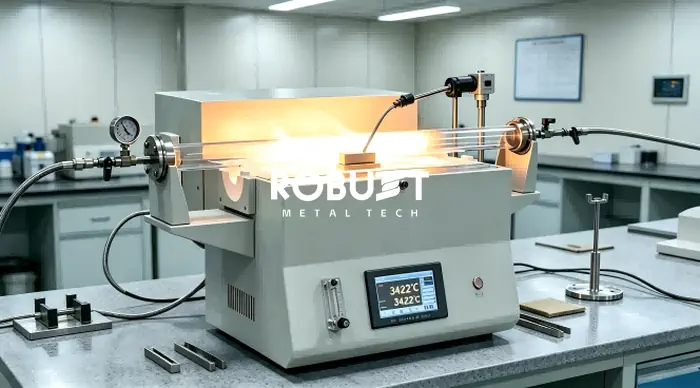
Tungsten has an impressive melting point of 3,422°C (6,192°F).
This unique strength comes from strong atomic bonds within the metal lattice structure.
The strong attraction between atoms requires immense heat energy to break the metal structure down into liquid form.
Beyond heat resistance, tungsten maintains a low rate of heat expansion and a very low vapor pressure.
These features mean Tungsten Parts keep their exact shape and size without shrinking or changing under thermal stress.
Key Industries Relying on High-Heat Tungsten Parts
Many demanding industries depend on tungsten components to prevent factory downtime and equipment breakdown.
High Temperature Vacuum Furnaces
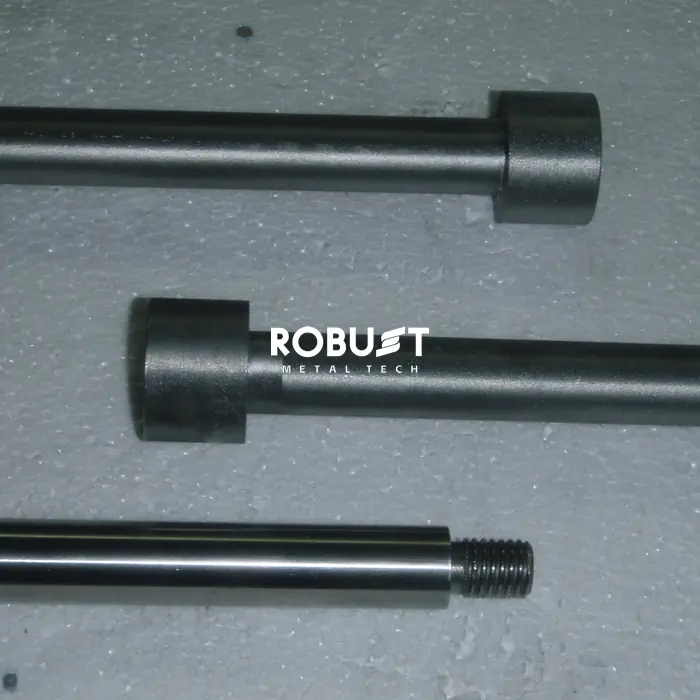
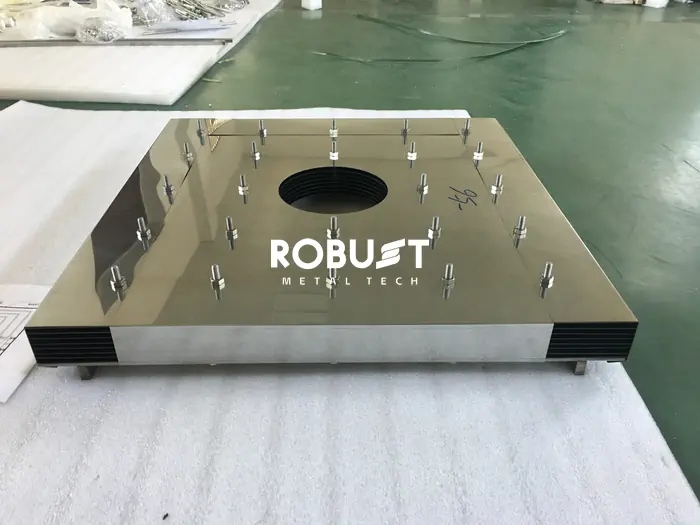
Furnace builders use tungsten heating elements, heat shields, and support rods.
These parts handle intense heating cycles without sagging or warping over long operating hours.
Aerospace and Defense Systems
Rocket nozzles, engine parts, and heat shields require materials that withstand extreme friction and hot exhaust gas.
Tungsten keeps its structural strength where other metals melt away quickly.
Electronics and Semiconductor Manufacturing
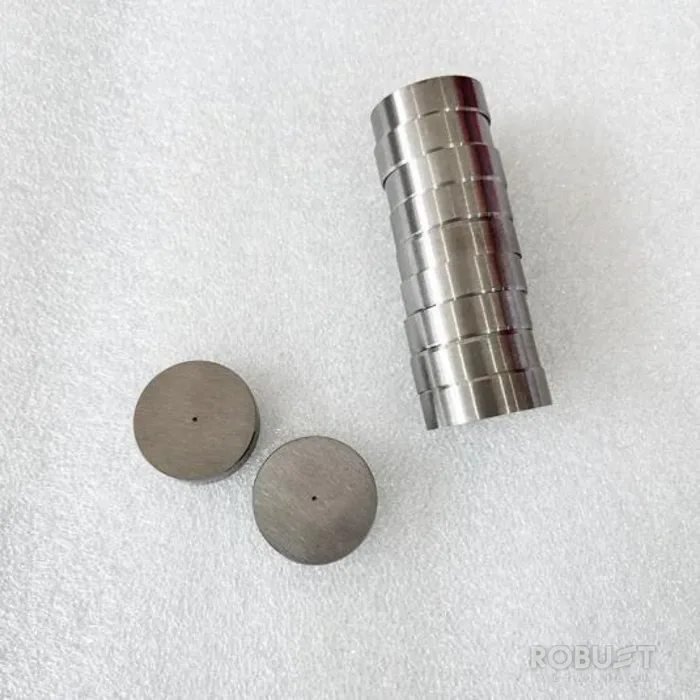
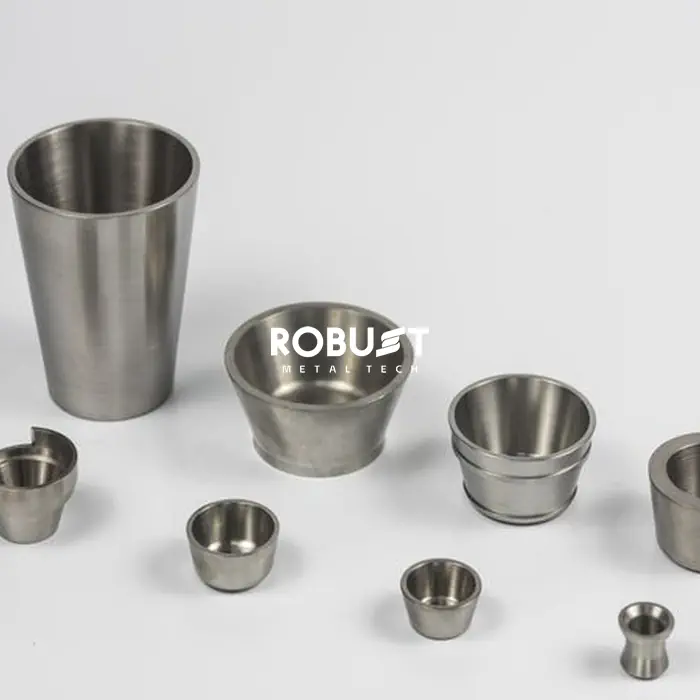
Specialized electronics production uses high-purity Tungsten Targets and ion implantation parts.
The high melting point ensures long part life and consistent heat conductivity during continuous chip production.
Challenges in Processing High-Melt Metals
Working with a metal that has such a high melting point creates unique manufacturing challenges.
Standard casting methods do not work because no regular furnace container can hold liquid tungsten without melting itself.
Instead, manufacturers use advanced powder metallurgy processes.
Fine tungsten powder is pressed into shapes under heavy force and sintered at high temperatures just below the melting point.
This method bonds the metal particles into solid, dense parts ready for exact machining.
Working with an experienced metal maker ensures that final parts have no internal cracks, pockets, or weak spots.
Custom Tungsten Solutions from Robust
Selecting certified tungsten products prevents unexpected system failures and lowers your long-term repair costs.
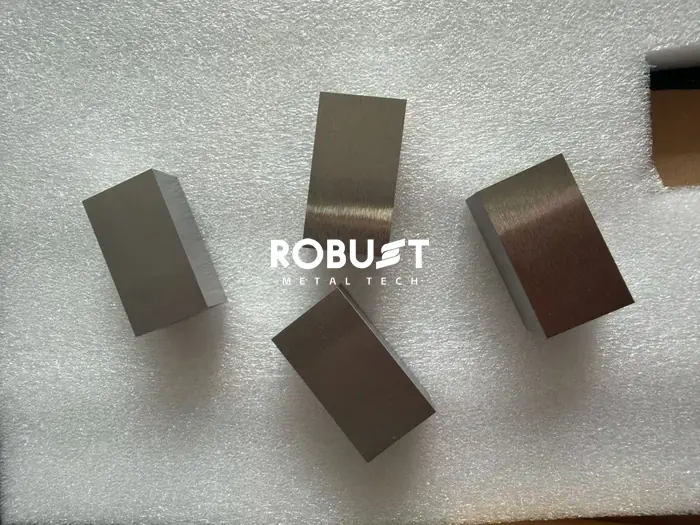
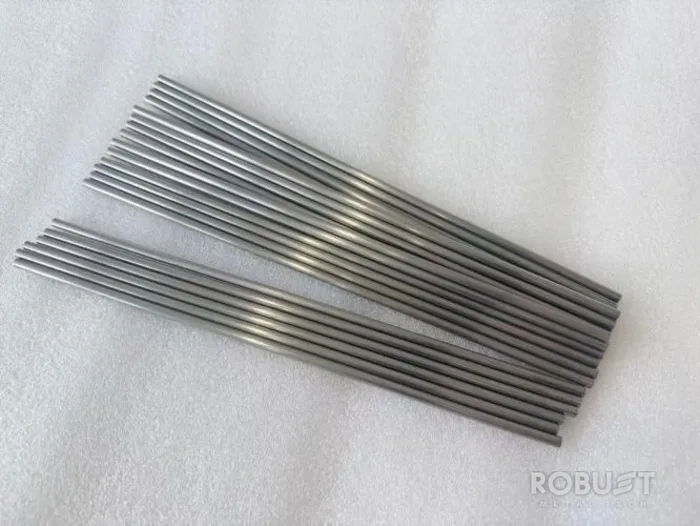
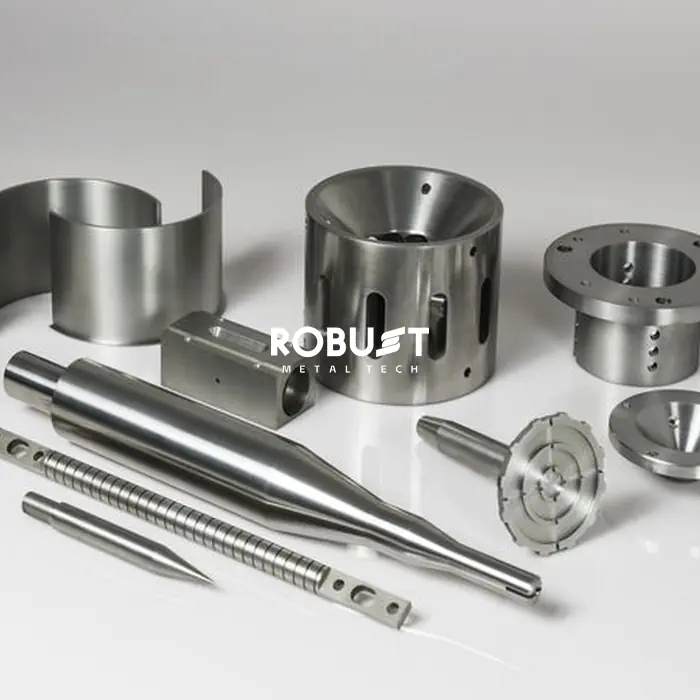
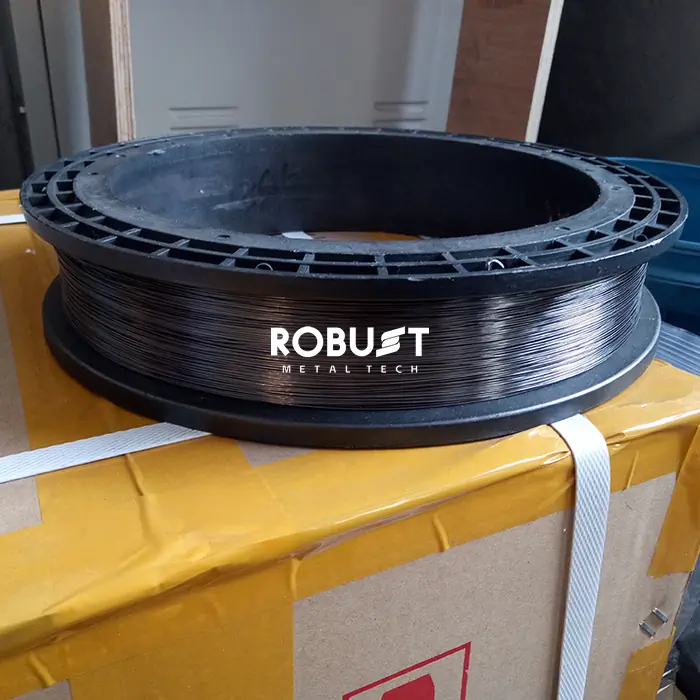
At Robust, we manufacture top-quality Tungsten Plates, rods, wires, and custom machined parts built for extreme thermal jobs.
Our production facility follows strict density tests and quality control standards to deliver pure, reliable materials every time.
We work directly with your engineering drawings to supply exact parts tailored to your specific furnace or industrial equipment.
Our technical support team helps you select the correct purity levels, alloy mixes, and physical dimensions for your project.
Avoid project delays and protect your machinery from heat damage with proven refractory metal solutions.
Send your technical drawings or project details to our team today to get a fast quote and technical advice for your order.
Contact Robust today to send your inquiry and get high quality tungsten parts for your business.