




 View Product ↗
01
Product Description
Technical details, material information and manufacturing notes for this product.
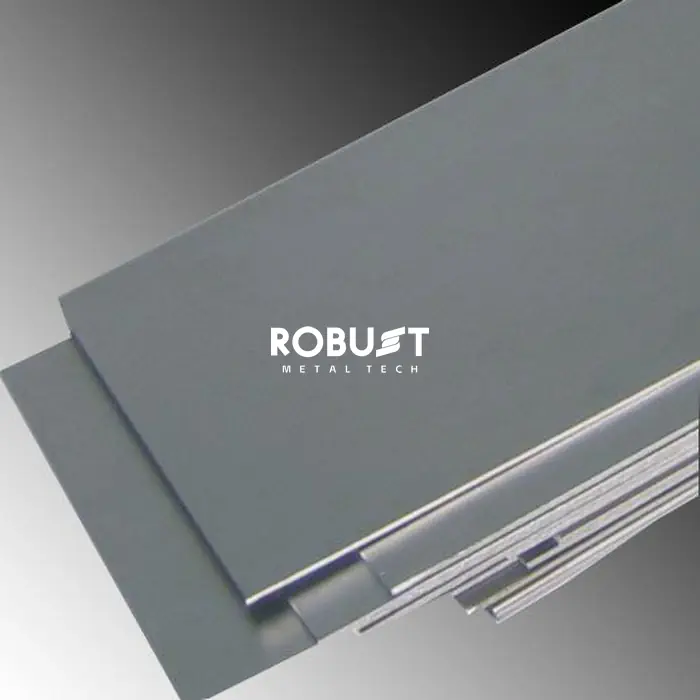
Molybdenum Plate Overview
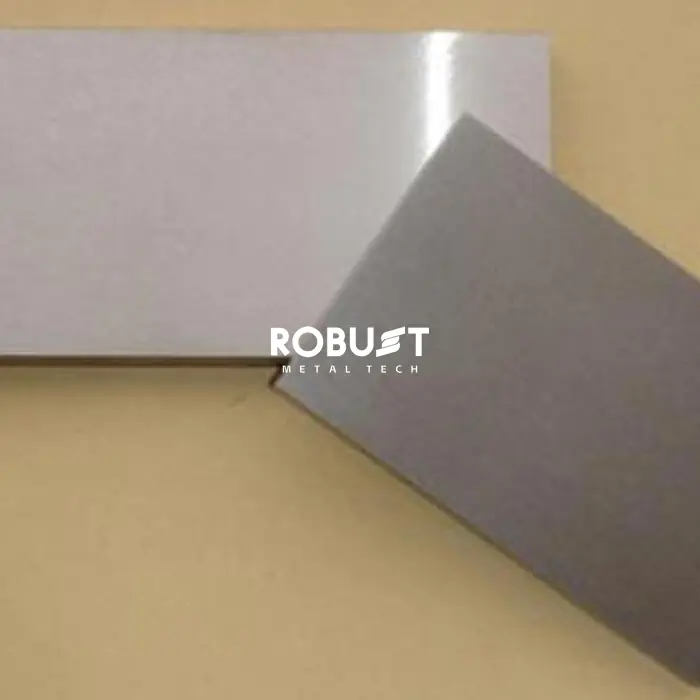
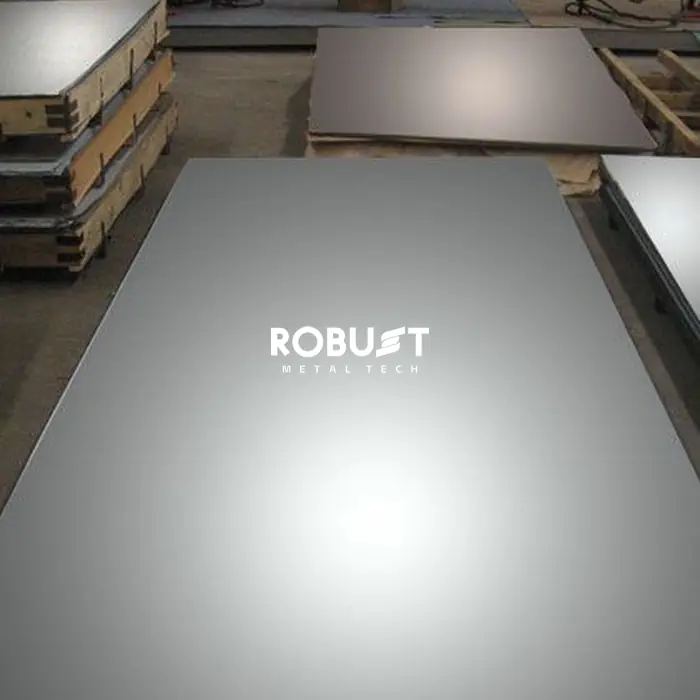
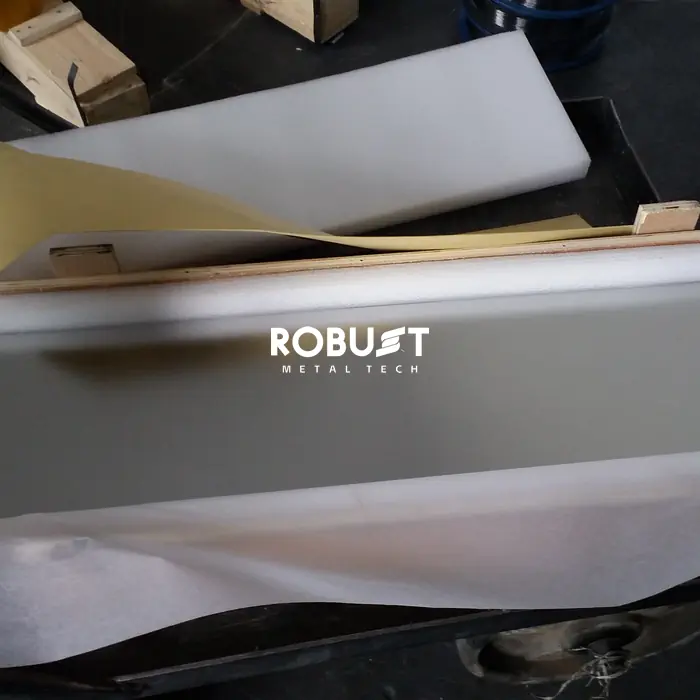
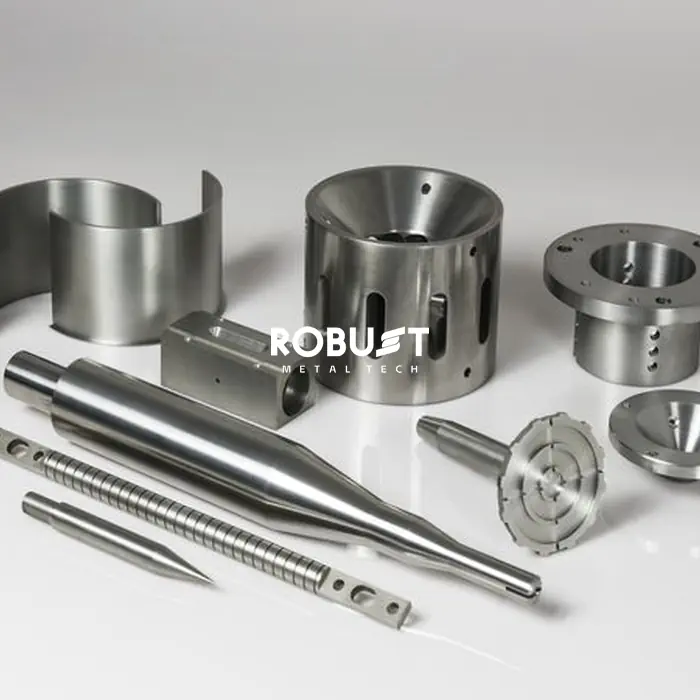
Molybdenum plates are the heavy-duty counterparts to molybdenum hooks, serving as the structural backbone for high-heat and vacuum environments.
Because they are often the most expensive component in a furnace or reactor build, buyers focus heavily on material grade and certification.
1. Primary Applications
Heat Shielding: Large plates are used as reflective insulation in vacuum furnaces to contain heat and protect the outer steel casing.
Electronics/Semiconductors: Used as heat sinks and sputtering targets due to their excellent thermal conductivity and high purity.
Medical Technology: Utilized as radiation shielding for X-ray equipment and as components in rotating anodes for X-ray tubes.
Aerospace: High-strength structural parts for rocket nozzles and engine exhaust cones.
2. Standard Grades & Alloys
When sourcing plates, you will likely choose between these three varieties:
Grade | Composition | Key Benefit |
Pure Moly | 99.95% Mo | Most cost-effective; best for non-structural shielding. |
TZM Alloy | Mo + 0.5% Ti + 0.08% Zr | Twice the strength of pure Moly at 1,300°C; resists sagging. |
Mo-La | Mo + Lanthanum Oxide | Stays ductile after high-heat cycles; won't snap easily when handled after use. |
3. Technical Specifications
Commodity
·
Commodity | Purity | Density | Specification | |
Molybdenum Plate | Pure Mo | ≥99.95% | ≥10.2g/cm³ | (2-40)mm*550mm (max)*1500mm(max) |
Mo-La | ≥99.9% | ≥10.2g/cm³ | ||
Doped with Ti/Zr | ≥99.9% | ≥10.2g/cm³ | ||
02
Image Gallery
Additional product views, manufacturing details and application references.
04
Related Technical Resources
Material guides, application notes and manufacturing knowledge from ROBUST.
05