 View Product ↗
01
Product Description
Technical details, material information and manufacturing notes for this product.
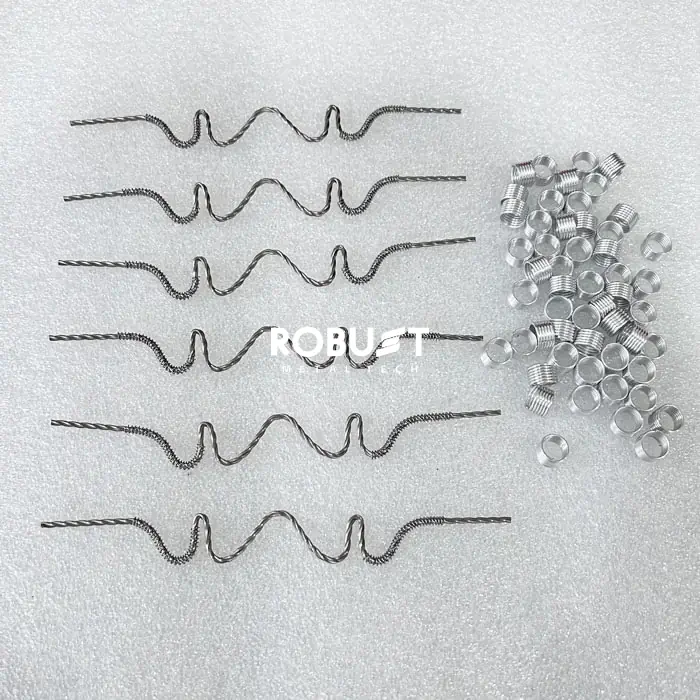
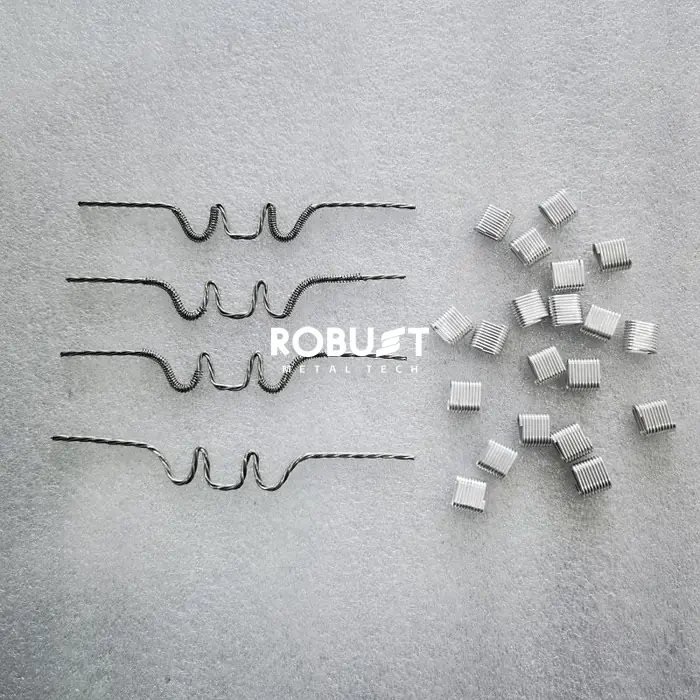
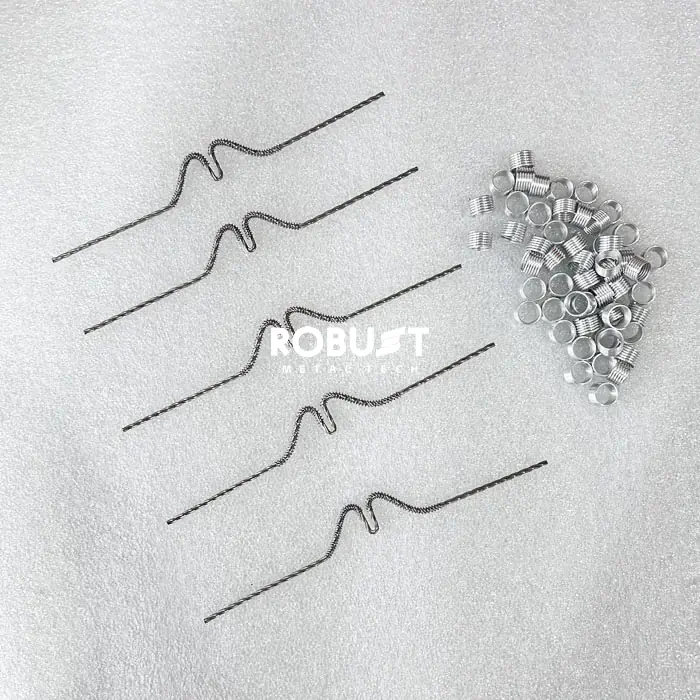
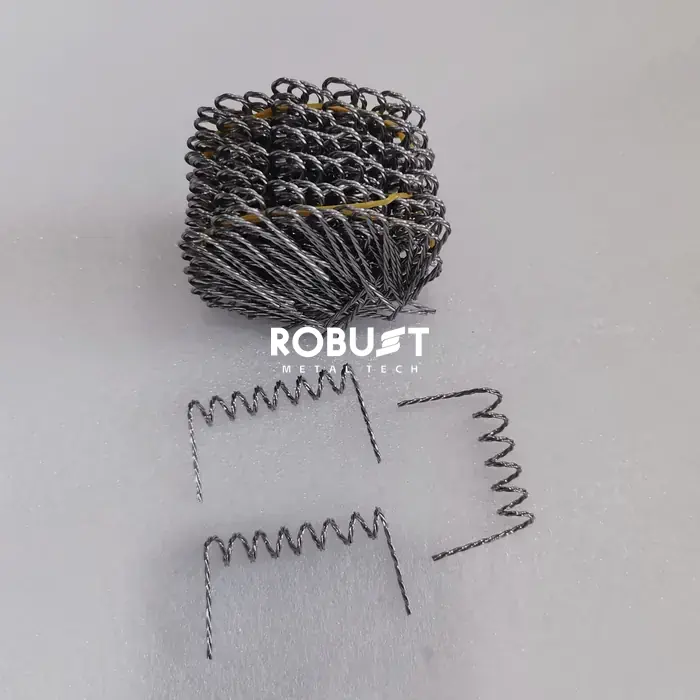
1. Why Twist Tungsten Wire? Structural Advantages
Single-strand tungsten wire can become brittle and limited under extreme heat conditions.
Twisting multiple strands provides four key engineering advantages:
Capillary Effect (Liquid Retention)
Molten low-melting-point metals such as aluminum are held within twisted valleys of the filament.
This allows controlled evaporation instead of dripping.
Larger Surface Area
Stranding multiple wires significantly increases surface area compared to a single wire.
This improves thermal radiation efficiency and evaporation capacity.
Enhanced Thermal Uniformity
Current distribution becomes more balanced across strands.
This reduces hot spots and improves filament stability.
Superior Mechanical Flexibility
Twisted structure distributes stress more evenly.
It allows safe bending, coiling, and shaping into heating geometries.
2. Common Stranded Configurations
Twisted Tungsten Wire is classified by strand count and wire diameter.
2-Strand (2-Ply): Balanced flexibility with deep capillary grooves.
3-Strand (3-Ply): Stable triangular structure with strong liquid retention.
4-Strand to 9-Strand+: Heavy-duty evaporation and heating element applications.
RFQ Example: 3-Strand x 0.76mm means three wires of 0.76mm diameter twisted into one filament.
3. Primary Applications
| Industry / Process | Application |
| Vacuum Metallization (Coating) | Used in thermal evaporation chambers for coating automotive trims, mirrors, packaging films, and decorative surfaces. |
| Semiconductor & Optics | Used for thin-film deposition on glass lenses, optical coatings, and electronic substrates. |
| High-Temperature Furnaces | Used as mesh heating elements operating above 2000°C under vacuum or protective gas environments. |
02
Image Gallery
Additional product views, manufacturing details and application references.
04
Related Technical Resources
Material guides, application notes and manufacturing knowledge from ROBUST.
05