 View Product ↗
01
Product Description
Technical details, material information and manufacturing notes for this product.
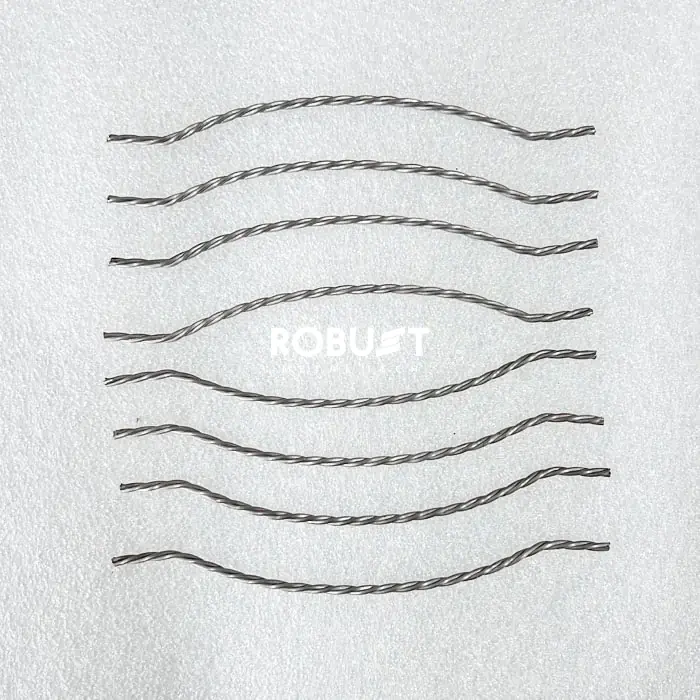
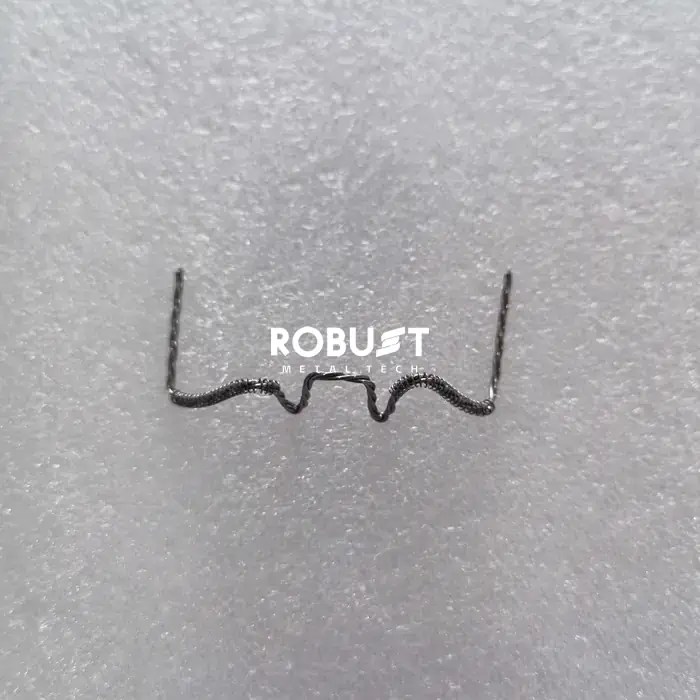
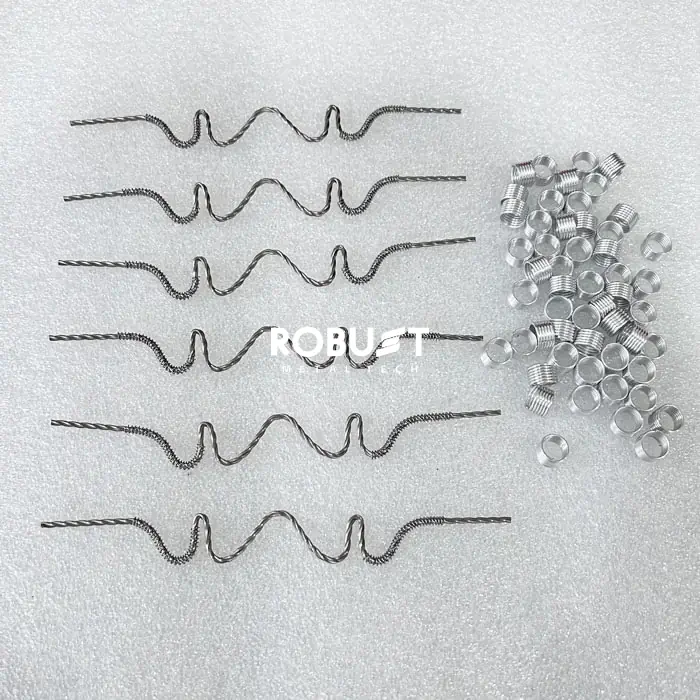
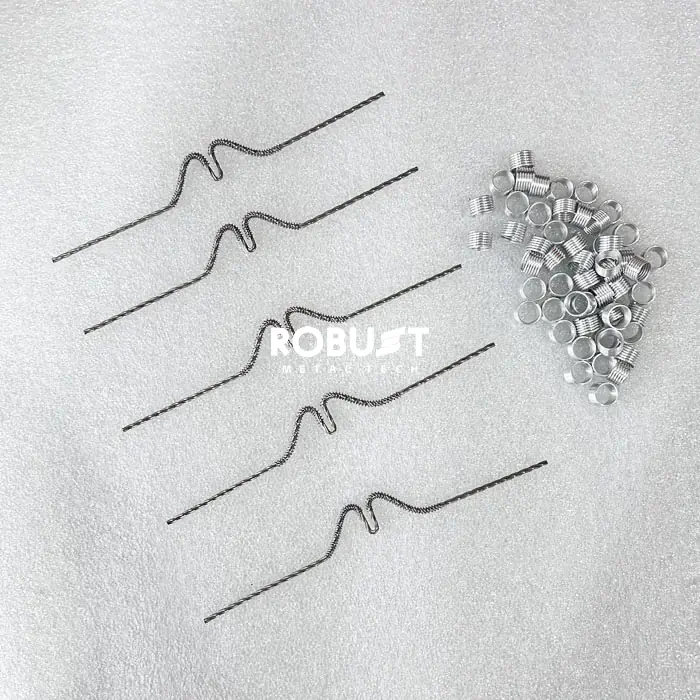
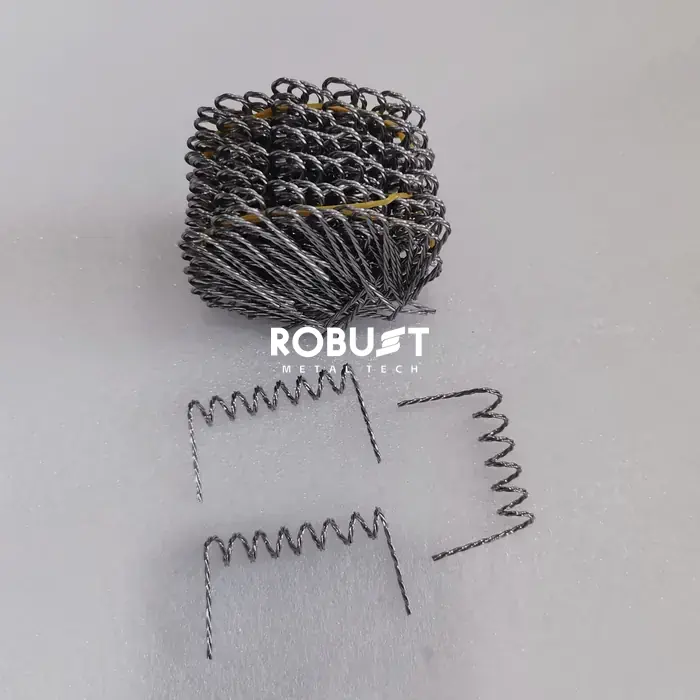
Thermal Evaporation Tungsten Filament
Tungsten Wire For Vacuum Metalizing or metalization (also known as stranded or braided tungsten wire) consists of two or more individual strands of tungsten wire precisely wrapped around each other to form a unified, heavy-duty cord.
While individual tungsten wires are highly effective for fine electronics and testing probes, twisting multiple strands together unlocks distinct mechanical and thermal advantages.
This configuration is th
1. Why Twist Tungsten Wire? (The Structural Advantages)
Single-strand tungsten wire can become notoriously brittle and limited in capacity when exposed to intense heat.
Twisting multiple strands yields four critical engineering benefits:
The Capillary Effect (Liquid Retention)
When used in vacuum deposition, a lower-melting-point metal (like aluminum) is hung on the tungsten filament.
When heated, that metal melts into a liquid.
A single smooth wire would cause the molten metal to drip off instantly.
The twisted "valleys" between the strands act like a sponge, using capillary action to hold the liquid metal in place so it can cleanly evaporate.
Larger Surface Area
Stranding multiple fine wires together creates a significantly higher surface area than a single thick wire of equal total diameter.
This maximizes thermal radiation and increases the amount of evaporant material the wire can hold.
Enhanced Thermal Uniformity
The interlocking strand matrix distributes electric current more evenly.
This prevents localized "hot spots" that cause premature filament burnouts.
Superior Mechanical Flexibility
Pure tungsten is highly brittle at room temperature.
A twisted wire structure redistributes physical stress.
It can be bent, coiled, and shaped into complex heating geometries more safely than a single rigid rod.
2. Common Stranded Configurations
Suppliers categorize Twisted Tungsten Wire by the number of strands (plies) and the individual wire diameters.
2-Strand (2-Ply): Two wires twisted together. Offers a balance of flexibility and a deep capillary groove.
3-Strand (3-Ply): Highly stable triangular cross-section; excellent liquid retention.
4-Strand to 9-Strand+: Used for heavy-duty industrial evaporation or wrapped around a thick central core rod to create massive heating elements.
Specifying Example: 3-Strand x 0.76mm means three individual wires, each 0.76 mm in diameter, twisted into a single rope.
3. Primary Applications
| Industry / Process | How Twisted Wire is Used |
| Vacuum Metallization (Coating) | Core heating filament in thermal evaporation chambers used for coating plastics, mirrors, automotive trims, and packaging films with thin metal layers. |
| Semiconductor & Optics | Used for depositing thin metallic contact layers onto glass lenses, anti-reflective coatings, and electronic substrates. |
| High-Temperature Furnaces | Stranded tungsten wire is formed into mesh heating elements operating under vacuum or protective gas at temperatures above 2000°C. |
02
Image Gallery
Additional product views, manufacturing details and application references.
04
Related Technical Resources
Material guides, application notes and manufacturing knowledge from ROBUST.
05