 View Product ↗
01
Product Description
Technical details, material information and manufacturing notes for this product.
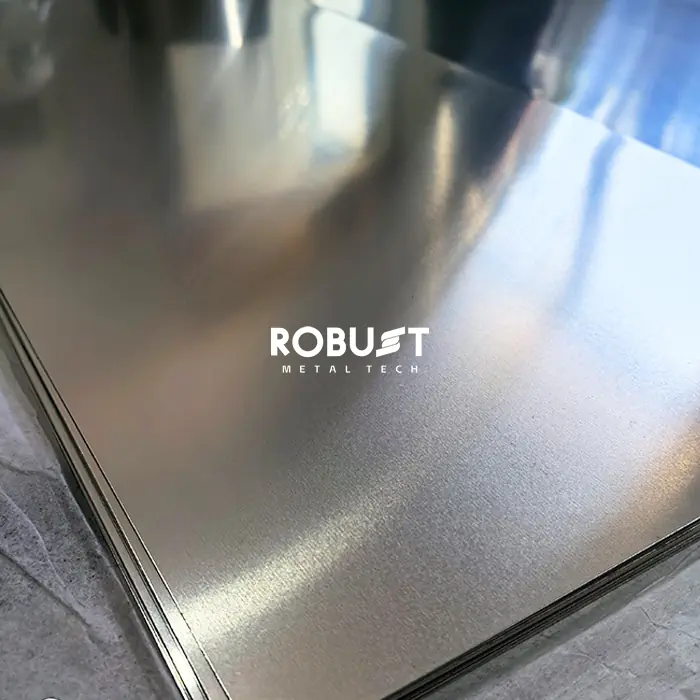
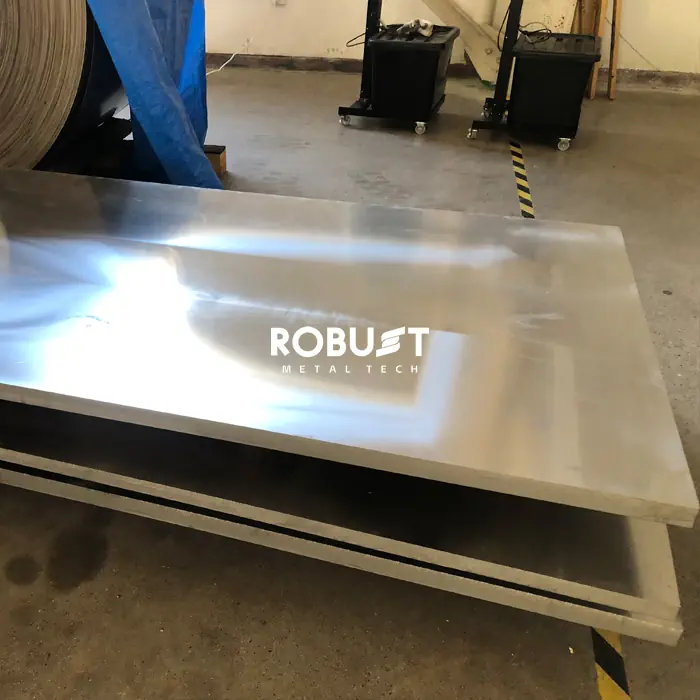
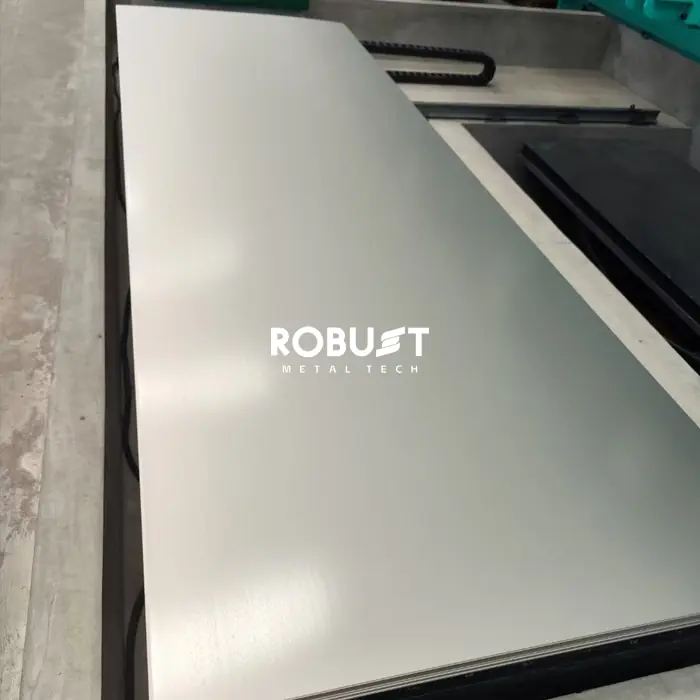
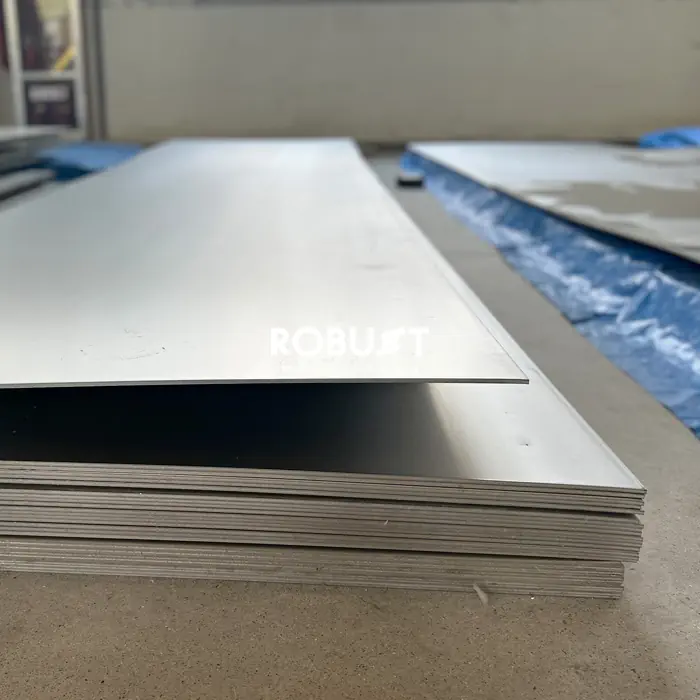
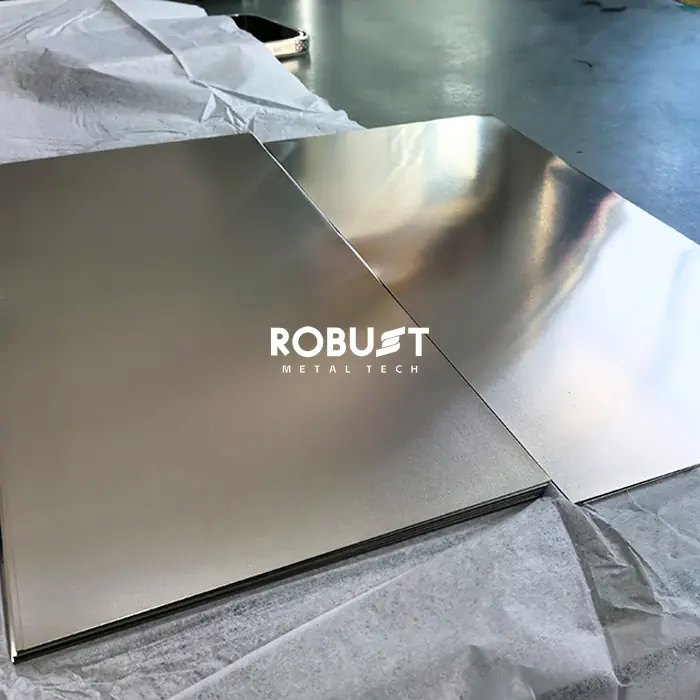
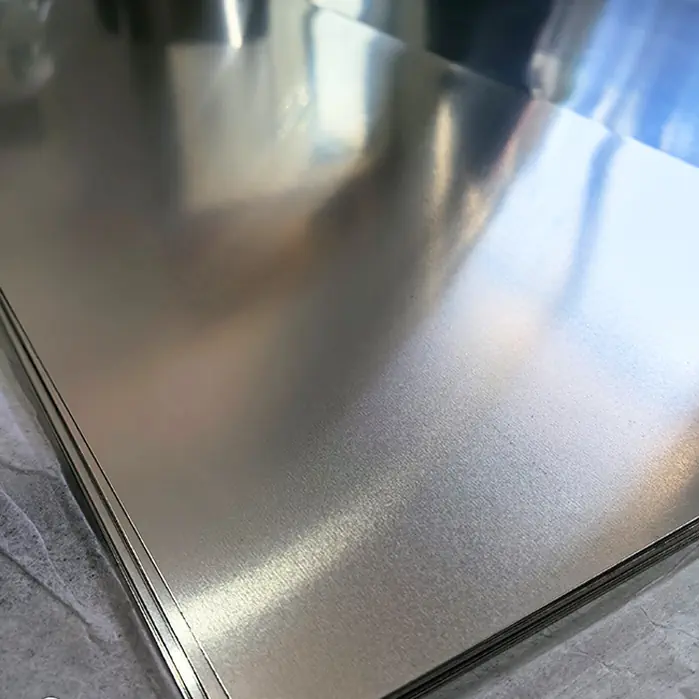
Titanium plate is a high-strength, low-density structural material known for its exceptional corrosion resistance and biocompatibility. Titanium plates are typically produced from chemically pure titanium or specific titanium alloys (like Ti-6Al-4V) through vacuum melting, forging, and rolling processes.
Because titanium forms a stable, protective oxide layer instantly upon exposure to air, it is the premier choice for environments ranging from deep-sea exploration to human bone replacement.
Titanium plate processing technology:
Cutting: Waterjet cutting is the preferred method because it does not create a Heat Affected Zone (HAZ). Plasma cutting can be used but requires significant edge grinding afterward to remove contaminated metal.
Welding: Large plates require multi-pass welding. Maintaining a perfect Argon gas shield (purging) is essential to prevent the weld from becoming brittle.
Machining: Because plates are often used as "blanks," they are frequently milled down. This produces a high volume of titanium "chips," which are flammable and must be managed carefully.
1. Common Grades & Specifications
Buyers select titanium grades based on the balance between "Formability" (Pure Grades) and "Mechanical Strength" (Alloyed Grades).
Grade | Type | Composition | ASTM Standard | Primary Use Case |
Grade 1 | CP (Pure) | Low Oxygen | ASTM B265 | Deep drawing, heat exchangers (highest ductility) |
Grade 2 | CP (Pure) | Standard Oxygen | ASTM B265 | Chemical processing, desalination (most common) |
Grade 5 | Alloy | Ti-6Al-4V | ASTM B265 / F136 | Aerospace components, surgical implants |
Grade 7 | Alloy | Ti-0.2Pd | ASTM B265 | Extreme acidic environments (Palladium enhanced) |
Grade 23 | Alloy | Ti-6Al-4V ELI | ASTM F136 | Medical staples, orthopedic pins (extra-low interstitials) |
2. Available Product Forms & Dimensions
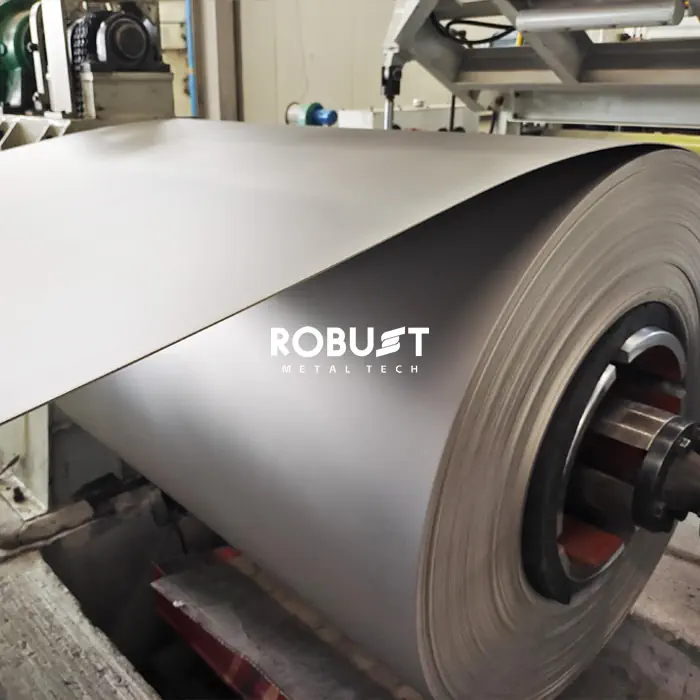
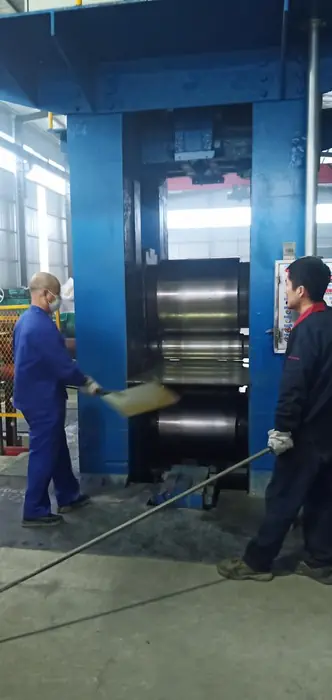
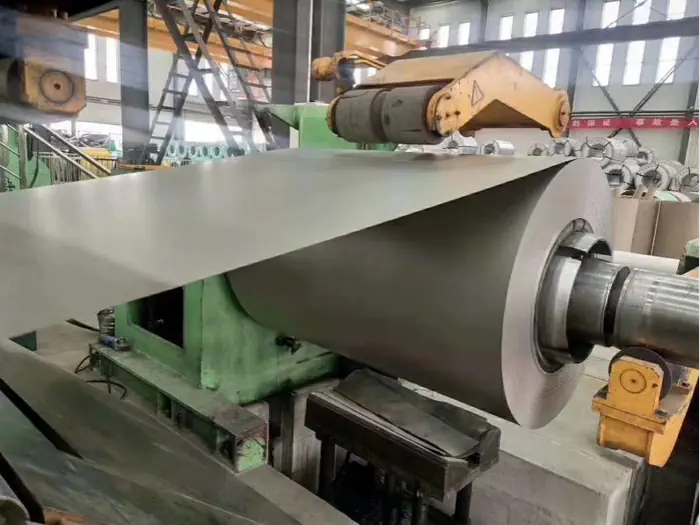
Titanium plates are processed via hot-rolling or cold-rolling and are often supplied in annealed condition to relieve internal stress.
Product Form | Typical Thickness | Typical Dimensions | Common Finish |
Thin Sheet | 0.5 mm to 4.0 mm | 1000 mm x 2000 mm | Cold Rolled, Pickled, or Bright |
Medium Plate | 4.1 mm to 20 mm | 2000 mm x 6000 mm | Hot Rolled, Sandblasted |
Thick Plate | 20 mm to 100 mm | Custom Cut-to-size | Machined or Forged Surface |
Perforated Plate | 1 mm to 5 mm | Per Blueprint | Waterjet Cut / Punched |
3. Physical Properties
Grade | Density (g/cm3) | Tensile Strength (MPa) | Yield Strength (MPa) | Elongation (%) |
Grade 1 | 4.51 | 240 | 170 | 24% |
Grade 2 | 4.51 | 345 | 275 | 20% |
Grade 5 | 4.43 | 895 | 825 | 10% |
Grade 23 | 4.43 | 860 | 795 | 10% |
02
Image Gallery
Additional product views, manufacturing details and application references.
04
Related Technical Resources
Material guides, application notes and manufacturing knowledge from ROBUST.
05